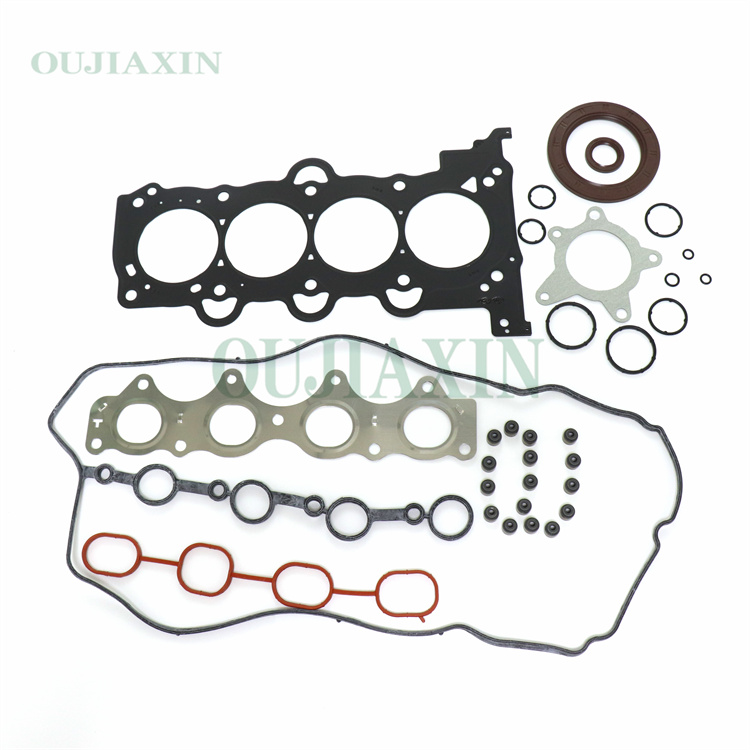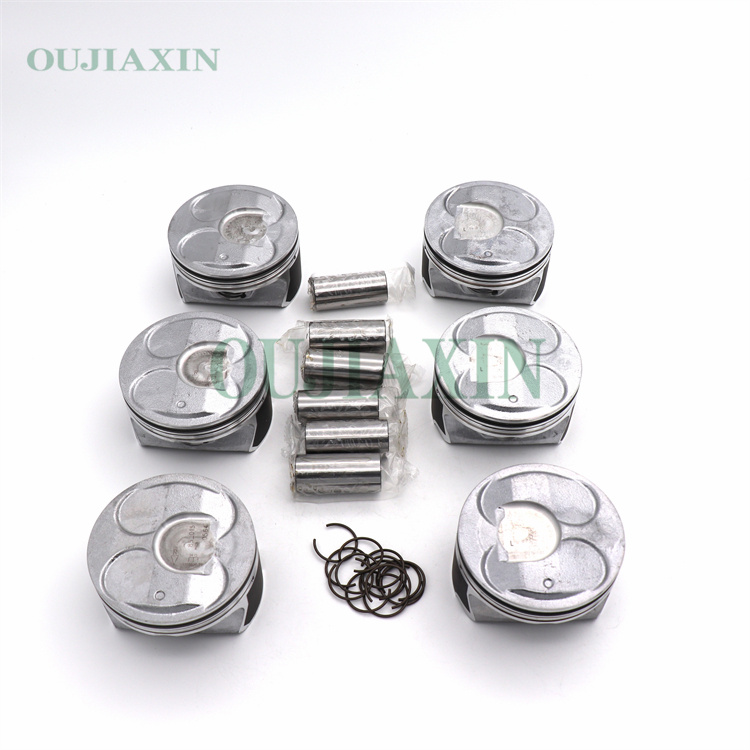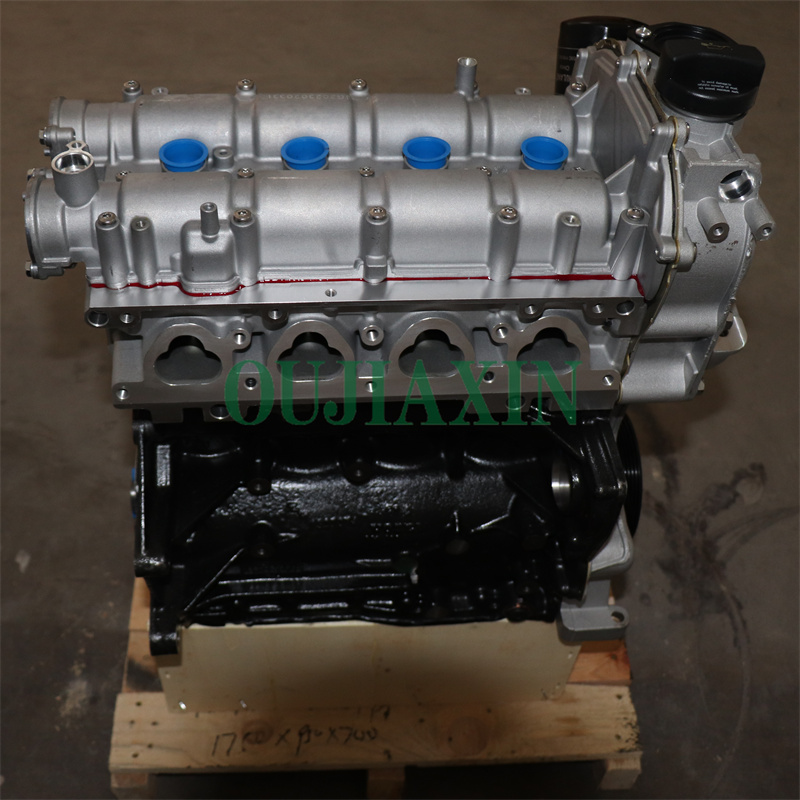
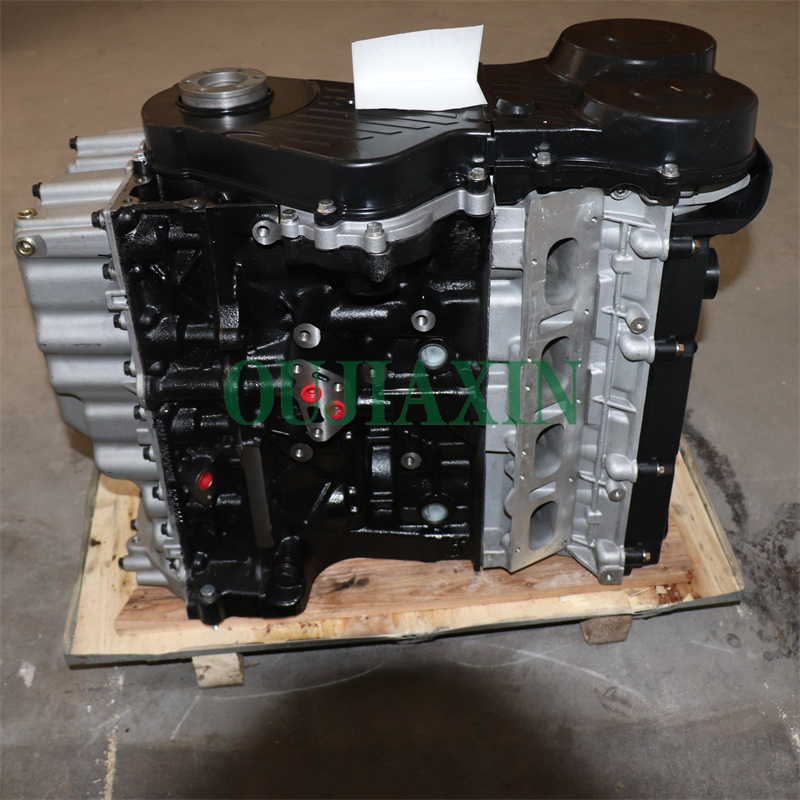
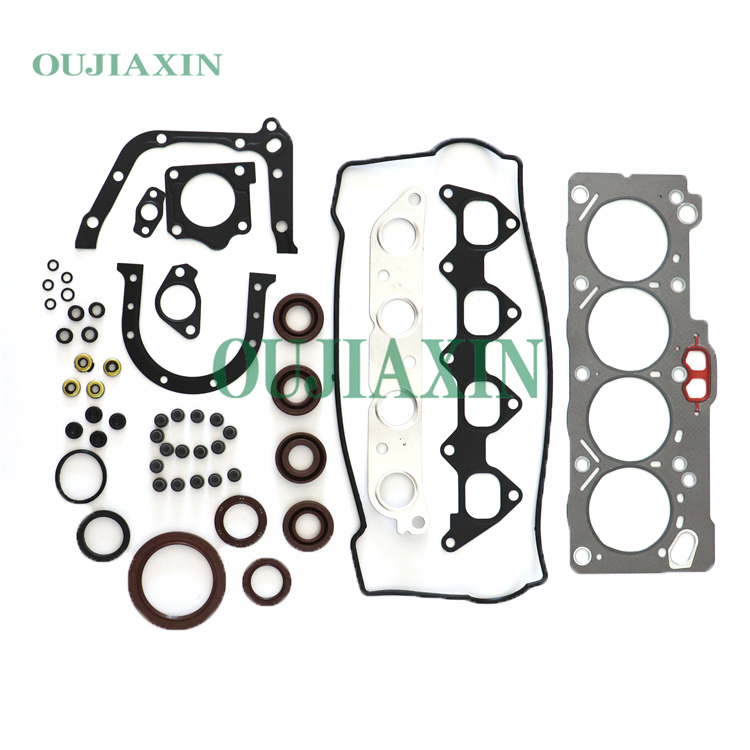
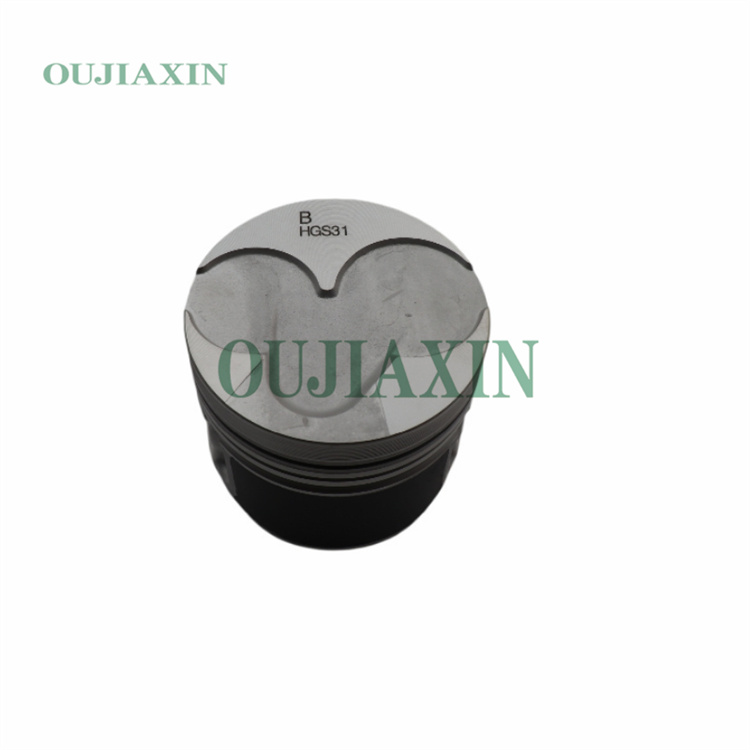
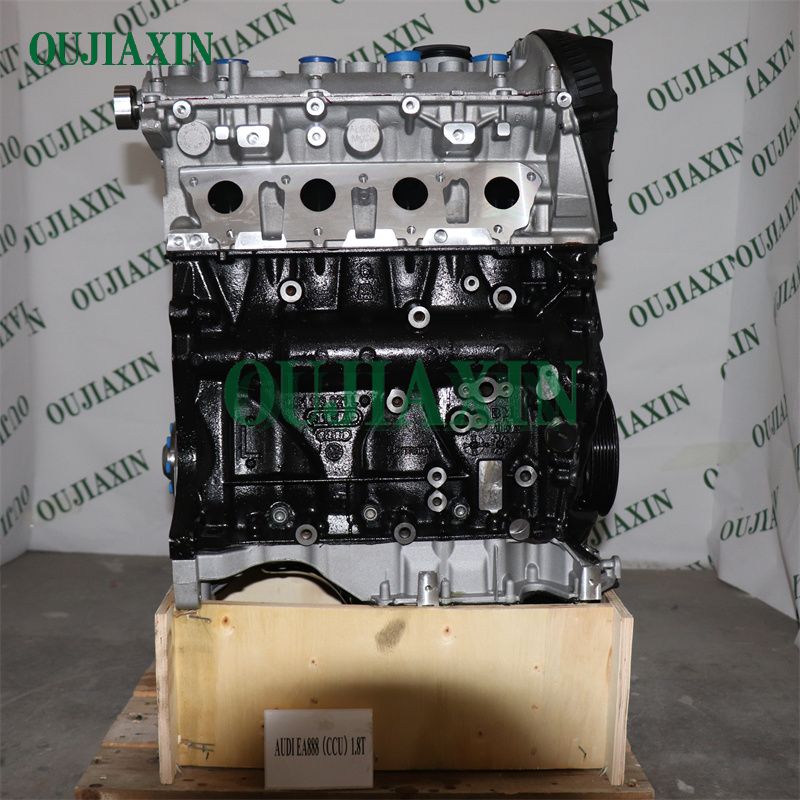
New Zealand's unique geography, characterized by steep mountainous terrains and coastal salt-air exposure, places extreme stress on important parts of car engine. The frequent acceleration and deceleration required for alpine driving lead to higher thermal cycles and mechanical fatigue in engine internals.
In the local market, there is a strong reliance on durable diesel and petrol engines for both tourism and agriculture. This creates a consistent demand for a high-quality car connecting rod that can handle high torque loads without risking structural failure during heavy-duty towing or off-roading.
Moreover, the New Zealand automotive sector is shifting towards stricter emission standards and higher efficiency. This transition necessitates the use of advanced con rod material that minimizes reciprocating mass while maximizing tensile strength to improve overall fuel economy.