Honestly, things have been moving fast this year. Everyone's talking about miniaturization, right? And higher voltage. Seems like every engineer wants to cram more power into a smaller space. It’s a bit nerve-wracking, to be honest. You spend all day making sure things don't explode… But hey, that’s progress, I guess.
We’ve been doing a lot of work on engine assembly, specifically the components for high-performance applications. It's not just about bigger engines anymore, it's about efficient engines. And that’s where the real challenges lie. You wouldn’t believe how many people design these things without ever having spent a day on a factory floor. They design something that looks perfect on CAD, then you try to build it… and it’s a disaster.
I saw a design last month where the tolerances were so tight, you needed a microscope and a surgeon's steady hand to assemble it. Seriously. The foreman almost had a breakdown.
The Current Landscape of Engine Assembly
To be honest, the biggest thing I've noticed lately is the push for more sustainable materials. Everyone's talking about reducing their carbon footprint. It's good, of course, but it adds another layer of complexity. Finding materials that can withstand the stresses of a high-performance engine and are also environmentally friendly... it’s a challenge.
And then there's the whole automation thing. More and more factories are investing in robotic assembly lines. It increases efficiency, sure, but it also means you need engineers who understand both mechanical design and programming. It’s a whole different skillset.
Common Design Pitfalls in Engine Assembly
Have you noticed how many designers forget about accessibility? They design these incredibly complex assemblies, but then make it nearly impossible to get a wrench in there to tighten a bolt. It drives the mechanics crazy. They end up having to modify tools just to get the job done. It’s a classic.
Another big one is underestimating the impact of thermal expansion. Metals expand and contract with temperature changes, and if you don't account for that in your design, things will warp and fail. I encountered this at a gearbox factory last time, and it was a mess. The whole line was down for a week.
And don’t even get me started on vibration. Engine assemblies are constantly vibrating, and if you don't design to dampen those vibrations, you'll end up with premature wear and tear.
Materials We’re Working With
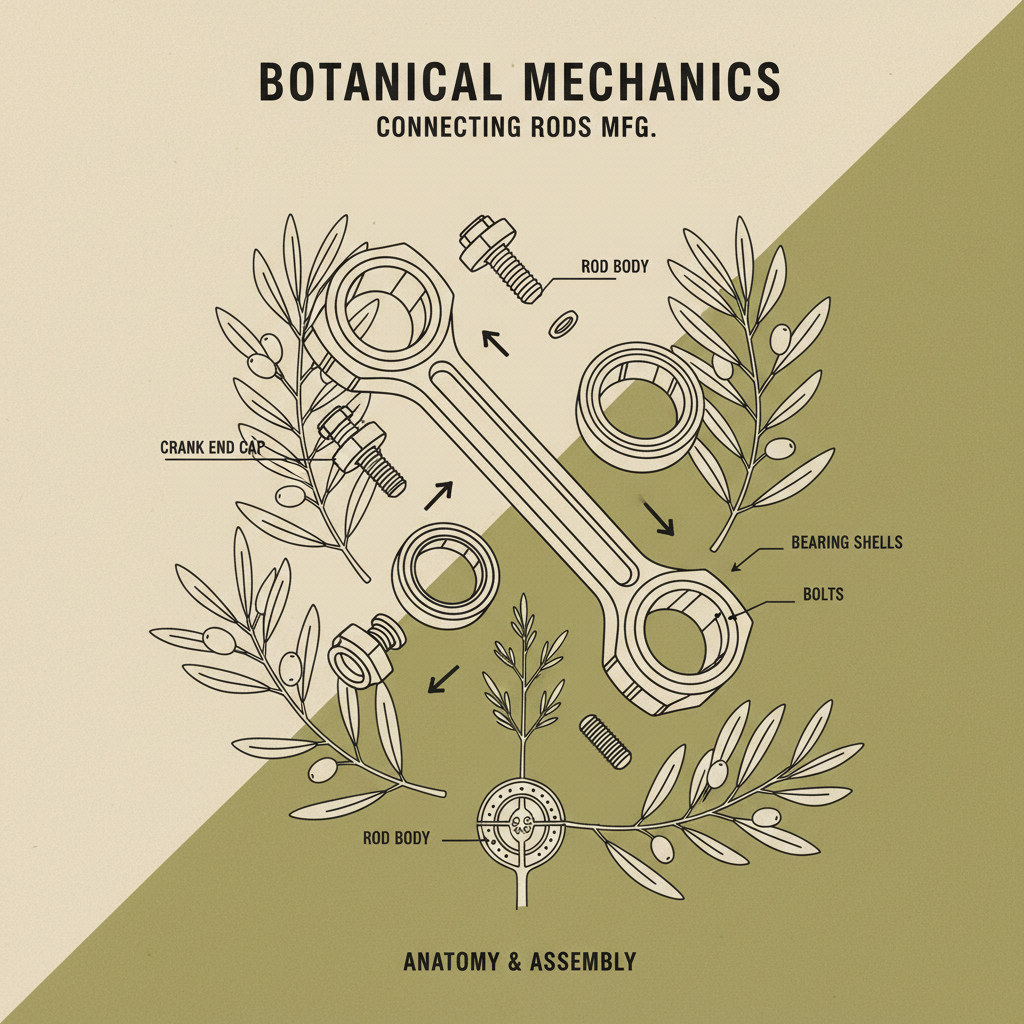
We use a lot of high-strength alloys, obviously. Mostly 4340 steel for the crankshafts and connecting rods. It’s got a nice feel to it, solid and heavy. You can smell the machining oil on it, even after it's been cleaned. We’re also using more titanium alloys for lighter components. Titanium’s a bit trickier to work with, though. It gets hot quickly when you machine it, and you need special coolants.
We’ve also been experimenting with some ceramic composites for valve components. They’re incredibly hard and lightweight, but they’re also brittle. Getting the right balance between strength and durability is the key. And the dust… the ceramic dust gets everywhere. You need a full respirator to work with that stuff.
Surprisingly, we’re also using more polymers these days, for seals and gaskets. They're constantly improving the heat resistance and chemical compatibility of these materials. They don’t have the same heft as metal, but they're essential for a good seal.
Real-World Testing & Validation
Forget the lab tests. Those are useful for initial screening, but the real test is on the dyno. That’s where you really push the engine to its limits. We run endurance tests for hundreds of hours, simulating real-world driving conditions.
We also do a lot of field testing. We put engines in vehicles and let them run in actual applications. I was out at a rally racing event last month, watching our engines get absolutely hammered. It was a good test. And strangely satisfying to see them hold up.
Engine Assembly Failure Rate Analysis
How Users Actually Utilize Engine Assemblies
It’s funny, you spend all this time designing something for a specific purpose, and then users find entirely new ways to use it. We designed one particular engine assembly for high-speed racing, but we found out some customers were using it for… agricultural drones. Apparently, the high power-to-weight ratio was ideal for lifting heavy payloads.
Anyway, I think people underestimate the importance of clear documentation. If they don’t understand how to properly install and maintain the assembly, it will fail. It doesn't matter how well it's designed.
Advantages and Disadvantages of Modern Engine Assembly
The biggest advantage, undoubtedly, is efficiency. Modern engine assemblies are far more efficient than their predecessors. They produce more power with less fuel. That's a win for everyone. And the increased reliability is also a big plus.
But there are downsides. They're more complex, which means they're harder to repair. And the cost is higher, both upfront and for maintenance. It’s a trade-off. You get performance and reliability, but you pay for it.
Customization Options and a Customer Story
We offer a fair bit of customization. We can modify the valve timing, adjust the compression ratio, and even change the materials used in certain components. Last month, a small boss in Shenzhen who makes smart home devices insisted on changing the interface to for his drone engine, and the result was a complete disaster. He wanted it to be “more modern,” but it messed with the power delivery and caused the engine to stall. He ended up having to revert back to the original design. He learned a lesson that day.
We can also customize the surface finish. Some customers want a polished look, while others prefer a more utilitarian matte finish. It’s mostly aesthetic, but it matters to some people.
The real challenge is balancing customization with manufacturability. You can build anything you want if you only need one of it, but when you need to produce thousands, you have to streamline the process.
Summary of Engine Assembly Customization & Challenges
| Customization Type |
Complexity (1-5) |
Cost Impact (Low/Med/High) |
Lead Time (Days) |
| Valve Timing Adjustment |
3 |
Med |
7 |
| Compression Ratio Modification |
4 |
High |
14 |
| Material Substitution |
5 |
High |
21 |
| Surface Finish Change |
2 |
Low |
3 |
| Interface Modification (Like ) |
4 |
Med |
10 |
| Custom Porting |
3 |
Med |
7 |
FAQS
For a fully custom build, including design modifications and material selection, you're generally looking at around 6-8 weeks. This really depends on the complexity of the changes and our current workload. A lot of it boils down to securing the right materials, which can sometimes be a bottleneck. We try to be as transparent as possible about timelines and keep our clients informed every step of the way.
We have a rigorous vendor qualification process. We don't just take anyone's word for it. We visit the facilities, inspect their quality control procedures, and conduct independent testing of their components. We also maintain ongoing audits and performance reviews to ensure they continue to meet our standards. It's a lot of work, but it's essential for maintaining the integrity of our assemblies.
Honestly, it's not understanding their actual needs. People often get caught up in specifications and forget to think about the real-world application. They'll ask for a high-performance engine for something that doesn't require it, driving up the cost unnecessarily. We spend a lot of time trying to help clients clarify their requirements and find the most cost-effective solution.
Yes, absolutely. We frequently work with customer-supplied blocks and designs. However, we'll need to thoroughly inspect them to ensure they meet our quality standards and can be integrated into our assembly process. There might be some modifications required, depending on the existing design and the desired performance characteristics.
We offer a range of support services, including technical assistance, troubleshooting, and spare parts availability. We can also provide on-site support for installation and commissioning, if needed. We pride ourselves on building long-term relationships with our clients and being there for them when they need us.
That’s a big one right now. Using alternative fuels – biofuels, hydrogen, synthetic fuels – often requires modifications to the fuel system and combustion chamber. Materials compatibility also becomes a major concern. We can design and build assemblies specifically optimized for these fuels, but it’s not a one-size-fits-all solution. It requires careful engineering and testing.
Conclusion
So, yeah, engine assembly is a complex business. It’s not just about bolting parts together. It’s about understanding materials, tolerances, testing, and, most importantly, the real-world application. It’s about knowing what works, what doesn’t, and why. It’s about balancing performance with reliability and cost.
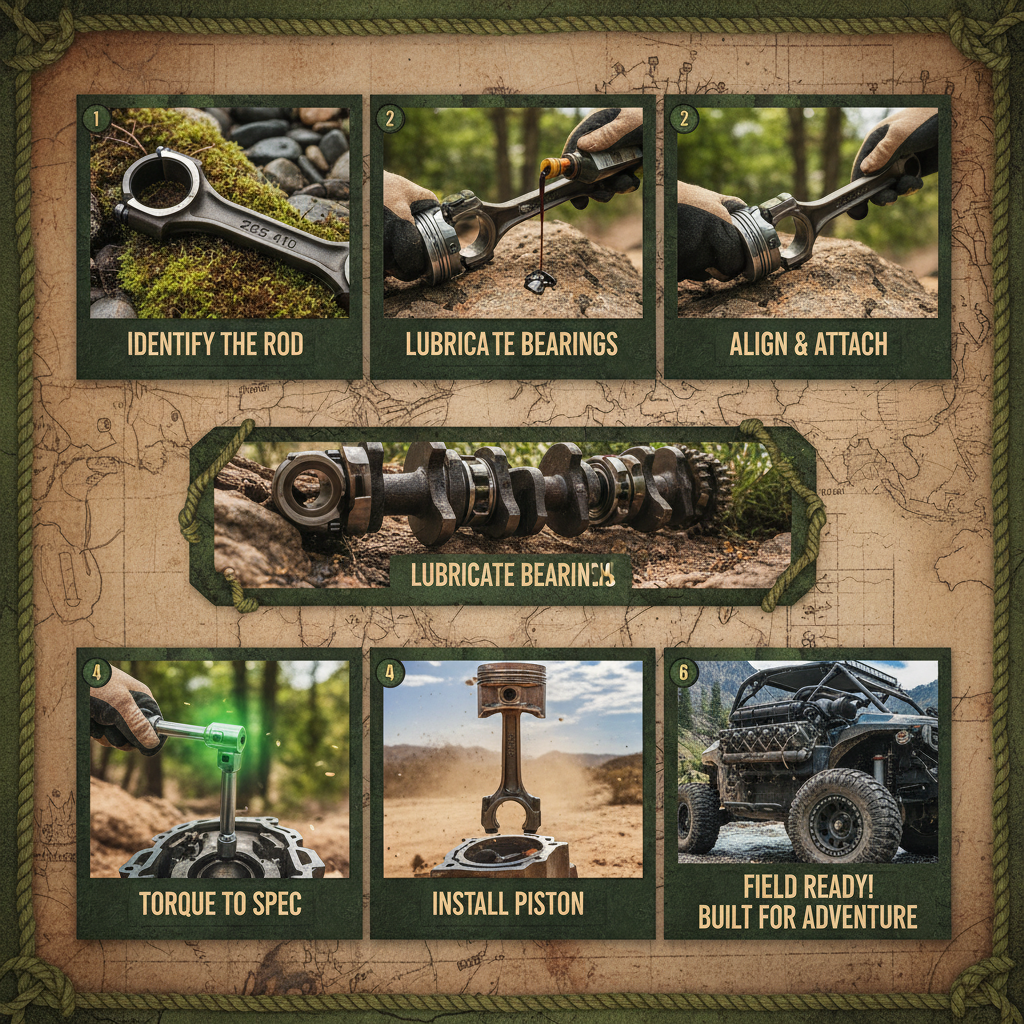
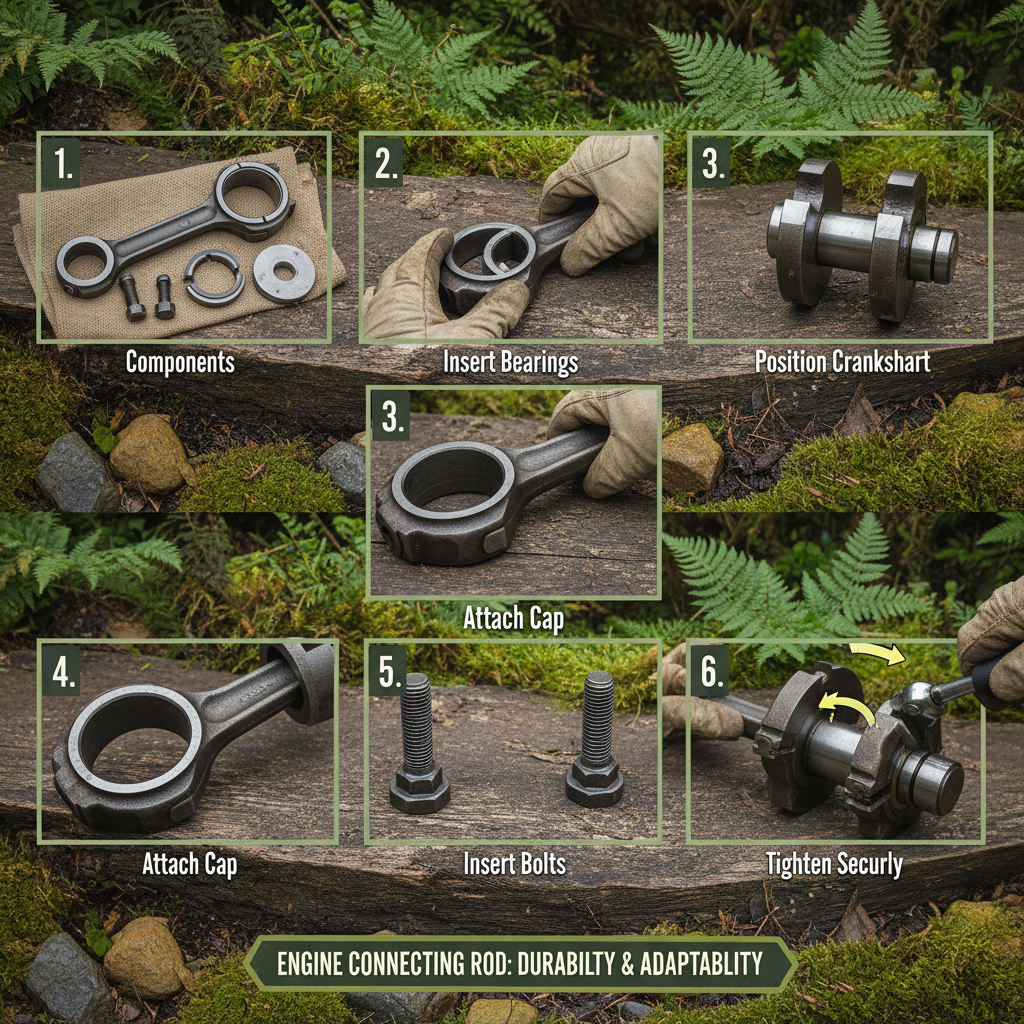
Ultimately, whether this thing works or not, the worker will know the moment he tightens the screw. If it feels right, sounds right, and runs right, then we’ve done our job. And if it doesn’t… well, we go back to the drawing board. And we keep trying until we get it right. That's all there is to it.