
If you’ve ever dabbled in automotive circles or even glanced under the hood of some Mitsubishi models, you might have come across the term 4g64 8v. But why is this particular engine designation noteworthy beyond just enthusiasts? Simply put, understanding engines like the 4g64 8v unlocks insight into durability, efficiency, and localized automotive innovation — all of which ripple through a global supply chain that powers countless industries and commutes worldwide.
As vehicle manufacturing adapts to varying regulations, resources, and performance demands, engines like the 4g64 8v embody a blend of design simplicity and adaptability that many developing markets find invaluable. They’re reliable, time-tested workhorses — and yes, they quietly support economic growth across regions where modern alternatives can be scarce or costly.
Globally, millions rely on internal combustion engines (ICE) like the 4g64 8v. The World Bank estimates nearly 1.4 billion vehicles are on the road worldwide as of recent years, with a substantial percentage using similar mid-sized 4-cylinder engines. In developing economies across Asia, Africa, and parts of South America, the 4g64 8v is a staple for utility vehicles, light trucks, and even generators.
Yet, the industry faces challenges: tightening emissions standards, rising fuel costs, and needs for longer-lasting, low-maintenance engines. The 4g64 8v addresses some of these by balancing simplicity with efficiency; it’s not just a relic but a pragmatic engine design that adapts well to local repair capabilities and fuel qualities.
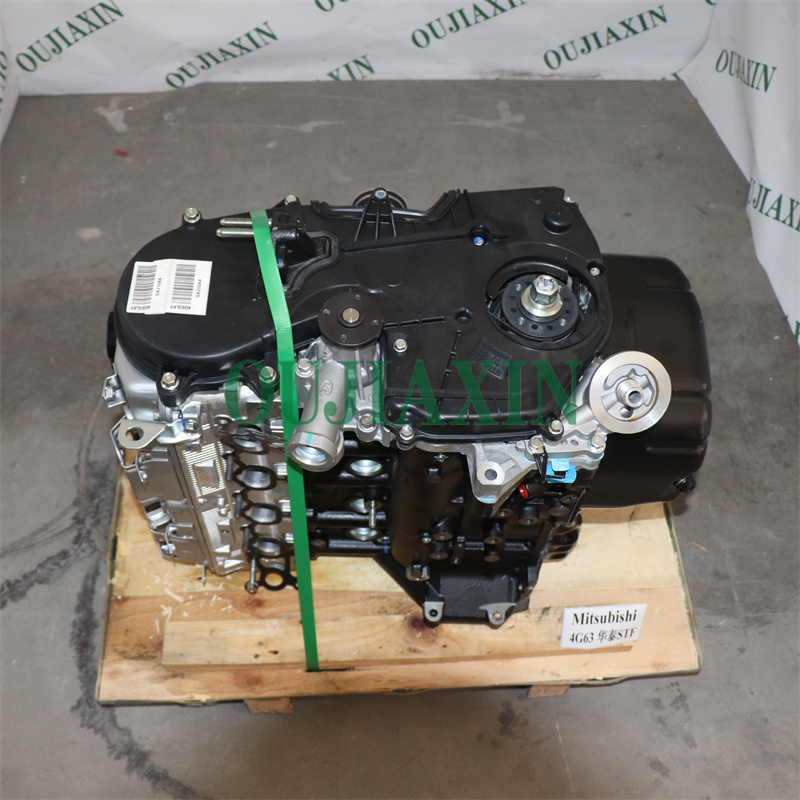
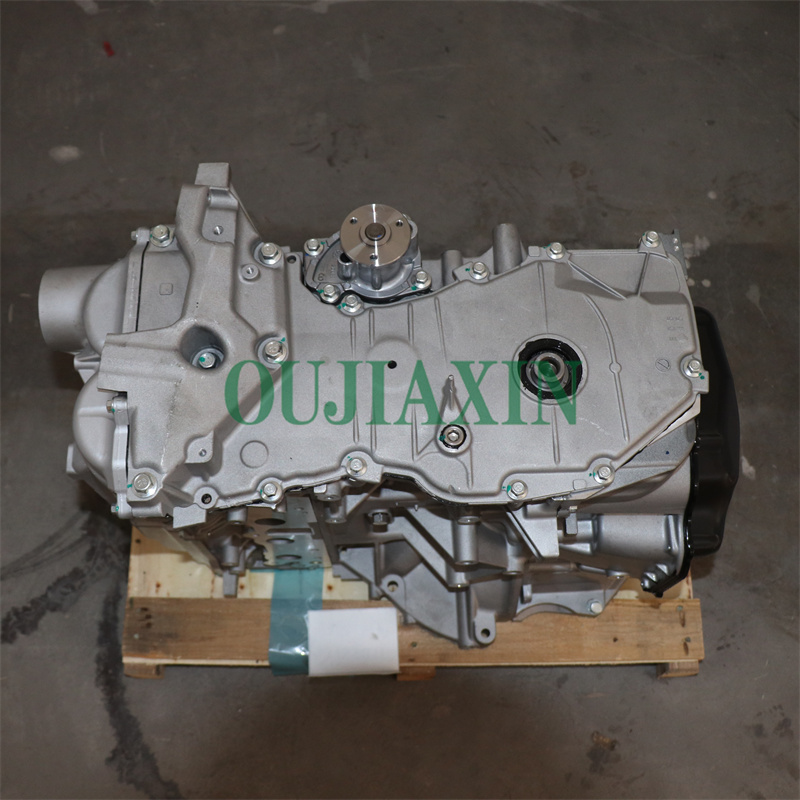
In layman’s terms, the 4g64 8v is a 2.4-liter inline-four gasoline engine, developed by Mitsubishi Motors. “8v” indicates it has 8 valves total — so two valves per cylinder. That contrasts with “16v” variants boasting four valves per cylinder. While less sporty or powerful than the latter, the 4g64 8v’s simplicity means fewer parts to wear, easier tune-ups, and generally tougher reliability across varied conditions.
This engine also feeds into multiple applications: not just passenger cars but also light-duty commercial vehicles and stationary power solutions. From rural taxi fleets in bustling cities to emergency generators in off-grid areas, the 4g64 8v proves itself adaptable and dependable — qualities that are crucial in regions where specialized service infrastructure might be minimal.
Many mechanics swear by the 4g64 8v’s longevity. Its lower valve count reduces complexity, cutting down potential failure points. Parts availability is generally good too, especially in places with a Mitsubishi presence. This makes it a star for owners looking to keep costs low over many years.
Compared to modern engines packed with variable valve timing and rampant electronics, the 4g64 8v is refreshingly straightforward. This matters hugely where diagnostic tools aren’t common. A wrench and patience often suffice to keep it running.
While not a hybrid marvel, the 4g64 8v manages decent fuel economy given its displacement. It strikes a practical compromise between power and consumption — ideal for mixed city and highway use.
It runs reasonably well on lower octane fuels available in many emerging markets. This flexibility reduces costs and widens its user base.
The relatively simple valve setup means less frequent valve adjustments, a common need in multi-valve designs. That saves both time and money.
Across Southeast Asia, East Africa, and parts of South America, the 4g64 8v powers a range of vehicles — from family sedans to utility vans. For instance, taxi operators in Nairobi choose these engines for their ease of repair and durability on rough roads. Similarly, small logistics firms in Jakarta lean on these engines, knowing they can find spare parts locally without the usual wait times.
Emergency relief organizations also leverage equipment powered by the 4g64 8v, using its proven reliability to run generators in remote villages. When electricity dips, a 4g64 8v-powered generator hums reliably — that kind of dependability can quite literally mean the difference between life and hardship.
The auto industry is evolving fast, and even stalwarts like the 4g64 8v feel these push-and-pulls. Electrification demands remain profound — yet retrofitting or hybridizing older engines is becoming a realistic path forward. Imagine pairing the sturdy 4g64 8v with an electric assist system to reduce emissions without losing dependability.
Material science advances are also relevant. Engine components made from lighter alloys and treated for better heat resistance extend runtime and efficiency. Digitally enhanced fuel injection and ignition systems improve performance while retaining the simplicity that defines the 4g64 8v.
Naturally, the 4g64 8v isn’t perfect. It lacks the finesse of multi-valve designs in terms of power output and emissions. Sometimes parts availability can be spotty outside Asia, and emissions regulations may eventually outpace its compliance without upgrades.
However, innovative approaches like local remanufacturing, ECU tuning, and aftermarket support networks help overcome these hurdles. Collaborative programs that train local technicians ensure that the 4g64 8v keeps humming in far-flung workshops where it truly matters.
| Specification | Details |
|---|---|
| Displacement | 2.4 Liters (2378 cc) |
| Configuration | Inline 4-cylinder |
| Valves | 8 valves (2 per cylinder) |
| Fuel Type | Gasoline (Petrol) |
| Power Output | ~116-125 hp (varies by market & tuning) |
| Torque | ~187 Nm (Newton-meters) |
| Compression Ratio | 8.5:1 to 9.0:1 |
| Cooling System | Water-cooled |
| Vendor | Region | Product Range | After-Sales Support | Pricing |
|---|---|---|---|---|
| Mitsubishi Motors Genuine | Global | New & remanufactured 4g64 8v engines | Worldwide warranty & service centers | Premium pricing |
| AutoParts Direct | Asia & Africa | Used and rebuilt engines | Local workshops, limited warranty | Mid-range |
| EnginePro Solutions | South America | Remanufactured engines with customization | Strong technical support, training available | Competitive pricing |
The 4g64 8v, with its simpler two-valve per cylinder setup, often lasts longer with less frequent major repairs. While newer engines deliver more power and efficiency, the 4g64 8v’s ruggedness and ease of maintenance make it uniquely durable, especially in regions with less vetting of fuel and limited service infrastructure.
It’s reasonably fuel efficient for a 2.4L engine without advanced tech like variable valve timing. You won’t get hybrid-like economy, but in real-world mixed driving conditions, it balances acceptable fuel consumption with dependable power.
Parts are fairly accessible in Asia, Africa, and parts of South America, especially through Mitsubishi dealerships or aftermarket suppliers. Online marketplaces have also expanded inventory access. It is advisable to rely on reputable vendors for genuine or quality remanufactured components.
With expert tuning and modifications, conversion to LPG or CNG is possible, but it requires careful calibration to maintain performance and avoid engine damage. Such conversions help improve emissions and fuel cost savings in certain markets.
Though the automotive world races toward hybrid and electric vehicles, the 4g64 8v engine still runs strong in countless settings — from bustling urban roads to remote generators humming in a distant village. Its blend of simplicity, reliability, and adaptability ensures its place in the global mosaic of practical machinery.
If you want to dive deeper into detailed specs or explore how to upgrade your 4g64 8v system, visit our website: 4g64 8v. You might just find solutions crafted for real-world users who value resilience over flash.
The 4g64 8v is more than just an old engine model — it’s a symbol of endurance and practical design that continues to serve millions, especially where cutting-edge tech still plays catch-up.