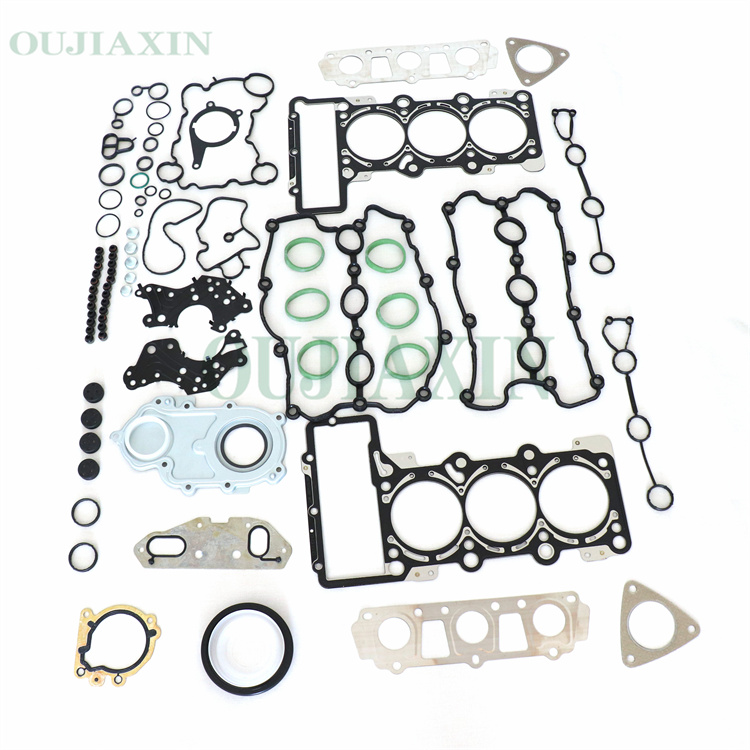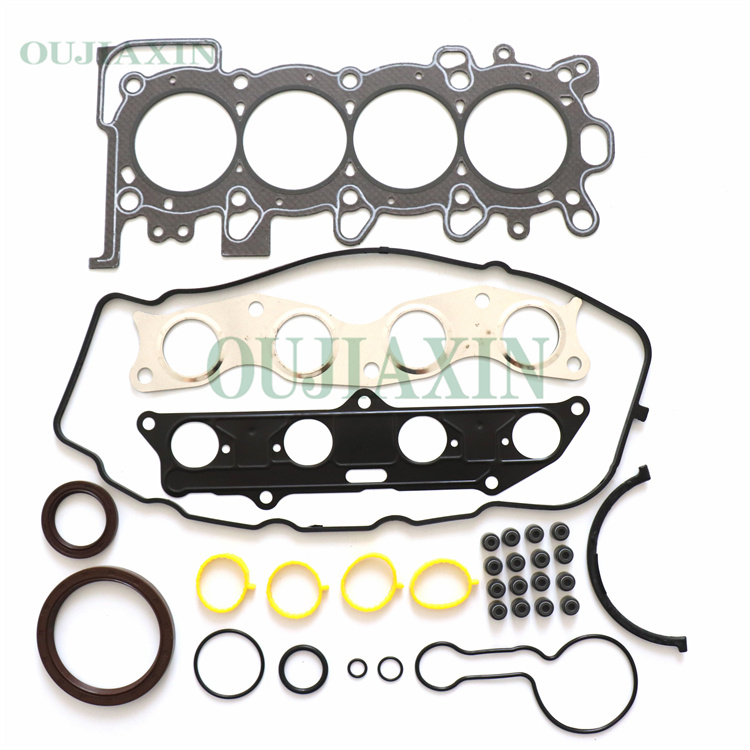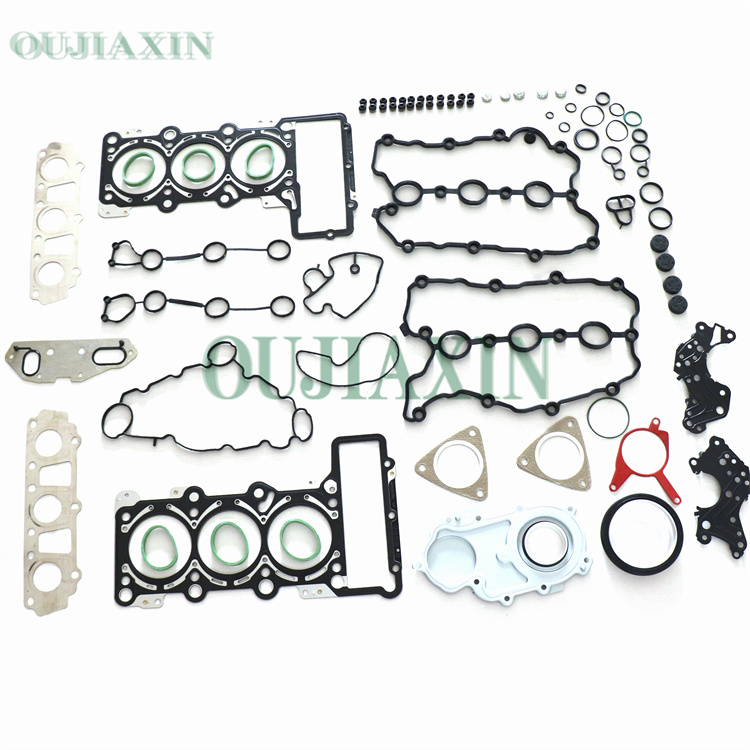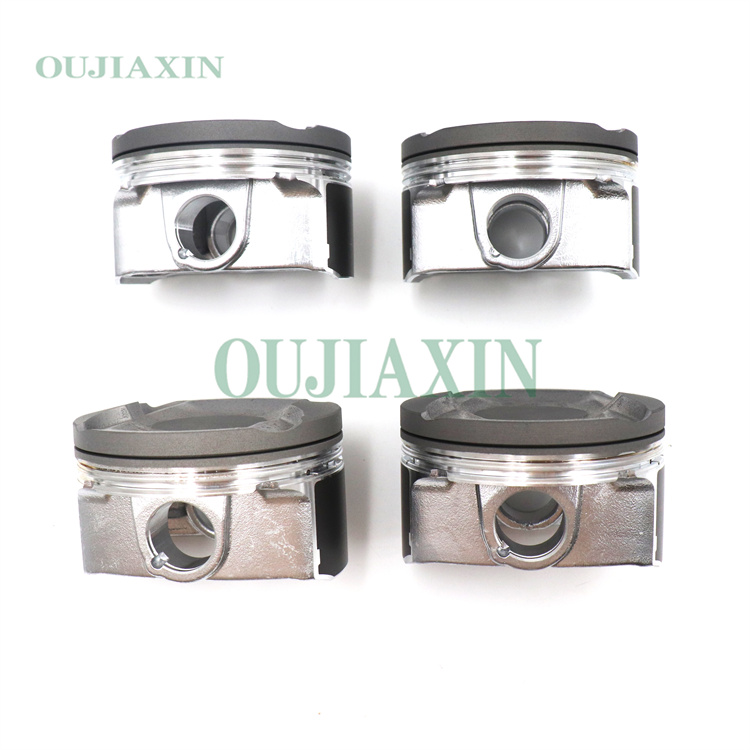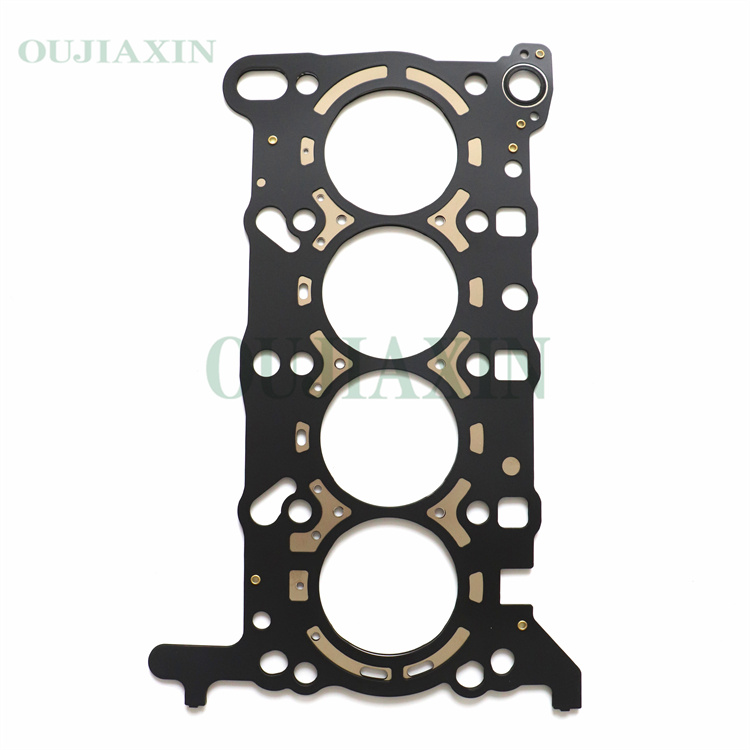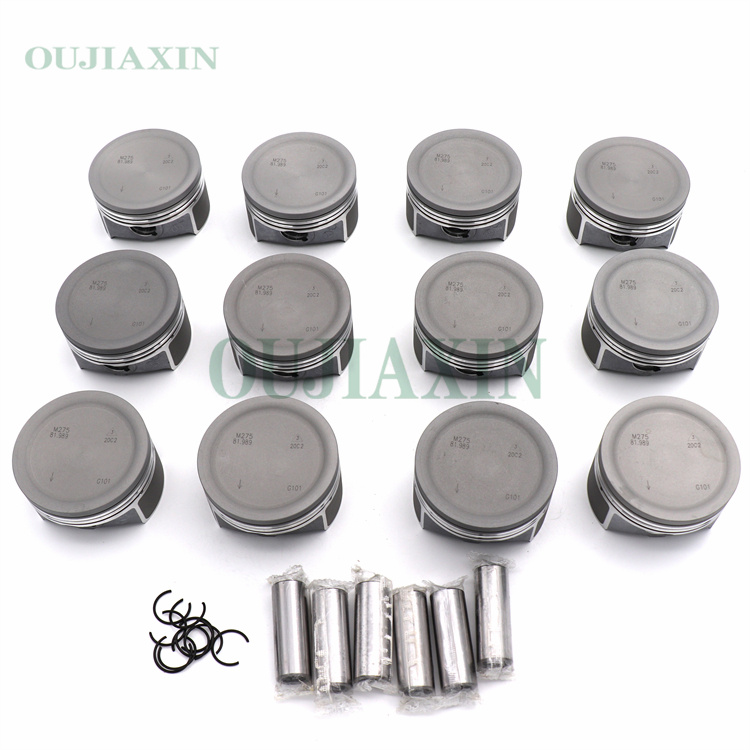
If you’ve ever peeked under a car hood or even glanced at a diesel generator, you've encountered cylinder head bolt kits — often overlooked heroes in engine integrity. Sure, it sounds niche, but globally, these kits play a crucial role in everything from transportation to power generation. Understanding them isn’t just for mechanics but also for anyone who values reliability and efficiency in machinery that powers our world.
Worldwide, billions of combustion engines run daily, supporting industries from agriculture to aviation. According to the International Organization for Standardization (ISO), engine failures due to improper assembly or wear cost industries millions annually. Enter the cylinder head bolt kit, which helps ensure engine heads remain tightly sealed under extreme pressure and heat. In many developing regions, where equipment maintenance sometimes drags because of parts scarcity, reliable bolt kits can mean the difference between downtime and productivity.
Oddly enough, while technology leaps forward in electric vehicles, industrial engines still depend heavily on well-made cylinder head bolt kits to function safely and efficiently.
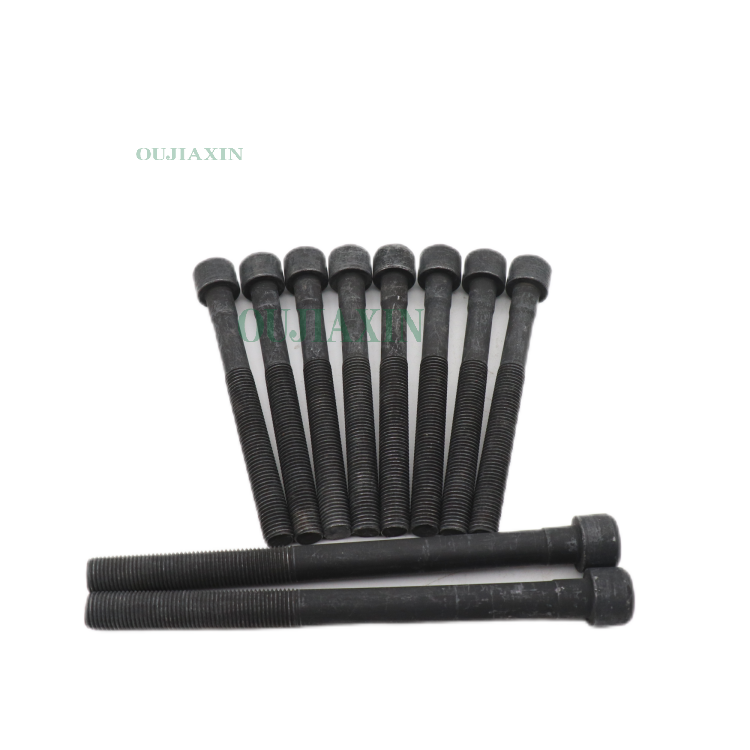
Simply put, a cylinder head bolt kit is a set of specially engineered bolts (and sometimes washers) designed to fasten the cylinder head to the engine block. The bolt fastening needs to withstand extreme forces — heat, vibration, combustion pressure — without loosening or breaking. Think of it as the structural handshake that keeps all engine internals sealed and performing as intended.
In modern industry, these kits contribute to sustainability and safety. Properly torqued and reliable bolt kits reduce emissions from leaks and prevent catastrophic engine failures — a big deal for humanitarian efforts where generators run hospitals or water pumps in remote areas.
Most top-quality kits use hardened steel alloys or even specialty coatings to resist corrosion and stretching. This isn’t just about making them tough but enabling consistent re-torqueing during maintenance without losing their spring tension.
Bolts have calibrated thread designs and head shapes for uniform pressure distribution. Many kits come with torque specs or even built-in torque indicators to guide mechanics through flawless assembly.
The engine environment experiences rapid heating and cooling. A good bolt kit can handle these thermal cycles to avoid stress fractures, maintaining engine integrity through thousands of operating hours.
A complete kit often contains every bolt and washer needed, tailored to specific engine models. This one-stop solution saves time and ensures nothing is missed — crucial for field operations or manufacturing lines.
These kits are everywhere — from the diesel-powered trucks hauling goods across Europe to the bulky generators providing power in remote African villages. Here are some real-world glimpses:
The value behind a reliable cylinder head bolt kit isn’t just technical jargon:
Frankly, it feels like a small detail, but in big-picture terms, these kits contribute to smoother operations and safer work environments worldwide.
| Specification | Detail |
|---|---|
| Bolt Material | Hardened Alloy Steel (Grade 10.9) |
| Coating | Corrosion-resistant Zinc Phosphate |
| Torque Range | 80 - 120 Nm (varies by bolt size) |
| Temperature Resistance | -40°C to 150°C continuous |
| Included Components | Bolts, lock washers, nuts (engine-specific) |
| Typical Application | Automotive engines, industrial machinery |
| Vendor | Material Quality | Customization | Global Availability | Pricing (per kit) |
|---|---|---|---|---|
| BoltTech Industries | High-grade alloy with advanced coatings | Engine-specific kits, OEM partnerships | Worldwide | $120 - $180 |
| FastenPro Supplies | Standard alloy steel, corrosion-resistant finish | Generic kits, bulk options | North America, Europe | $80 - $140 |
| EngineBolt Co. | Grade 10.9 alloy, special plating for marine use | Specialized marine and industrial kits | Selective global markets | $150 - $220 |
Engineers are tweaking bolt alloys with nano-coatings and exploring self-locking bolt mechanisms that save time and reduce errors during assembly. The rise of Industry 4.0 means smart tools can measure precise torque and even record maintenance data digitally — a neat bonus for fleet managers. Oddly enough, these humble fasteners are getting a high-tech makeover.
Common issues include supply chain delays for custom kits, incorrect torque application by inexperienced mechanics, and a lack of universal standards across regions — which means sometimes bolts don’t fit or perform as expected. Industry insiders recommend better training, standardized part numbering, and stockpiling critical kits in vulnerable regions.
A good cylinder head bolt kit quietly supports all the engines powering our daily lives — from trucks on highways to vital community generators. Beyond the specs and torque values, it’s about trust, safety, and prolonging the life of critical machinery. For anyone involved with engine maintenance or procurement, choosing the right kit is an investment that pays off in reliability and peace of mind.
Interested in learning more or sourcing the best kits? Visit our website: https://www.oujiaengine.com to explore options tailored to your needs.
Cylinder head bolt kits might seem like simple components, but under the hood, they’re indispensable — quietly resisting extreme stress and holding engines together across the globe. Remember, the smallest parts often have the biggest impact.