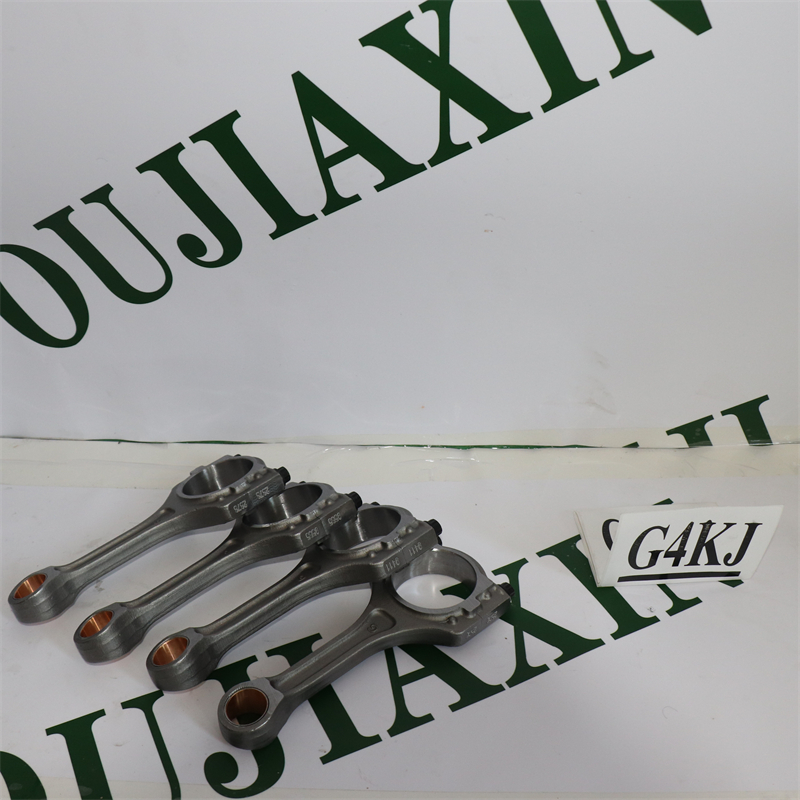

Colombia's unique geography, characterized by the Andes mountains and coastal humidity, places extreme stress on internal combustion engines. The frequent altitude changes between Bogotá and the coast lead to varying air densities, which directly affects the combustion pressure acting upon the car conrod, increasing the risk of fatigue failure if suboptimal materials are used.
In the Colombian commercial transport sector, vehicles often operate under heavy loads on steep inclines. This operational reality demands important parts of car engine that can handle high torque and thermal stress without deformation, making the precision of the connecting rod a critical factor in reducing fleet downtime.
Economically, the Colombian market is shifting toward higher efficiency and lower emission standards. This transition has increased the demand for a superior con rod material that balances lightweight properties with extreme tensile strength to improve fuel economy without sacrificing engine durability.