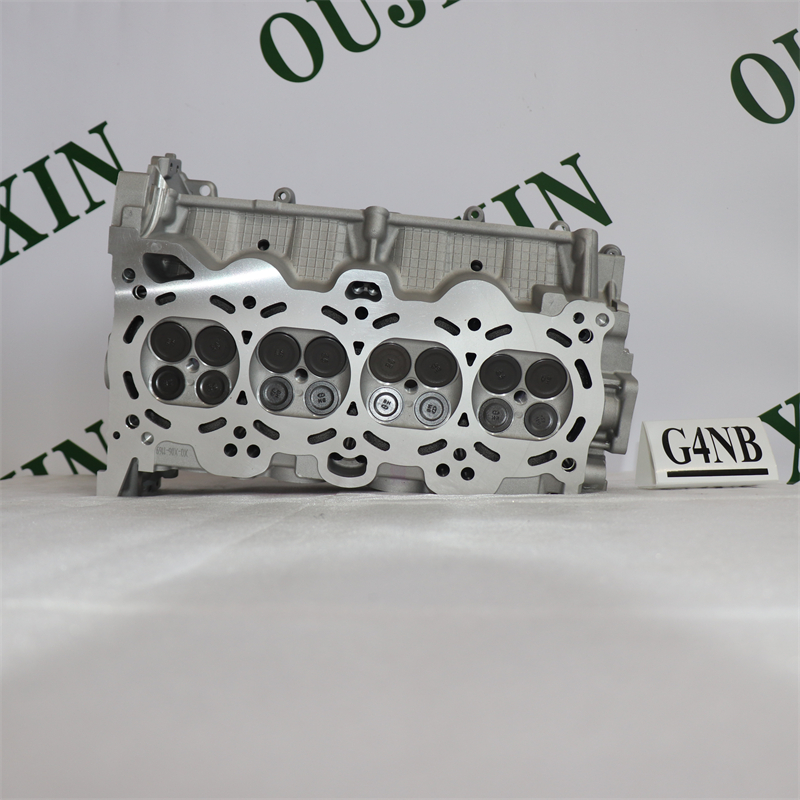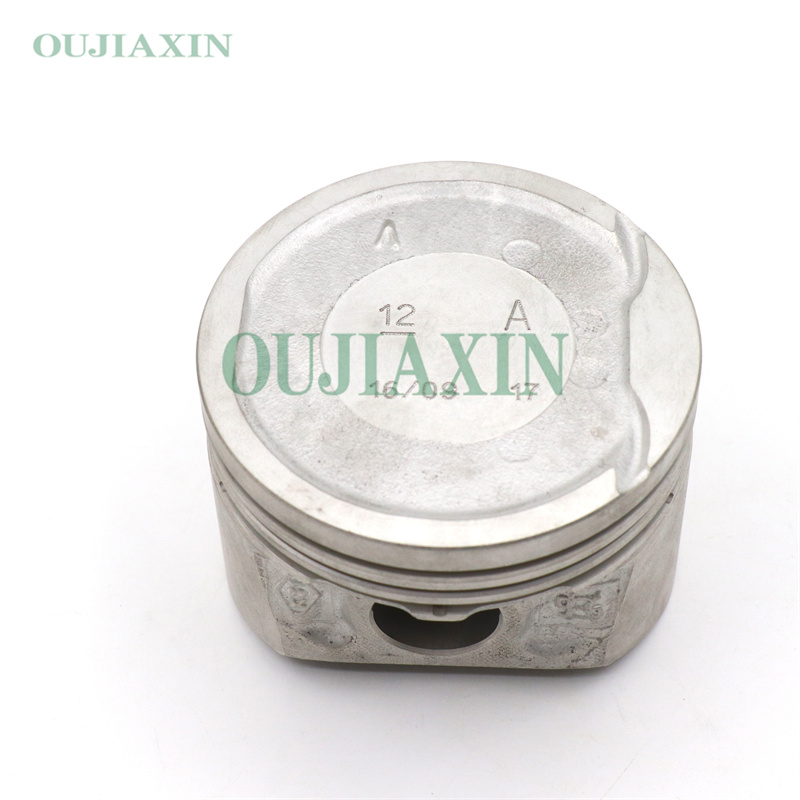
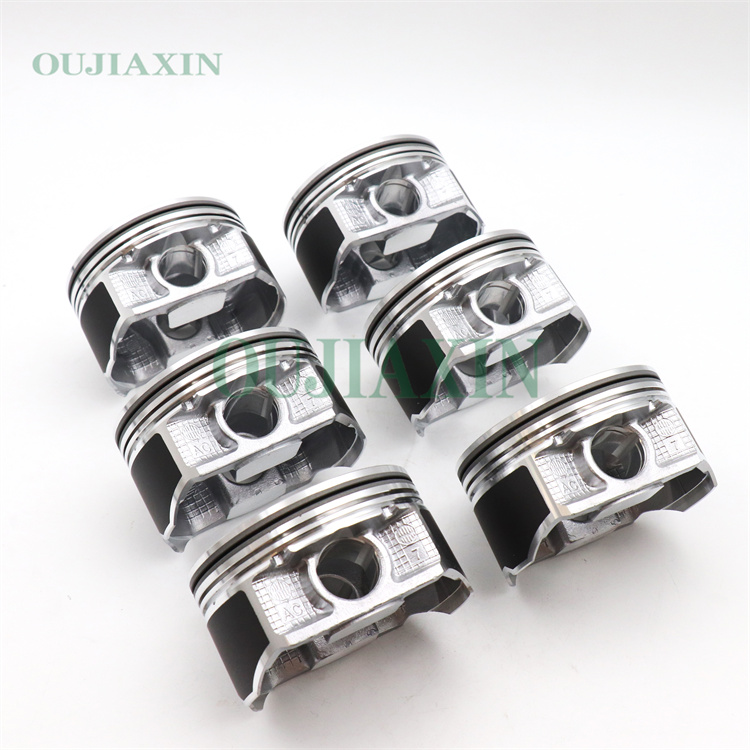
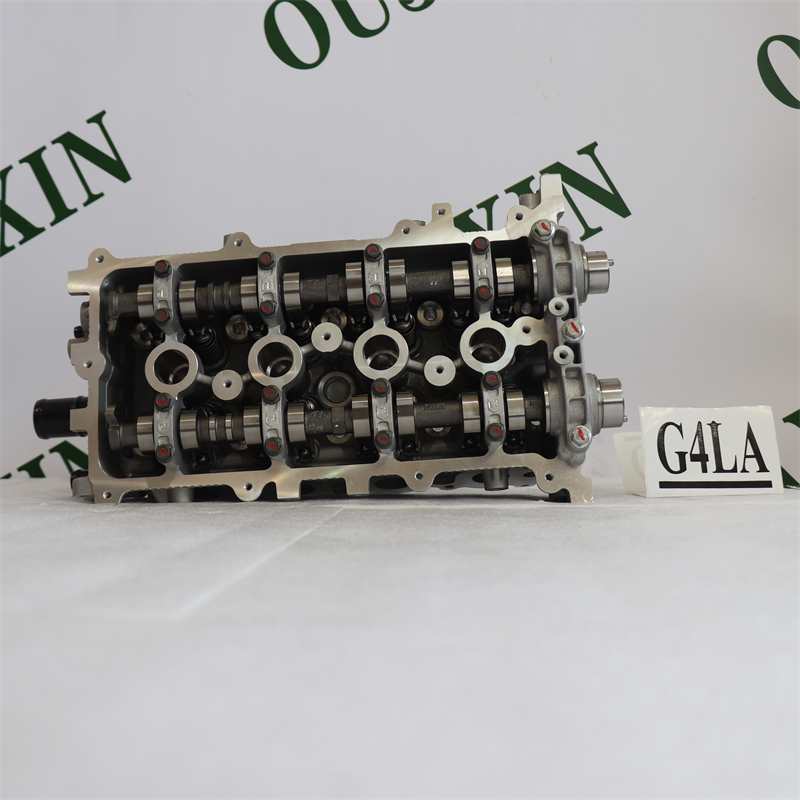
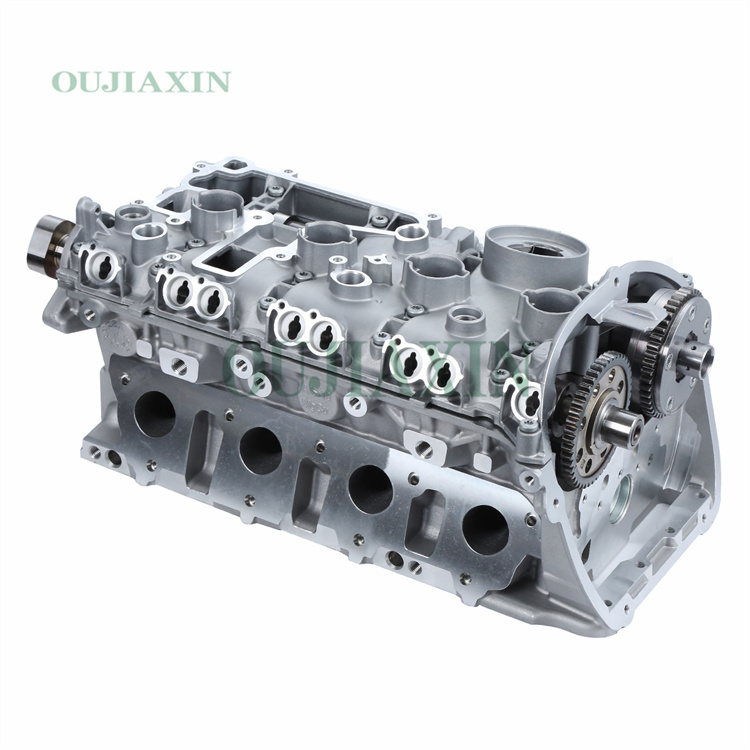
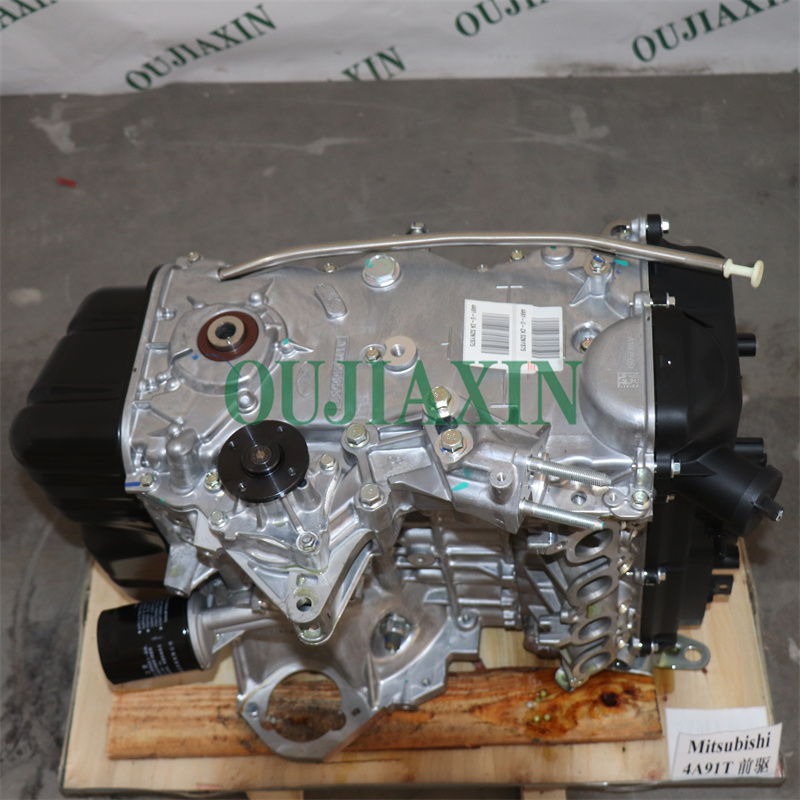
Premium Engine Car Components Solutions for Ecuador

High-performance automotive parts engineered to withstand the diverse terrains and climates of the Ecuadorian market, ensuring maximum engine longevity.

Automotive Manufacturing Landscape in Ecuador

Analyzing the current state of engine part replacement and maintenance in the Andean region.

Ecuador's unique geography, ranging from the high altitudes of the Andes to the humid coastal plains, places extreme stress on important parts of car engine. The frequent elevation changes require components that can handle varied atmospheric pressures and temperature fluctuations without compromising structural integrity.

The local market currently sees a high demand for durable car conrod replacements due to the prevalence of heavy-duty commercial vehicles used in banana and flower exports. Logistics fleets operating between Quito and Guayaquil often face premature wear and tear on internal engine components.

Economic shifts toward more efficient fuel consumption have led Ecuadorian workshops to seek higher-grade con rod material that offers a better strength-to-weight ratio, reducing parasitic loss and increasing the overall efficiency of aging vehicle fleets.
Evolution of Engine Component Technology

From traditional casting to precision forging in the Ecuadorian automotive sector.

Market Development History

In the late 20th century, the Ecuadorian market relied heavily on basic cast-iron components. The car connecting rod designs of that era were heavy and prone to fatigue failure under the high-torque loads required for mountain climbing.

Between 2005 and 2015, a transition toward forged steel and aluminum alloys began. This era marked the introduction of more precise tolerances, allowing for better lubrication and reduced friction within the engine block, significantly extending the life of the vehicle.

Recently, from 2016 to the present, the focus has shifted toward metallurgy. The adoption of advanced con rod material such as chromium-molybdenum steel has become the standard for high-performance and commercial engine rebuilds in the region.

Future Development Trends

Lightweight Alloy Integration

Integrating titanium-based alloys to reduce reciprocating mass, thereby improving RPM response and fuel economy for urban transport in Quito.

Precision CNC Machining

A shift toward micron-level precision in the manufacturing of car conrod to minimize vibration and noise (NVH) in modern diesel engines.

Eco-Friendly Material Sourcing

Increasing demand for recyclable and sustainably sourced metals to align with South America's growing environmental regulations.

Industry Trends and Future Outlook

Predicting the next 3-5 years of automotive component evolution in Ecuador.

High-Strength Forging
Adopting aerospace-grade forging techniques to ensure car connecting rod durability in extreme Andean altitudes.
Thermal Resistance
Developing components that resist thermal expansion caused by the high temperature variance between coast and mountains.
Hybrid Engine Parts
Specialized engine car components for hybrid powertrains as Ecuador moves toward greener transit.
Smart Diagnostics
Integrating wear-sensor compatible materials into important parts of car engine for predictive maintenance.

Industry Outlook

Google search trends for "engine rebuild" and "performance parts" in Ecuador indicate a growing interest in longevity over cheap replacements. This suggests a shift in the consumer psyche toward investing in high-quality materials that reduce long-term downtime.

The convergence of strict emissions standards and the need for heavy-duty performance will drive the demand for precision-engineered internal components that can operate at higher efficiencies without increasing mechanical stress.

Localized Application Scenarios in Ecuador

Real-world implementation of high-performance engine components across diverse Ecuadorian environments.

1. Andean Highlands Cargo Transport

Heavy-duty trucks transporting produce from the highlands to the coast require reinforced car connecting rod units to handle the constant high-torque loads of steep inclines.

2. Coastal Urban Commuting

Passenger vehicles in Guayaquil face extreme humidity and salinity. We provide corrosion-resistant engine car components that prevent oxidation and maintain seal integrity.

3. Agricultural Machinery Maintenance

Tractors and machinery used in the banana plantations require high-fatigue resistance. Utilizing superior con rod material ensures minimum downtime during harvest seasons.

4. Quito Public Transport Fleets

High-altitude urban buses experience unique combustion pressures. Our important parts of car engine are balanced to reduce vibration in thin air environments.

5. Remote Amazonian Logistics

Vehicles operating in the Oriente region often face poor fuel quality. Our components are engineered with enhanced durability to withstand the abrasive effects of impure fuels.

Brand Story

Global Development Journey of Hebei Oujia Import and Export Trade Co., Ltd.

Foundational Precision

Established with a mission to solve the instability of aftermarket engine parts, focusing on metallurgical purity and precision machining.

Technical Expansion

Investing in R&D to create components that exceed OEM standards, specifically targeting the needs of heavy-duty commercial transport.

Global Market Entry

Expanding our footprint into South America, adapting our engineering to meet the specific geographic challenges of markets like Ecuador.

Quality Certification

Achieving international certifications for material strength and tolerance, ensuring every part shipped is a guarantee of engine safety.

Sustainable Future

Committing to the production of eco-friendly, long-life engine parts to reduce the global carbon footprint of the automotive industry.

Ecuador Engine Parts FAQ

Addressing common technical concerns regarding engine components in the Andean region.

What is the best con rod material for high-altitude driving in Quito?

For high-altitude environments, forged chromium-molybdenum steel is ideal as it provides the necessary fatigue strength to handle varying combustion pressures without adding excessive weight.

How do I identify a high-quality car connecting rod replacement?

Look for components with precise surface finishing, OEM-standard weight balancing, and certification of the forging process to ensure structural integrity.

Why are engine car components wearing out faster in coastal Ecuador?

High salinity and humidity in coastal areas like Guayaquil can accelerate corrosion. Using parts with advanced coatings and superior materials helps mitigate this environmental stress.

Which are the most important parts of car engine to replace during a full rebuild?

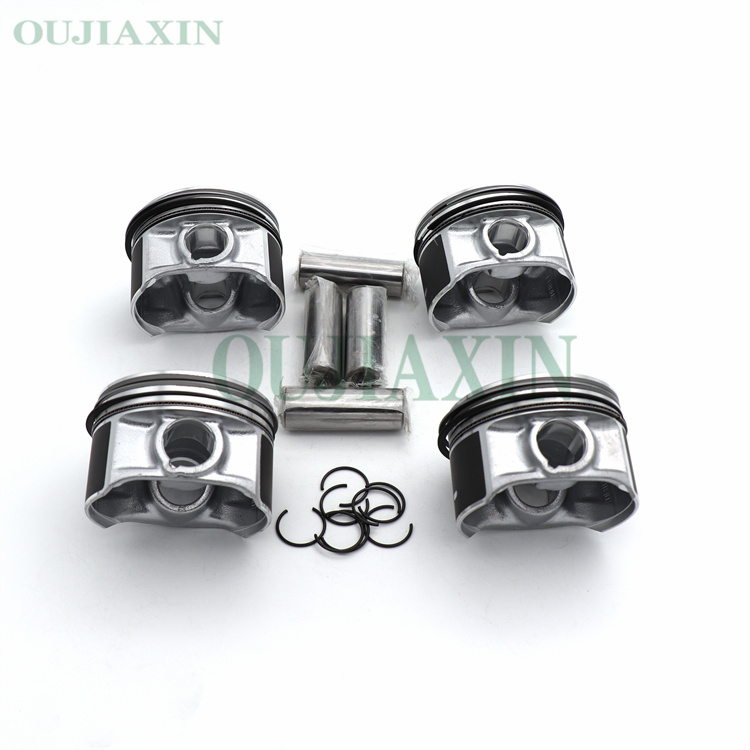
Connecting rods, pistons, and main bearings are critical. Replacing the car conrod ensures the engine can handle renewed compression levels safely.

Do forged car connecting rods improve fuel efficiency?

Yes, by reducing reciprocating mass through better material science, the engine spends less energy moving the components, which can lead to marginal gains in fuel economy.

What is the typical lifespan of professional-grade engine car components?

With proper lubrication and maintenance, our forged components are designed to last the entire lifespan of the engine rebuild, often exceeding 200,000km even in demanding conditions.

Expert Engine Solutions Await

Contact our technical team today for high-performance automotive components delivered directly to Ecuador.

Contact Us Now
  • wechat

    lily: +86 19567966730

Contact Us
Request a Quote

If you are interested in our products, you can choose to leave your information here, and we will be in touch with you shortly.