Why Head Bolts for Aluminum Heads Matter Worldwide
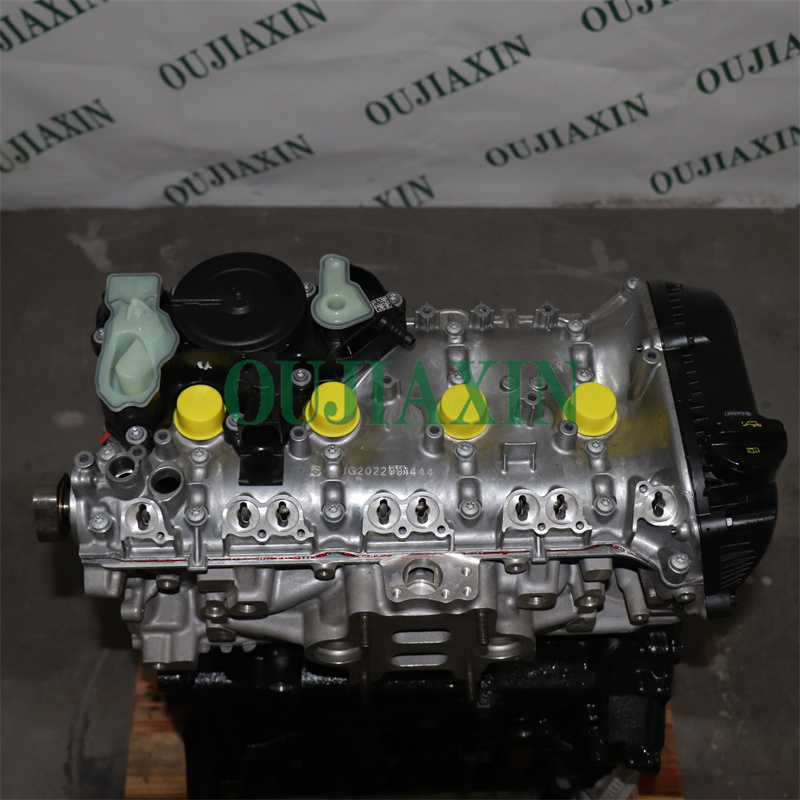
Head bolts for aluminum heads might seem like a niche topic, but they’re actually quietly crucial in industries ranging from automotive to aerospace. Aluminum cylinder heads have become almost standard in modern engines because they offer lighter weight and better heat dissipation than cast-iron heads. However, their unique properties mean the fasteners holding them — the head bolts — require particular care in design and material choice. Understanding these head bolts isn’t just for engineers tinkering under the hood; it’s key to improving engine reliability, performance, and even sustainability globally.
The automotive sector alone produces over 80 million cars annually worldwide, many powered by engines with aluminum heads. The failure or degradation of these head bolts causes costly repairs and environmental waste. So, as engines get more powerful and lighter, the demand for reliable fasteners like these grows all the time.
Mini takeaway: The humble head bolt is a linchpin in advanced engine design, and knowing its role helps us appreciate how precision and material science impact everyday tech all around us.
The Global Context Behind Head Bolts for Aluminum Heads
Why does this matter on a global scale? According to the International Organization for Standardization (ISO), the global automotive manufacturing industry is shifting toward lightweight materials to improve fuel efficiency and reduce emissions. Aluminum heads are a prime example—they reduce engine weight by up to 30% compared to conventional cast-iron heads.
But there’s a catch: aluminum behaves differently under heat and pressure, expanding more than steel. That means the head bolts must withstand higher tensile stress and repeated thermal cycling without loosening or failing. Failures here ripple out—think of recalls, wasted energy, and even safety hazards.
Here’s a rough stat: engine failures linked to improper head bolt torque or fatigue can cost automotive manufacturers millions annually. Even more, efficient, correctly engineered head bolts support the push for cleaner internal combustion engines and hybrid powertrains, which remain vital globally despite electrification trends.
Mini takeaway: Behind every reliable engine is an invisible war against heat, stress, and wear—and head bolts for aluminum heads are key soldiers in that battle.
What Exactly Are Head Bolts for Aluminum Heads?
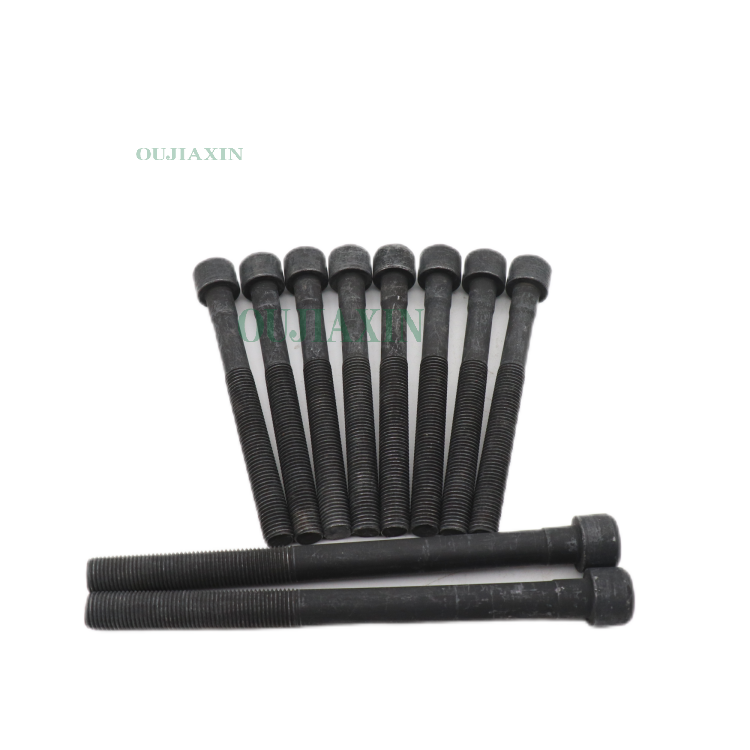
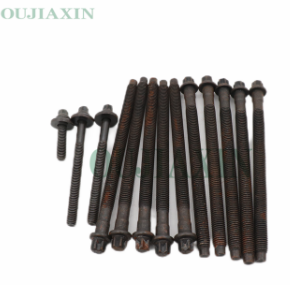
To put it simply, head bolts are high-strength fasteners designed to clamp cylinder heads firmly onto engine blocks. When the cylinder head is aluminum, these bolts have to accommodate the unique material challenges — like different thermal expansion rates and potential for corrosion.
In modern engines, they maintain the seal between the head and gasket, preventing leaks in combustion chambers. Failure here either means loss of compression or fluid leaks—neither good when you want peak performance.
Many engineers say these bolts are “the silent heroes” of engine integrity because you often don't notice them—until something goes wrong. Materials often include alloy steels with coatings or treatments for enhanced durability and corrosion resistance. Torque and stretch specifications differ from bolts used with cast iron heads.
Mini takeaway: Head bolts for aluminum heads are not your average fasteners. They blend materials science, mechanical engineering, and precise manufacturing — all to keep your engine running smoothly.
Core Attributes of Head Bolts for Aluminum Heads
1. Durability Under Thermal Stress
Aluminum heads expand and contract more than steel engine blocks, so these bolts must maintain clamping force during continuous heating cycles without relaxing—no easy feat.
2. High Tensile Strength
They need to withstand significant pulling forces. Many use 10.9 or 12.9 grade steels, offering tensile strengths in excess of 1000 MPa, depending on design.
3. Corrosion Resistance
Chemical attacks from engine coolants or moist environments mean coatings (like phosphate or zinc) and corrosion-resistant alloys are common.
4. Precision Manufacturing and Torque Control
Small deviations in bolt stretch or torque can lead to gasket failure. Precise threading and torque-to-yield designs improve reliability.
5. Compatibility With Aluminum
Special designs reduce the risk of galling or uneven clamping on softer aluminum surfaces. Some use coatings or sleeves for this purpose.
6. Cost Efficiency
While quality control and materials add expense, cost-effective production methods help OEMs balance durability with price.
Mini takeaway: It’s a balancing act—strength, durability, corrosion defense, and cost all have to come together in these tiny components to keep engines purring.
Global Uses and Beneficiaries of These Specialized Bolts
If you think head bolts are just an auto industry obsession, think again. Aerospace engines also increasingly utilize aluminum alloys, demanding similarly reliable fasteners. Heavy machinery, marine engines, and high-performance racing engines all rely on appropriately designed head bolts for aluminum heads.
In developing countries with growing automotive markets—like India, Brazil, and Southeast Asia—using the right head bolts prevents early failures that cost owners dearly and supports sustainable mobility.
An interesting real-world picture comes from disaster relief vehicles, where reliability under tough conditions is critical. Engines must stay operational when fuel and repair resources are limited—quality fasteners matter.
head bolts for aluminum heads are favored by manufacturers focused on high durability and cost-effective performance globally.
Mini takeaway: These components quietly power engines worldwide—from daily commuters to rugged rescue vehicles—showing their hidden global impact.
Advantages and Long-Term Value of Using Correct Head Bolts
From a practical standpoint, robust head bolts:
- Cut maintenance cost by reducing gasket and head replacement frequency.
- Increase engine lifespan by maintaining ideal sealing under extreme conditions.
- Enhance safety by preventing catastrophic head gasket failures.
- Support environmental goals by enabling lighter, more efficient engine designs.
On a less tangible note, using the right bolt evokes a silent trust—engineers and motorists alike feel safer knowing components have been rigorously tested. This is innovation that feels approachable and real, not flashy tech.
Mini takeaway: Head bolts for aluminum heads offer a blend of logical savings and emotional security—two pillars for any responsible engineering choice.
What’s Next? Trends and Innovations in Head Bolt Design
Hey, we’re far past plain steel bolts. Some exciting frontiers include:
- Advanced coatings that self-lubricate and resist corrosion even better.
- Composite and hybrid fasteners mixing metals with polymers for weight and strength savings.
- Digital torque monitoring using smart sensors to ensure perfect clamping during assembly.
- Recycled metal alloys to contribute to circular economy goals in automotive production.
- Automation in manufacture to reduce variability and improve quality control.
These innovations reflect wider industrial digitalization trends and the ongoing quest for greener, smarter engines.
Mini takeaway: Even these tiny bolts ride the wave of tech and sustainability, proving small parts often lead big change.
Challenges and How Experts Tackle Them
The major issue? Mismatched thermal expansion can still cause bolt preload to drop, leading to leaks or warping. Also, improper assembly—wrong torque, angle, or reuse of stretch bolts—remains a headache.
Solutions lie in:
- Using torque-to-yield bolts designed to stretch within limits, improving sealing.
- Better assembly training and procedures employing calibrated torque wrenches.
- Incorporating bolt coatings/treatments that reduce galling on aluminum threads.
Manufacturers are also exploring bolt designs with variable thread pitches or flanges that better distribute force.
Mini takeaway: Engineering solutions and good workmanship go hand-in-hand — no bolt alone solves an imperfect assembly.
Frequently Asked Questions About Head Bolts for Aluminum Heads
Q1: Can I reuse head bolts on aluminum heads?
A: Generally no, especially if they are torque-to-yield type bolts. Reusing can reduce clamping force and cause leaks. Always consult manufacturer specs—replacement is usually safer.
Q2: How do head bolts differ between aluminum and cast iron heads?
A: Aluminum head bolts often need higher tensile strength and special coatings due to aluminum’s greater thermal expansion and softer surface. Torque specs and bolt stretch requirements also differ.
Q3: What happens if a head bolt fails on an aluminum head engine?
A: Failure usually causes gasket leaks leading to coolant loss, compression drops, and potential engine overheating or severe damage over time. Early detection and maintenance reduce risk.
Q4: Are there industry standards for these head bolts?
A: Yes, ISO and SAE publish specifications for bolt grades and performance. OEMs follow strict guidelines for materials, strength, and testing.
Q5: How important is bolt coating?
A: Very. Coatings prevent corrosion and galling between steel bolts and aluminum heads, extending lifespan and improving assembly consistency.
Conclusion: The Small Part Making a Big Difference
At the intersection of material science and mechanical reliability, head bolts for aluminum heads quietly ensure that modern engines run cooler, lighter, and longer. Their role is far from glamorous but hugely impactful in global industries from automotive to aerospace. Investing in quality head bolts means better performance, safety, and environmental outcomes — all reasons to keep an eye on these unsung heroes.
If you want to explore reliable options or technical support, feel free to visit
our website—because sometimes, it’s the little things that make the biggest difference.
Product Specification Table
| Specification |
Typical Value |
Notes |
| Material Grade |
Alloy Steel 10.9 / 12.9 |
High tensile for durability |
| Length Range |
40 – 150 mm |
Varies by engine design |
| Coating |
Zinc Plated / Phosphate / DLC |
Anti-corrosion and anti-galling |
| Torque Spec |
60 – 120 Nm |
Engine dependent |
| Thread Type |
Metric Fine Pitch |
Improves clamping consistency |
| Operating Temp |
Up to 250°C |
Engine environment range |
Vendor Comparison Table
| Vendor |
Material Quality |
Torque Accuracy |
Coating Options |
Certifications |
Price Range |
| Oujia Engine Components |
10.9 & 12.9 steel alloys |
±3 Nm precision |
Zinc / DLC / Phosphate |
ISO 9001, IATF 16949 |
Mid-range |
| BoltPro Technologies |
12.9 High tensile steel |
±2 Nm precision |
Electroplated Zinc |
ISO 14001, SAE J429 |
Premium |
| FastenAll Inc. |
Alloy Steel 10.9 |
±4 Nm precision |
Phosphate Only |
ISO 9001 |
Budget |
Sources and references:
- Wikipedia: Head bolt
- ISO 898-1: Mechanical properties of fasteners
- World Bank: Transport Sector Overview