

Engine cylinder head assembly might sound like dry mechanical jargon to some, but if you think about it, this component lies at the heart of the machines running our world — from vehicles to industrial equipment. Understanding how it works and why it’s vital reveals a lot about global transportation, manufacturing efficiency, and even environmental impact. With rising demands for reliability, fuel economy, and lower emissions, the cylinder head assembly has become a core focus for innovation.
Global industries rely on it, and getting it right means better engine performance, safer vehicles, and cleaner air — pretty big stakes for one complex part.
Across continents, whether it’s the hustle of Asian megacities or the sprawling highways of North America, internal combustion engines remain crucial despite the rise of electric vehicles. The global medium and heavy-duty engine market was valued at over $45 billion in 2022, according to Statista. Central to these engines is the cylinder head assembly, impacting efficiency and emissions.
The challenge? Engine manufacturers are under mounting pressure to comply with stricter environmental standards such as the European Euro 7 and U.S. EPA Tier 4 regulations while keeping costs manageable. In real terms, every part — especially the cylinder head — must be lighter, more durable, and precision-engineered to exacting tolerances.
It’s kind of the unsung hero in the push for cleaner, greener machine power.
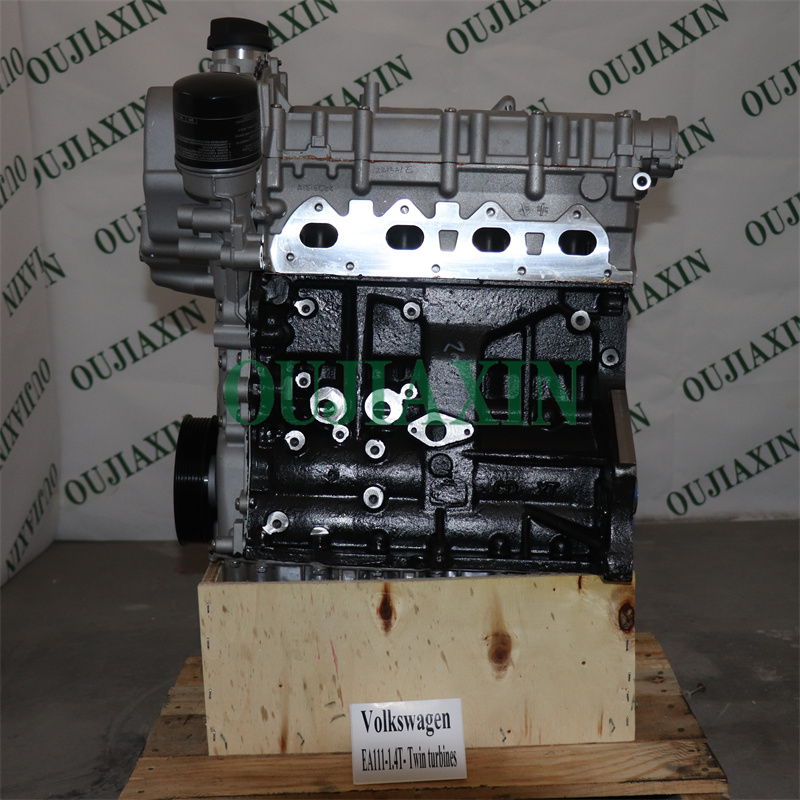
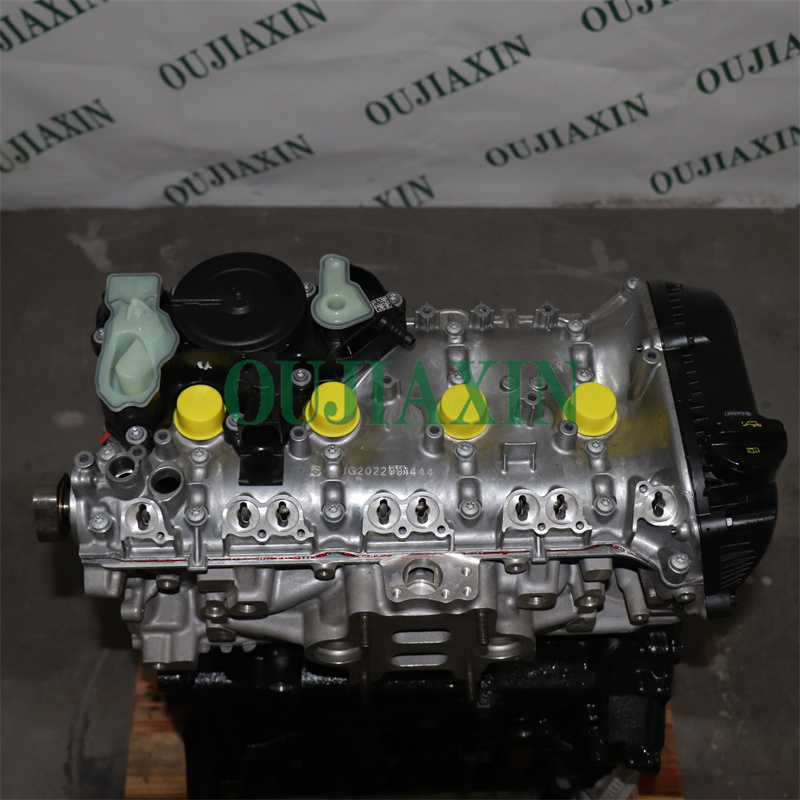
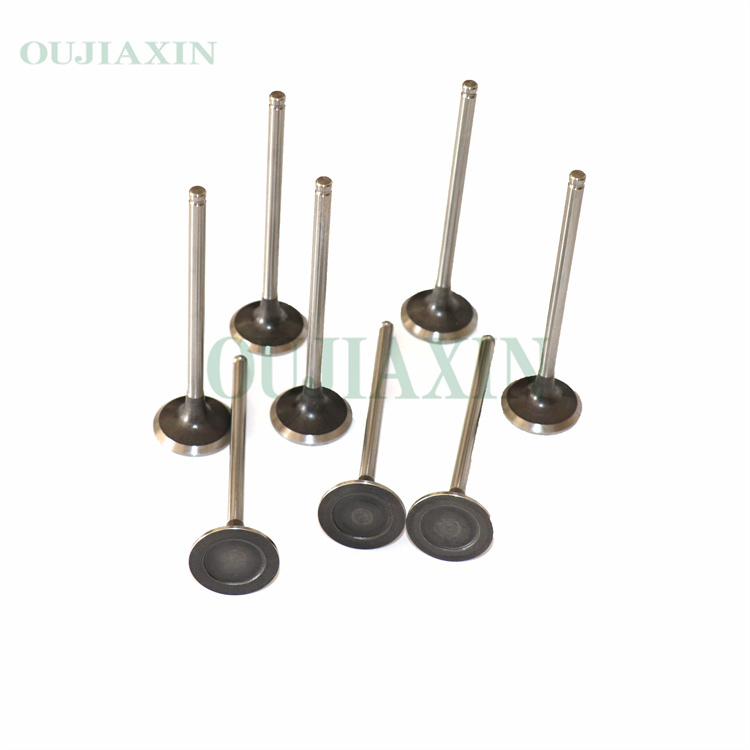
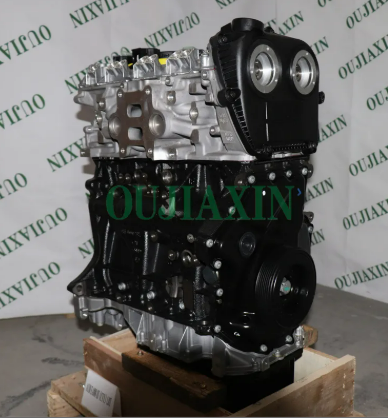
Okay, so what are we actually talking about here? Simply put, the engine cylinder head assembly is a major component that sits atop the engine block. It seals the cylinders, holds key parts like valves, spark plugs (in gasoline engines), fuel injectors (diesel engines), and passages for coolant and air.
This assembly manages the intake of air-fuel mix and exhaust outflow, working in perfect timing with pistons below. Without it, the engine wouldn’t breathe, and power would be impossible to generate efficiently. Beyond automotive, these assemblies have found use in industrial machinery, marine engines, and even power generators, meeting diverse operational needs.
Think of the engine cylinder head assembly as the “brain and lungs” of the combustion process — coordinating fuel, airflow, and combustion conditions with precision.
The cylinder head assembly faces extreme temperatures and pressures. Many engineers say that using advanced materials like lightweight aluminum alloys with heat-resistant coatings has revolutionized durability. These materials balance thermal conductivity and strength to avoid warping or cracking over time.
It’s all in the details. The tiny gaps where valves seal or the channels that cool the head demand machining at micrometer ranges. Insufficient precision leads to leaks and efficiency loss, so manufacturers use CNC machining and laser technology to keep tolerances razor-thin.
Given the high heat inside the combustion chamber, integrated cooling channels built directly into the head ensure optimal temperature control. Efficient thermal management helps improve combustion and extends the service life of parts. This also helps manufacturers meet emission norms by maintaining stable operating conditions.
Modern cylinder heads incorporate ports and passages designed to improve fuel atomization and reduce unburnt fuel. Coupled with catalytic converters and exhaust gas recirculation (EGR) systems, these designs help engines cut down on NOx and particulate matter.
Raw materials, machining complexity, and assembly time all impact cost. Producers balance performance with price by innovating on casting techniques and streamlining assembly lines — because at the end of the day, the market demands reliability without an exorbitant price tag.
| Specification | Details |
|---|---|
| Material | Aluminum alloy A319 with Nickel coating |
| Cooling Channel Design | Integrated serpentine coolant path |
| Valve Seats | Hardened steel inserts with laser-welded seals |
| Weight | about 7.5 kg (varies by model) |
| Operating Temperature Range | Up to 300°C (in combustion zone) |
The physical composition of an engine cylinder head assembly must juggle strength, heat, and precision — all within a compact, cost-effective package.
On the ground, manufacturers and operators in different regions face unique demands. For example:
These use cases show that flexibility and local context matter — not every assembly is “one size fits all.” Some specialists even customize aspects of the engine cylinder head assembly for niche operational needs.
Frankly, the advancements here aren’t just about making engines run smoother — they’ve got huge ripple effects:
There’s a human side too — think of truck drivers who depend on their vehicles daily, or farmers counting on machines when weather windows close. Trustworthy cylinder heads help keep livelihoods steady and roads safer.
In the lab and factories, engineers keep experimenting with new alloys, composite materials, and additive manufacturing (3D printing) to create parts that are lighter and stronger simultaneously. There’s also a push toward integrating sensors that monitor temperature and pressure in real-time — part of the “digital twin” phenomenon sweeping the industry.
From a policy angle, stricter emission standards globally are fast-tracking innovation. Plus, hybrid and hydrogen combustion engines require redesigned cylinder heads, some utilizing exotic materials like silicon carbide ceramics.
Oddly enough, the move to green energy isn’t making this part obsolete — if anything, it’s evolving it into something even more technical and vital.
No product’s perfect, right? Issues like thermal fatigue cracking, valve seat wear, and manufacturing defects still crop up. But solutions are evolving too: new coatings prevent corrosion, machine learning optimizes production parameters, and non-destructive testing techniques catch flaws earlier.
Furthermore, modular design principles allow easier replacement of worn parts, minimizing waste and service time.
| Vendor | Material Used | Weight Range (kg) | Typical Applications | Lead Time (weeks) | Price Level |
|---|---|---|---|---|---|
| AlphaEngine Co. | Aluminum alloy A319 | 6.5 – 8 | Automotive, light trucks | 4 | Mid |
| Beta Motors | Cast iron + thermal coating | 8 – 10 | Heavy trucks, construction | 6 | High |
| Gamma Engines | Aluminum-silicon composite | 5 – 7 | Generators, marine | 3 | Mid to Low |
At first glance, the engine cylinder head assembly might seem like just another mechanical part, but it’s truly central to engine performance, environmental sustainability, and industry evolution. R&D efforts continue to push its boundaries, yielding benefits not only for manufacturers but also for the end-users and society.
Whether you’re an engineer, fleet manager, or just an enthusiast, understanding the nuances of cylinder head assemblies opens a window into the heart of mechanical innovation.
If you want to dive deeper or explore actual products, visit our website: engine cylinder head assembly. Your engine deserves nothing less.