The car connecting rod – it’s easy to take for granted, isn’t it? But after years crawling under vehicles, seeing engines torn down and rebuilt, you realize it’s the unsung hero of the internal combustion engine. It's not glamorous work, but it's where you learn what really matters: reliability, power transfer, and keeping things running. Everything hinges on this component. A failure here means a stalled engine, potentially catastrophic damage, and a whole lot of downtime. We’re talking about more than just a piece of metal; we’re talking about someone’s livelihood, their ability to get to work, or just the freedom of the open road.
You quickly learn that in the automotive world, there's no room for shortcuts. Every part, down to the smallest bolt, has to be up to the task. And the connecting rod? That’s a seriously demanding task. It takes a beating, cycle after cycle. It needs to be strong, lightweight, and precisely manufactured. What surprised me early on was just how much innovation is packed into this seemingly simple part. The materials, the coatings, the forging processes – it’s all constantly evolving to meet the demands of higher-performance engines and stricter emissions standards.
From pick-up trucks to sports cars, the connecting rod is a critical link in getting power from the piston to the crankshaft. The demand for quality and durable connecting rods isn’t just about performance; it’s about safety and ensuring a long operational life for the vehicle. It’s a foundational piece of automotive technology, and the advancements in materials and manufacturing directly impact the efficiency and longevity of modern engines.
The Critical Role of the Car Connecting Rod
The car connecting rod is a fundamental component of any reciprocating engine. It transmits the force generated by the expanding gases in the cylinder to the crankshaft, converting linear motion into rotational motion. Without a robust and properly functioning connecting rod, an engine simply won't run efficiently, or at all. You see a lot of aftermarket upgrades focused on horsepower, but the real gains – the ones that last – often start with ensuring the foundational components like the connecting rod are up to the challenge.
From my experience, the quality of the connecting rod is directly related to the engine’s lifespan and overall performance. Cheap materials or poor manufacturing can lead to premature wear, fatigue, and ultimately, catastrophic engine failure. It’s a critical piece, and investing in a quality connecting rod is an investment in the longevity and reliability of the vehicle. You'll find high-performance rods crafted from forged steel or titanium alloys in racing applications, offering incredible strength-to-weight ratios. car connecting rod is the foundation.
Defining the Car Connecting Rod: A Vital Engine Component
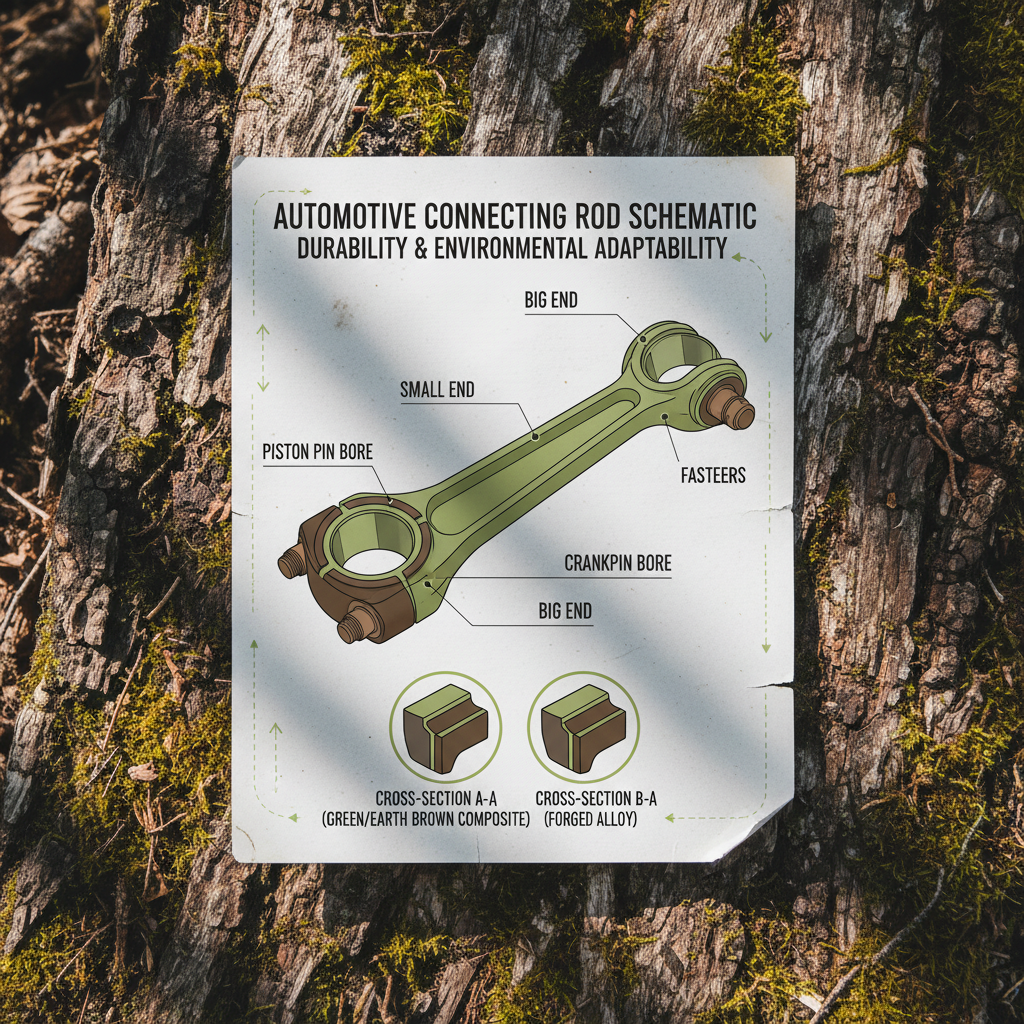
In its simplest form, a car connecting rod is a metal link connecting the piston to the crankshaft. It’s subjected to immense stresses during engine operation – both tensile and compressive forces – and must withstand these forces repeatedly without fatigue. It needs to be incredibly precise in its dimensions to ensure smooth engine operation and minimize vibrations. The top end connects to the piston via a piston pin, while the bottom end attaches to the crankshaft journal.
The design and materials used in a connecting rod are directly influenced by the engine's intended application. A heavy-duty diesel engine requires a significantly stronger connecting rod than a small gasoline engine in a compact car. Modern connecting rods often feature advanced coatings to reduce friction and improve durability. This isn’t just about engineering; it's about understanding the specific demands placed on the engine in real-world conditions, from city driving to off-road adventures.
The car connecting rod’s relevance goes beyond simple transportation. Efficient engines, powered by reliable connecting rods, contribute to reduced emissions and fuel consumption, aligning with global sustainability efforts. Its role in powering agricultural machinery, construction equipment, and various industrial applications underscores its importance to modern industry and economic productivity.
Key Factors Influencing Connecting Rod Performance
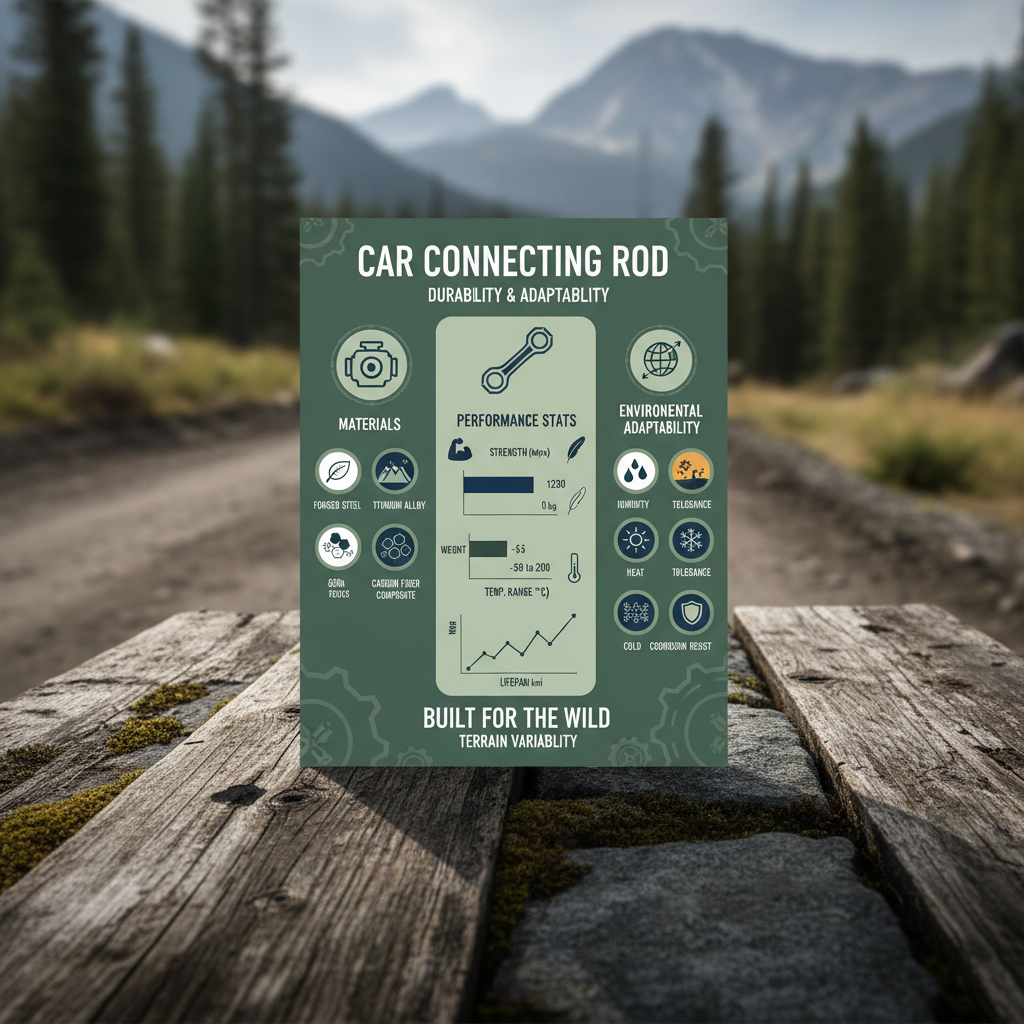
Several key factors determine the performance and reliability of a car connecting rod. Firstly, material strength is paramount. Forged steel is a common choice due to its high tensile strength and fatigue resistance. Titanium alloys offer even higher strength-to-weight ratios but come at a higher cost. Secondly, weight reduction is crucial. Lighter connecting rods reduce reciprocating mass, allowing the engine to rev more freely and improve responsiveness.
Thirdly, precision manufacturing is essential. Tight tolerances and accurate machining ensure proper alignment and minimize friction. Any imperfections can lead to premature wear and failure. I’ve seen engines ruined by connecting rods that were just a hair off in their dimensions. Fourth, surface finish plays a critical role. Smooth surfaces minimize friction and reduce wear on the piston pin and crankshaft journal. Lastly, balancing is vitally important to ensure smooth engine operation and reduce vibrations.
Beyond these material and manufacturing aspects, proper lubrication is absolutely crucial. A well-lubricated connecting rod bearing minimizes friction and prevents wear. Regular oil changes and the use of high-quality oil are essential for maintaining connecting rod health. Ignoring this simple maintenance step can lead to expensive repairs down the line. car connecting rod quality is dependent on all of these factors.
Global Applications and Use Cases of Connecting Rods
Connecting rods aren’t limited to passenger vehicles. You’ll find them in a huge range of applications. Heavy-duty trucks and buses rely on exceptionally strong connecting rods to handle the constant stress of hauling heavy loads. Agricultural machinery, like tractors and combines, requires robust connecting rods to withstand the harsh conditions of farm work. Industrial engines used in power generation and construction equipment also depend on reliable connecting rods for continuous operation.
Globally, the demand for high-quality connecting rods is driven by the growing automotive industry, particularly in emerging markets like China and India. These regions are experiencing rapid economic growth and increasing vehicle ownership, leading to a higher demand for engine components. You also see significant demand in countries with large agricultural sectors. The United Nations projects continued growth in global food demand, which will further drive demand for agricultural machinery and, consequently, connecting rods.
Furthermore, the marine industry utilizes connecting rods in ship engines and powerboats. Even smaller applications, like motorcycles and all-terrain vehicles (ATVs), rely on these critical components. In remote industrial zones, where access to parts and maintenance is limited, the reliability of the connecting rod becomes even more crucial. The ISO 9001 quality management standard is widely adopted by connecting rod manufacturers to ensure consistent quality and reliability across all applications.
Connecting Rod Performance Metrics
Advantages and Long-Term Value Proposition
Investing in high-quality car connecting rods translates to tangible benefits. Cost savings are a major factor. A durable connecting rod minimizes the risk of engine failure, reducing expensive repair bills and downtime. Sustainability is another key advantage. Longer-lasting parts mean less frequent replacements, reducing waste and the environmental impact of manufacturing.
From a social impact perspective, reliable engines powered by quality connecting rods contribute to economic stability by ensuring uninterrupted transportation and industrial operations. The peace of mind knowing your vehicle is dependable is also a valuable benefit. It's about trust—trust in the quality of the component and the integrity of the manufacturer. car connecting rod isn't just a part, it's an assurance.
Future Trends and Innovations in Connecting Rod Technology
We're seeing exciting developments in connecting rod technology. Additive manufacturing (3D printing) is emerging as a viable option for creating complex connecting rod designs with optimized weight and strength. New materials, like carbon fiber composites, are being explored for their potential to further reduce weight without sacrificing durability.
Digital twin technology is also gaining traction. Creating a virtual replica of the connecting rod allows engineers to simulate real-world conditions and optimize designs before physical prototypes are even built. The drive towards greater fuel efficiency and reduced emissions is also fueling innovation in connecting rod coatings and surface treatments to minimize friction. All of this aligns with the broader trend of Industry 4.0 and the increasing use of data-driven optimization in manufacturing.
Challenges and Solutions in Connecting Rod Manufacturing & Application
One of the biggest challenges in connecting rod manufacturing is maintaining tight tolerances and consistent quality. Even slight variations can significantly impact performance and reliability. Another challenge is managing the cost of high-performance materials like titanium. Finding ways to reduce manufacturing costs without compromising quality is a constant pursuit.
To address these challenges, manufacturers are investing in advanced machining technologies, automated inspection systems, and robust quality control procedures. The implementation of lean manufacturing principles helps streamline production processes and reduce waste. Collaboration between material scientists, engineers, and manufacturers is also crucial for developing innovative solutions.
Furthermore, proper installation and maintenance are often overlooked. Providing clear instructions and training to mechanics is essential for ensuring that connecting rods are correctly installed and maintained, maximizing their lifespan and preventing premature failures. A proactive approach to maintenance, including regular inspections and lubrication, is key to avoiding costly repairs.
Summary of Connecting Rod Quality Control Metrics
| Material Composition |
Manufacturing Precision |
Surface Finish Quality |
Fatigue Resistance Testing |
| Forged Steel (Carbon Content) |
Dimensional Accuracy (µm) |
Surface Roughness (Ra) |
Cycles to Failure (x10^6) |
| Titanium Alloy (Ti-6Al-4V) |
Concentricity (mm) |
Hardness (HRC) |
Stress Concentration Factor |
| Cast Iron (Grade) |
Straightness (mm) |
Residual Stress (MPa) |
Impact Strength (J) |
| Powdered Metal (Density) |
Runout (µm) |
Corrosion Resistance (hrs) |
Creep Resistance (MPa) |
| Billet Aluminum (Alloy) |
Taper (mm) |
Coating Thickness (µm) |
Fracture Toughness (MPa√m) |
| Composite Materials (Fiber Ratio) |
Surface Waviness (µm) |
Thermal Conductivity (W/mK) |
Damping Coefficient |
FAQS
The lifespan of a car connecting rod varies greatly depending on driving conditions, engine maintenance, and the quality of the rod itself. Under normal driving conditions with regular maintenance (oil changes, etc.), a high-quality forged steel connecting rod can easily last over 100,000 miles, often exceeding the lifespan of the engine itself. However, aggressive driving, prolonged periods of high RPMs, or lack of maintenance can significantly shorten its lifespan. Regular inspection during engine servicing is recommended.
Generally, a bent connecting rod is not safely repairable. The stresses it undergoes are immense, and even a slight bend can compromise its integrity, leading to catastrophic engine failure. Attempting to straighten a bent rod can alter its internal structure and weaken it further. Replacement is always the recommended course of action. The cost of replacing a bent connecting rod is far less than the cost of repairing an engine damaged by a failed rod.
Several symptoms can indicate a failing connecting rod bearing. A knocking sound emanating from the engine, especially during acceleration, is a common sign. This sound often gets louder as engine speed increases. Other symptoms include reduced oil pressure, metallic flakes in the oil, and increased engine vibration. Ignoring these signs can lead to severe engine damage.
Forged connecting rods are made from a single piece of metal that's been shaped under extreme pressure, resulting in a stronger, more durable part. Cast connecting rods are created by pouring molten metal into a mold. Forged rods are generally preferred for high-performance applications due to their superior strength and fatigue resistance. Cast rods are typically used in less demanding applications where cost is a primary concern.
Balancing the connecting rods is critically important for smooth engine operation and minimizing vibrations. Even slight weight differences between rods can cause imbalances, leading to increased stress on the crankshaft and bearings. Proper balancing ensures that all connecting rod assemblies weigh the same, contributing to a more efficient and reliable engine.
Titanium connecting rods offer a significant weight reduction compared to steel rods, allowing for higher engine RPMs and improved performance. However, they are significantly more expensive. They are typically only worthwhile for high-performance applications, such as racing engines, where the benefits of reduced weight outweigh the cost. The weight savings translate directly to improved engine responsiveness and horsepower.
Conclusion
The car connecting rod, despite being a relatively unassuming component, is absolutely critical to the performance, reliability, and longevity of any internal combustion engine. From its core function of transferring power to the innovations in materials and manufacturing, the connecting rod has constantly evolved to meet the demands of a changing automotive landscape. Investing in quality connecting rods is not just about preventing breakdowns; it’s about ensuring a smooth, efficient, and sustainable driving experience.
Looking ahead, the future of connecting rod technology will likely be shaped by advancements in additive manufacturing, new materials, and data-driven optimization. Embracing these innovations will be essential for meeting the challenges of increasing engine performance, reducing emissions, and improving fuel efficiency. If you're seeking premium, reliable car connecting rods for your engine build or repair, explore the options available at www.oujiaengine.com.