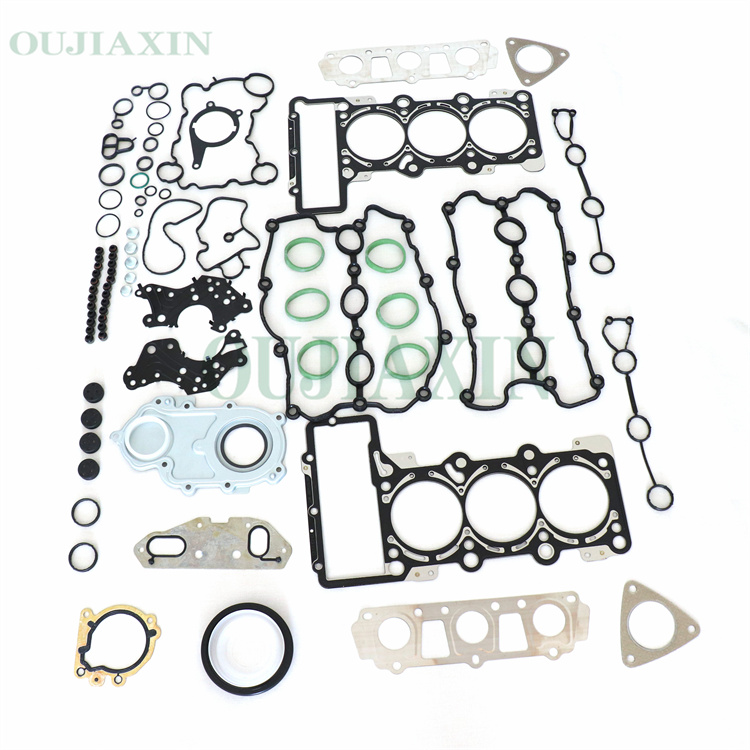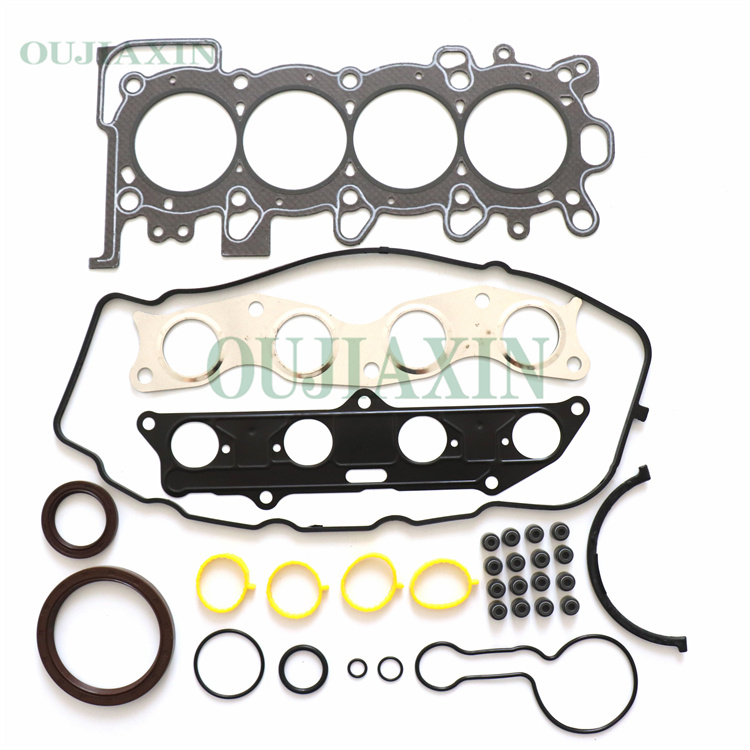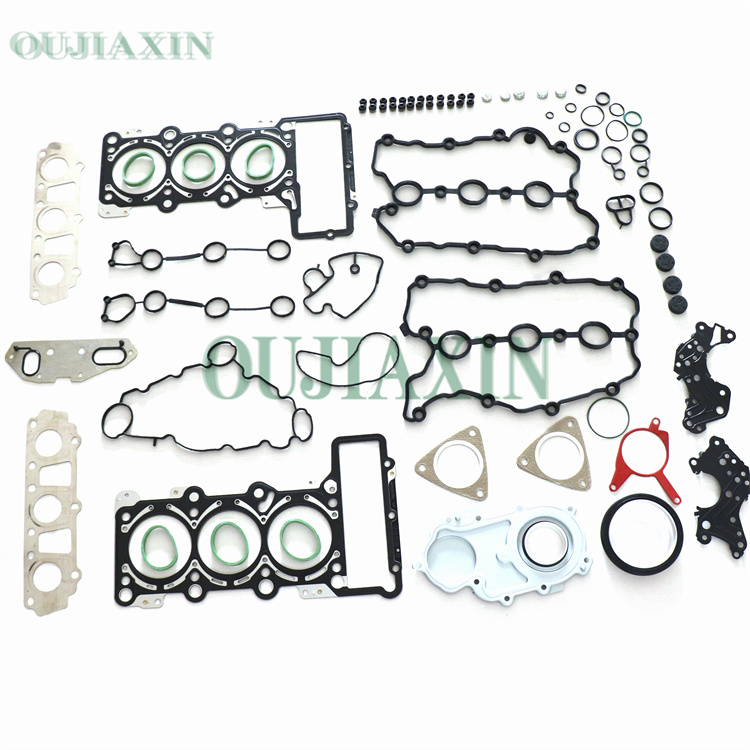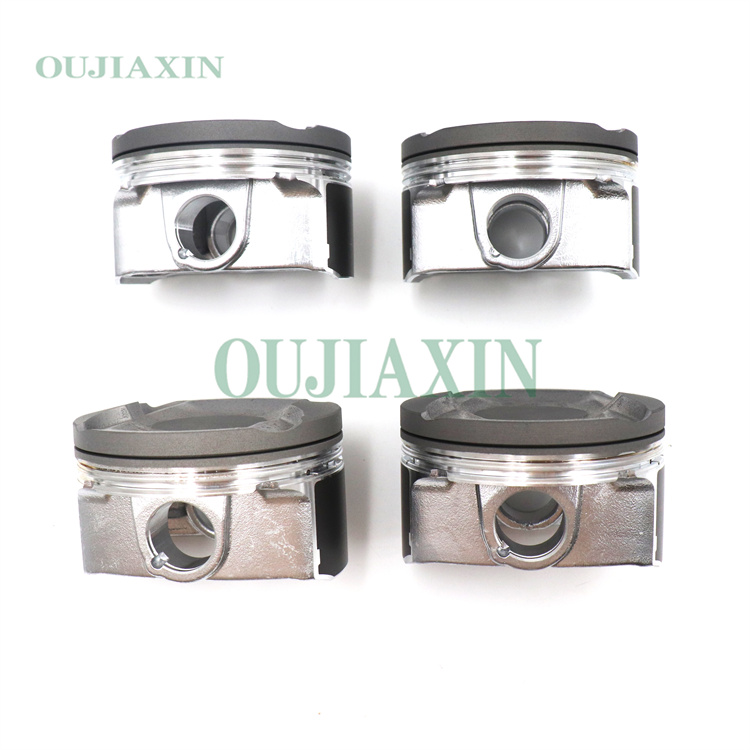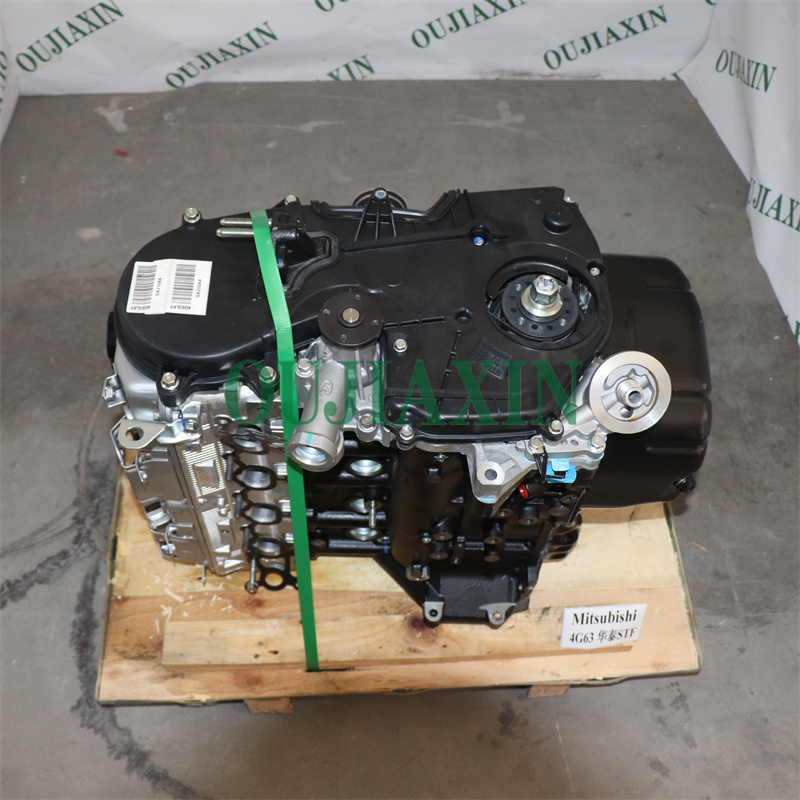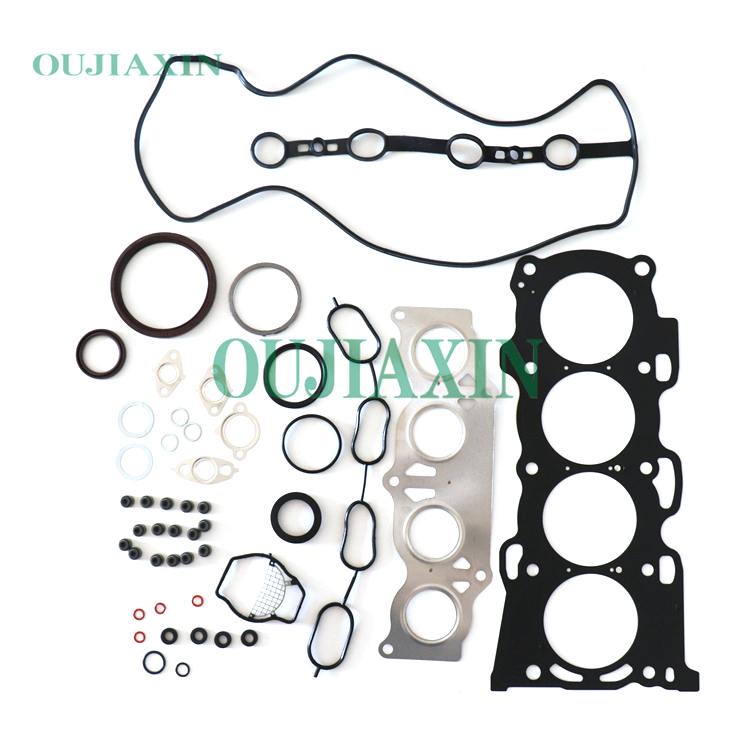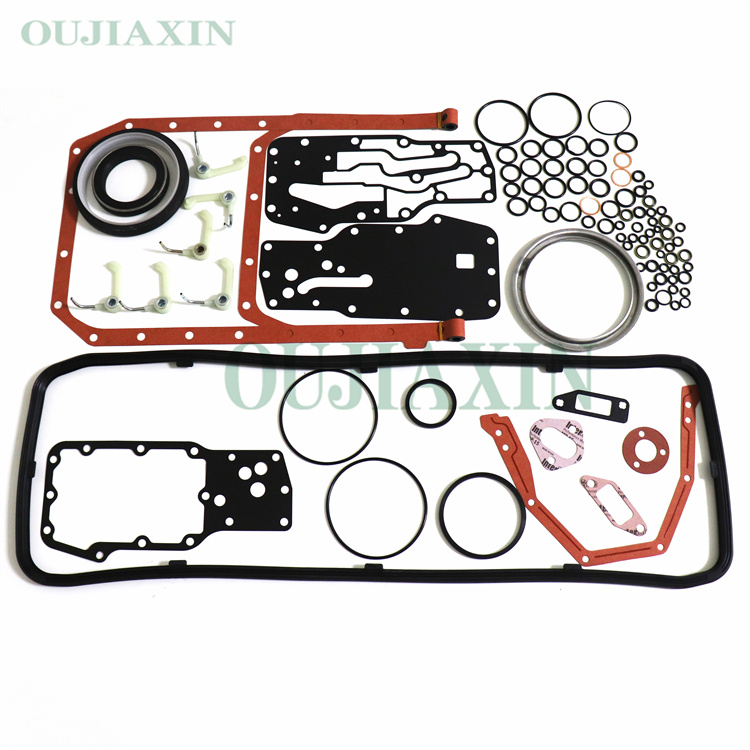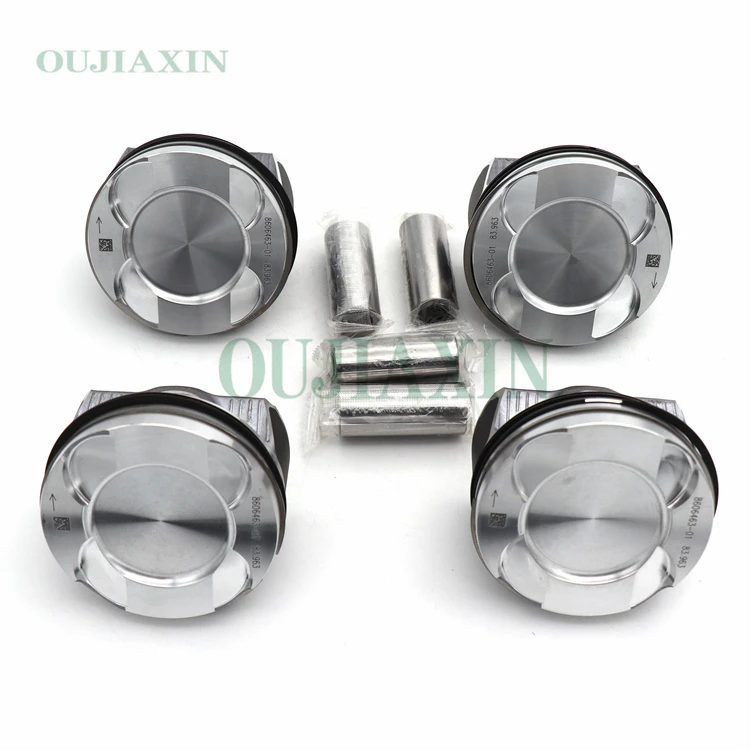
At first glance, head bolts might seem like just tiny, metallic elements lost in the machinery of industry. But here’s the thing: these little fasteners hold the key to safety, durability, and performance across a staggering range of applications worldwide. From the engines powering global transportation to the vast infrastructure supporting clean energy initiatives, head bolts are vital – and getting them right matters more than you’d imagine. In this article, we’ll break down what head bolts really are, why they matter globally, and what innovations are shaping their future.
When you take a moment to consider the scale of industrial manufacturing, automotive production, and energy generation worldwide, it’s clear that secure mechanical fastening is a backbone of global infrastructure. According to the International Organization for Standardization (ISO), billions of fasteners are produced annually, many of which are specialized head bolts designed for critical applications.[1]
The challenge? In many sectors, mechanical failures can be catastrophic, causing safety hazards and costly downtime. Head bolts help mitigate these risks — but only when their design, material, and installation align precisely with operational demands. In industries as diverse as aerospace, automotive, or heavy machinery, the specification of head bolts directly impacts performance and safety.
Takeaway: Though small, head bolts are a cornerstone of global industrial safety and efficiency, with billions in circulation and critical functions worldwide.
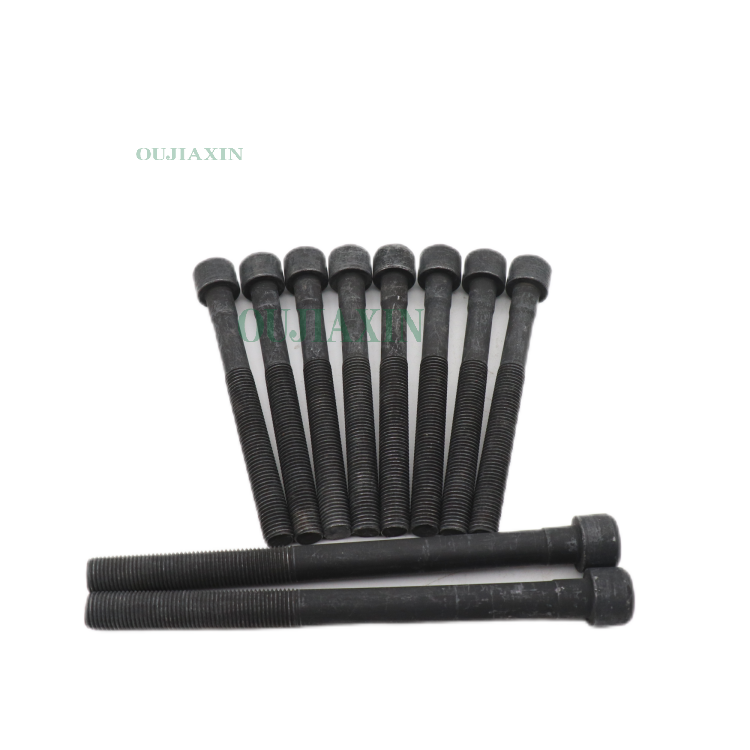
Simply put, head bolts are fasteners designed to secure the cylinder head to the engine block, or in broader terms, to bolt two critical surfaces together under intense pressure. Unlike regular bolts, head bolts often operate under high temperatures, vibrations, and stress – meaning they must have a balance of strength, flexibility, and corrosion resistance.
Their role extends beyond just engines. For example, in heavy machinery, power generation plants, and construction equipment, head bolts ensure the precise alignment and endurance of joined components.
Oddly enough, these humble bolts link modern industry to some bigger humanitarian elements—think safer transportation, durable infrastructure, and cleaner energy—all essentials for sustainable development.
Durability isn’t just buzzword fluff here. Head bolts must withstand intense thermal cycling and mechanical stress. Materials like high-grade alloy steel or titanium are common to ensure long-lasting performance under aggressive conditions.
Tight tolerances are key—especially when you consider the sealing requirements in engines. A head bolt too loose or overtightened can cause leaks, decreased efficiency, or even component damage. Precision machining and quality control during manufacturing directly affect this.
Exposure to fluids like coolant, oil, or moisture demands anti-corrosion coatings or inherently resistant materials. This prevents weakening and failure over time.
Not every job calls for aerospace-grade alloys – so cost efficiency balanced with performance is pivotal, especially for mass production applications such as automotive engines.
Industries demand various sizes, thread types, and head configurations. Manufacturers often offer customizable head bolts to fit unique assembly requirements, enabling scalability across diverse sectors.
Mini takeaway: The best head bolts blend toughness, precision, and corrosion protection, all without breaking the bank.
Now, where exactly do these bolts see action? You’ll find them head bolts used everywhere from automotive manufacturing plants in Germany to power stations across Asia. For instance:
Summary: From engines to turbines, and even emergency setups, head bolts hold the pulse of numerous industries and critical services worldwide.
Frankly, investing in premium head bolts pays off in multiple ways. Beyond obvious cost savings from fewer breakdowns, there’s this intangible trust engineers and operators develop when their assemblies don’t fail unexpectedly.
They bring safety — preventing catastrophic leaks or mechanical failures. Sustainability — because longer-lasting components mean less waste and lower resource consumption. And innovation — as better fastening allows manufacturers to push machinery performance without compromising reliability.
It’s also about dignity and human safety; after all, secure engines power ambulances, trains, and clean energy turbines keeping lights on worldwide.
| Specification | Typical Values | Notes |
|---|---|---|
| Material | Alloy Steel (Grade 8.8-12.9), Titanium | Depends on application requirements |
| Diameter | M8 to M20 (metric) | Custom sizes also available |
| Length | 50mm - 200mm | Varies per engine design |
| Thread Pitch | Standard ISO metric pitch (1.25mm typical) | Ensures compatibility with existing components |
| Tensile Strength | 800 - 1200 MPa | Critical for engine durability |
| Coating | Zinc/Nickel Plating, Phosphate | Corrosion resistance |
| Vendor | Material Options | Customization | Global Reach | Price Range |
|---|---|---|---|---|
| Alpha Fasteners Inc. | Alloy Steel, Titanium | High | Europe, Asia, Americas | $$$ |
| BoltMasters Ltd. | Alloy Steel | Medium | North America, Europe | $$ |
| EcoFast Solutions | Recycled Steel, Low Alloy | Medium | Global | $ |
The future isn’t just about making head bolts tougher — it’s about smarter, greener, and more adaptable options. Engineers are exploring advanced alloys that reduce weight while maintaining tensile strength, perfect for the green energy sector where every ounce counts. Coatings are improving dramatically too — think nano-coatings that resist corrosion without toxic chemicals. There’s also digital integration: sensors embedded in bolts to monitor tension or wear in real time, an emerging feature that could revolutionize maintenance.
Automation in manufacturing means faster production of custom-sized bolts, cutting lead times for OEMs. And with sustainability gaining traction globally, recycled materials and eco-friendly processing are becoming the norm rather than exceptions.
Not every bolt fits every job – literally. One recurring issue is improper installation leading to under/over-torqued bolts, which can cause premature failure. To combat this, smart torque tools and better training help operators get it right.
Another challenge is balancing cost and performance. High-spec bolts can price out smaller manufacturers. Thankfully, innovations in materials allow mid-range options to meet many specs, democratizing access without costly trade-offs.
To sum up, head bolts might be small players in huge systems, yet they carry enormous responsibility. From keeping engines humming to safeguarding critical infrastructure, their quality and design ripple across global industries. Choosing the right head bolt doesn't just improve machinery performance; it promotes safety, sustainability, and trust — values every engineer and manufacturer should champion.
Curious to find top-grade head bolts tailored for your needs? Visit our website and explore our comprehensive offerings that combine quality, customization, and industry expertise.
References:
1. ISO - Fasteners standards. iso.org
2. Wikipedia contributors, "Bolt," Wikipedia, The Free Encyclopedia, en.wikipedia.org
3. World Bank, "Manufacturing, value added (%) of GDP," data.worldbank.org