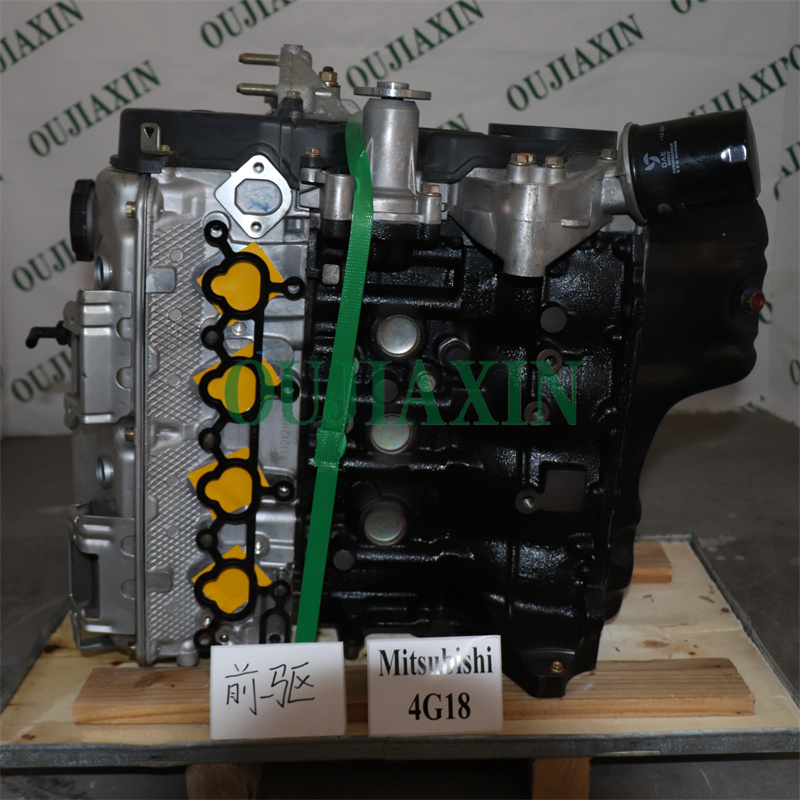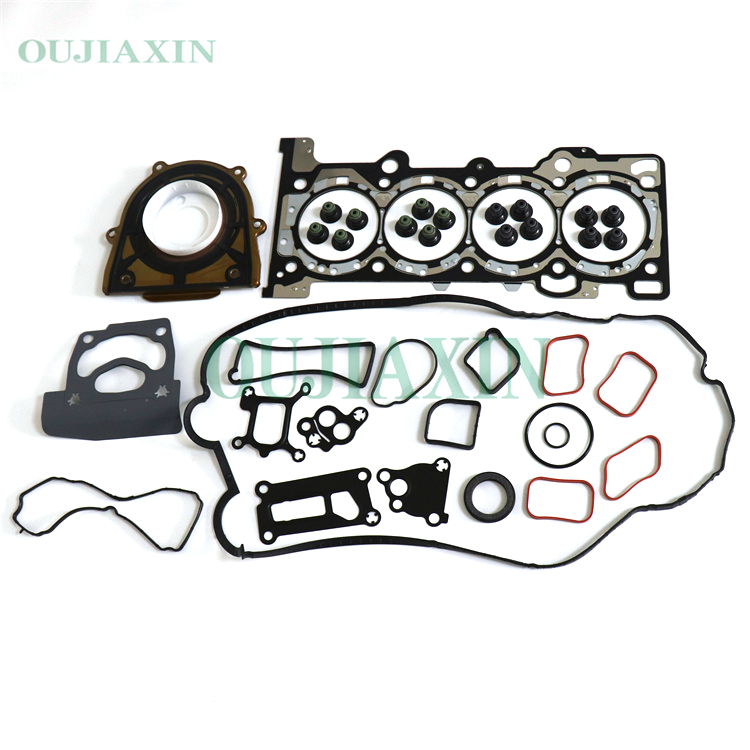



If you’re into engines or industrial machinery, chances are you’ve heard the term head gasket assembly thrown around. But why should anyone beyond mechanics care about this tiny but mighty component? Well, the head gasket assembly plays a crucial role in maintaining the integrity of combustion engines, which power everything from vehicles to heavy equipment used globally. Without effective gasket assemblies, engines overheat, leak, or worse, seize up entirely — causing costly downtime and even delays in critical operations such as disaster relief or global shipping.
In an increasingly interconnected world, where efficiency and reliability often define success, understanding head gasket assemblies isn’t just for the gearheads. It’s for anyone interested in sustainability, technological innovation, and safety across multiple industries.
Globally, millions of engines rely on durable head gasket assemblies. According to the International Organization for Standardization (ISO), standards for engine components are critical to ensure consistency and safety in manufacturing worldwide.[1] The World Bank estimates over 1 billion vehicles are in operation worldwide, with many industrial machines using similar engine layouts.[2]
The problem? Head gasket failure ranks high in engine maintenance issues — particularly where operating conditions are harsh and downtime costly. Seals may degrade with heat, corrosion, or sheer wear and tear. This is why head gasket assembly advancements promise reduced maintenance and improved environmental outcomes, as leaks and emissions directly relate to seal quality.
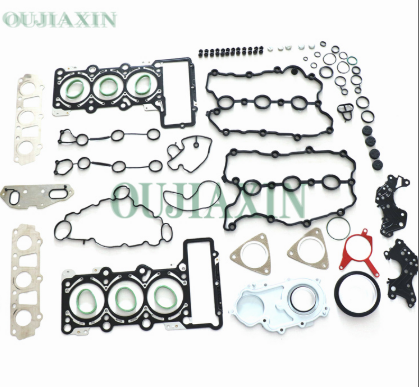
In simple terms, a head gasket assembly is the seal between the engine block and cylinder head in an internal combustion engine. Imagine it as a precision-crafted “bridge” that keeps coolant, oil, and combustion gases separate while maintaining engine compression. Without this delicate balance, engines simply can’t function efficiently — or safely.
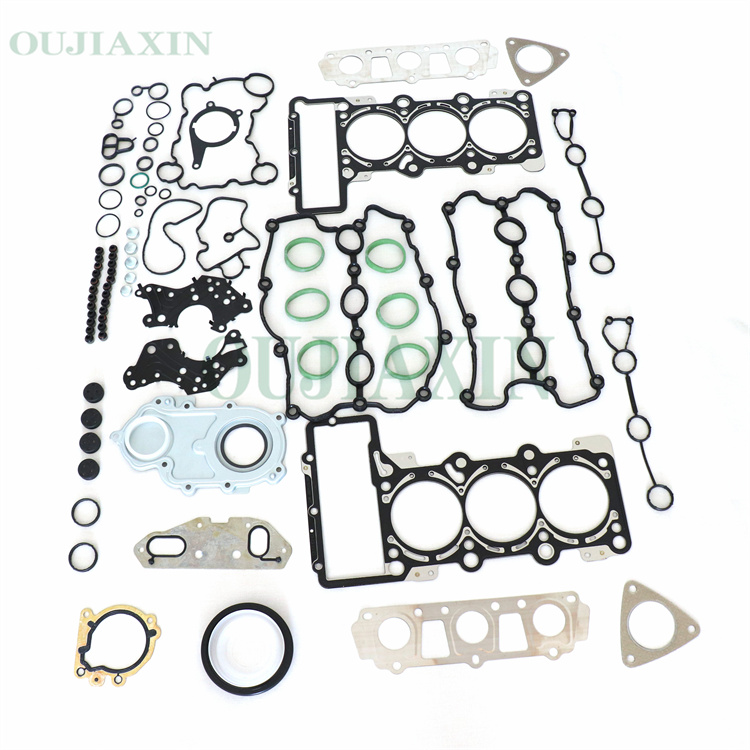
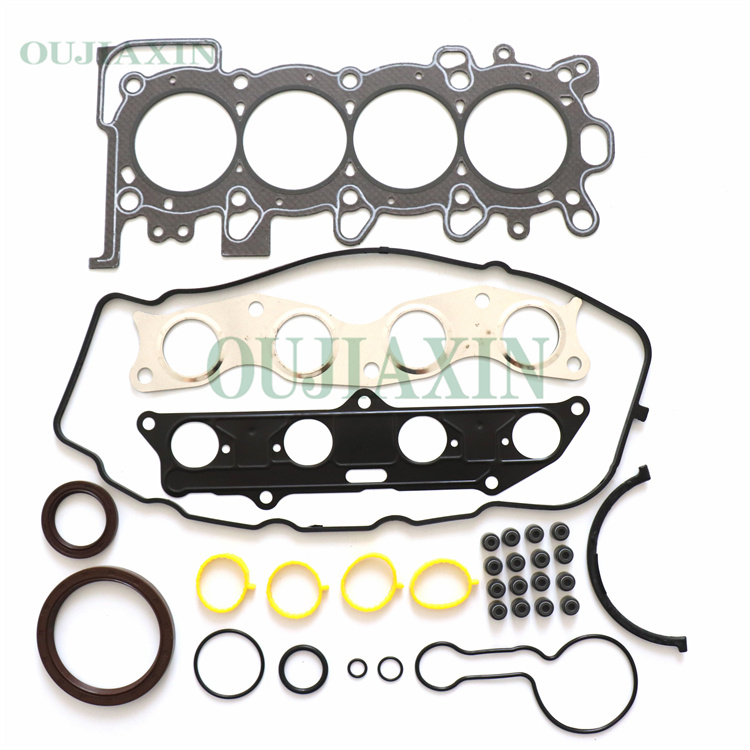
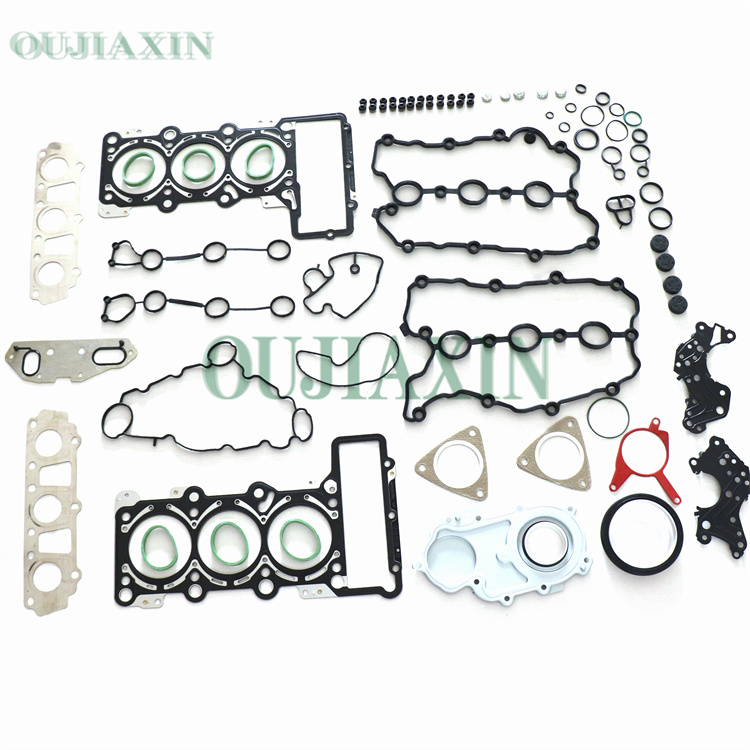
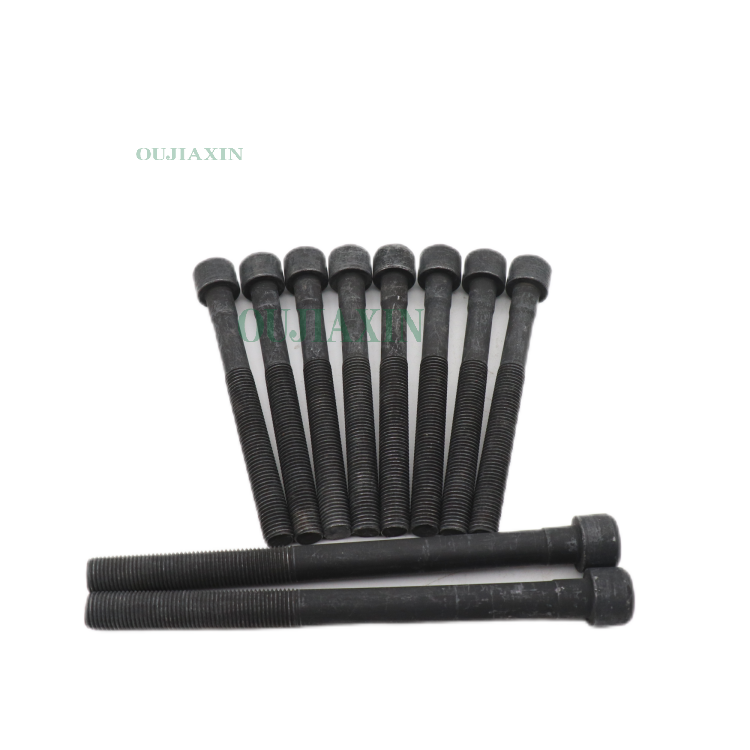
The assembly often comprises the gasket itself, bolts, and sometimes additional sealing components engineered to fit a particular engine model. In modern industry, this deceptively simple part supports everything from everyday passenger cars to heavy-duty trucks and even power generation sets. Its precise role ties directly into humanitarian logistics too — think reliable engines powering relief convoys or emergency power plants.
Most assemblies are made of multi-layer steel (MLS), composite materials, or elastomeric polymers. Each material choice affects resilience to heat and pressure, affecting lifespan and maintenance needs.
Engines generate high temperatures, so the gasket must withstand heat without warping or degrading. Innovations in coatings and composites have boosted thermal endurance considerably.
This refers to the assembly’s ability to maintain an airtight and liquid-tight barrier over thousands of miles or hours. Leak prevention is key to engine safety and performance.
Even the best gasket can fail if improperly installed. Head gasket assemblies are now designed with features that simplify alignment and mounting – cutting human error on the production line or during maintenance.
The head gasket assembly is where materials science meets precise engineering — its components and design directly impact engine reliability and efficiency.
Beyond private passenger vehicles, head gasket assemblies have enormous influence in:
For example, in post-disaster relief operations, where heavy machinery must run continuously with minimal downtime, a high-quality head gasket assembly can be the difference between seamless aid delivery and halted logistics.
It’s not just logic — there’s an emotional element too. A reliable engine means peace of mind for drivers, operators, and businesses who depend on their equipment every day. After all, who wants to be stranded because of something as seemingly small as a gasket failure?
| Specification | Details |
|---|---|
| Material | Multi-layer steel (MLS) with elastomer coating |
| Operating Temperature | Up to 600°C (1112°F) |
| Pressure Resistance | Up to 300 psi |
| Thickness | 0.6 – 1.3 mm depending on engine type |
| Chemical Resistance | Resistant to oil, coolant, and fuel additives |
| Bolt Torque Compatibility | Designed for 80-110 Nm tension |
| Vendor | Global Reach | Material Innovation | Average Warranty (years) | Typical Price Range |
|---|---|---|---|---|
| SealTech Industries | North America, Europe, Asia | Advanced MLS coatings | 5 | $$$ |
| GlobalGasket Solutions | Europe, Africa, South America | Composite-elastomer blends | 4 | $$ |
| EcoSeal Technologies | Asia-Pacific, Middle East | Bio-based polymer infusions | 3 | $ |
If you think head gasket assemblies are just static parts, think again. Recent innovations target sustainability and digital precision:
Frankly, the evolution of these components mirrors broader industry focus on digital transformation and reducing carbon footprints.
Challenges include variability in engine designs, difficulty in perfect installation, and premature wear in extreme environments. However, experts rely on:
A1: Signs include coolant leaks, engine overheating, white smoke from the exhaust, or loss of compression. Any such symptoms warrant a professional inspection promptly to avoid major engine damage.
A2: Quality aftermarket products can be equally reliable if sourced from reputable vendors. It's essential to check material specifications and warranty terms. OEM remains the safer choice for complex or newer engines.
A3: Yes, superior sealing reduces gas leakage and maintains optimal compression, indirectly improving fuel economy and reducing emissions over time.
A4: Material type, engine compatibility, brand reputation, and inclusion of installation kits all influence price. Engine size and complexity also matter—the bigger or more high-performance, the pricier the gasket assembly.
A5: Harsh environments like extreme heat, salty marine air, or dust can accelerate gasket wear. Selecting assemblies with coatings and materials tailored for such conditions prolongs life and reliability.
All said, the humble head gasket assembly continues to punch well above its weight. It’s a small part with huge responsibility, critical to the smooth running of engines powering everything from daily commutes to emergency aid. Investing in quality assemblies means less downtime, fewer emissions, and safer journeys. So next time you hear about a "gasket failure," you’ll know it's more than just a mechanic’s headache — it’s a challenge affecting industries and lives worldwide.
For those wanting to dig deeper or shop trusted products, visit our site at head gasket assembly for a range of solutions and expert advice.