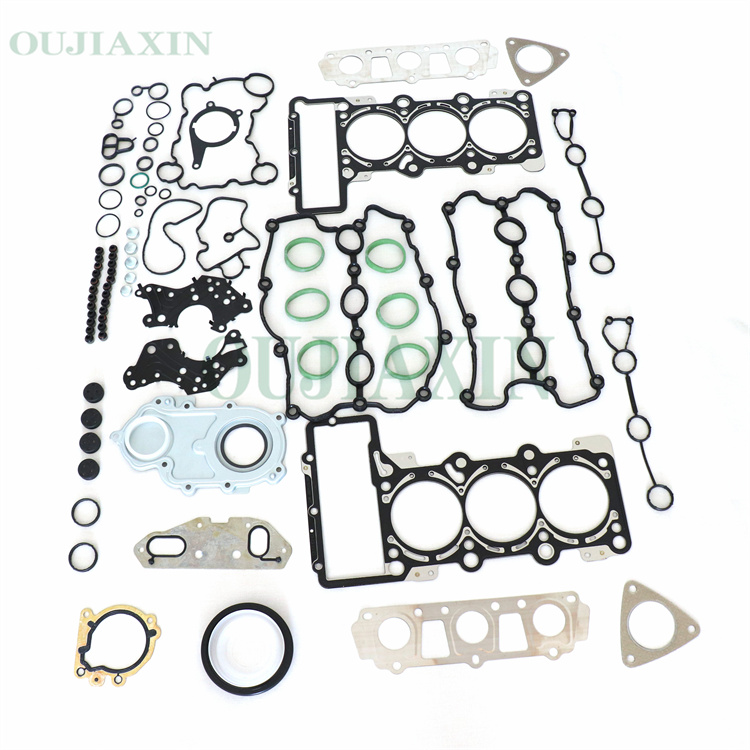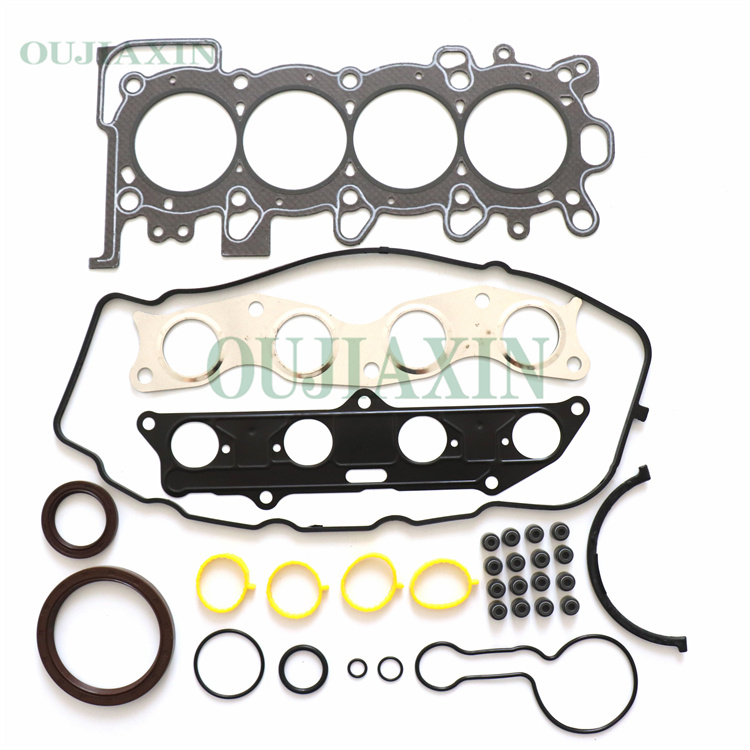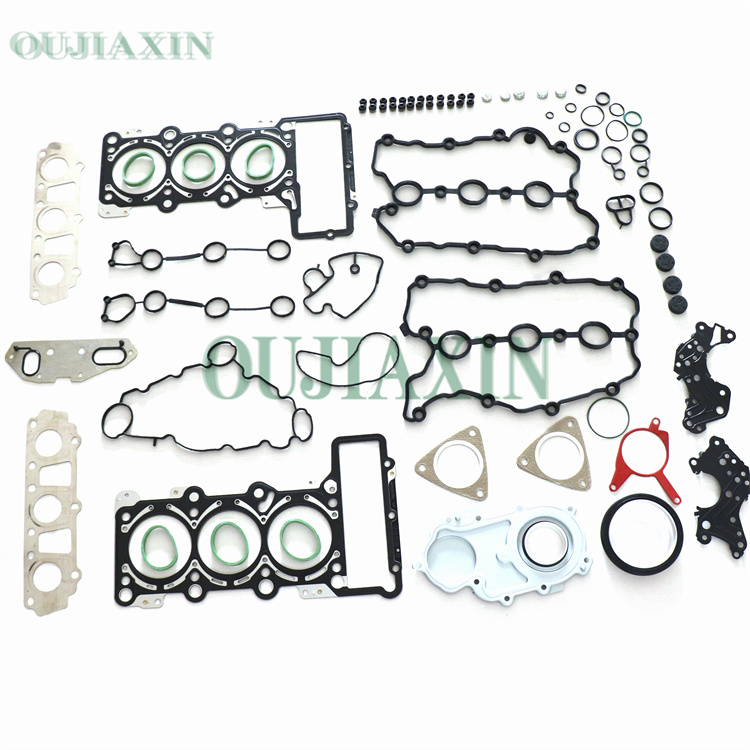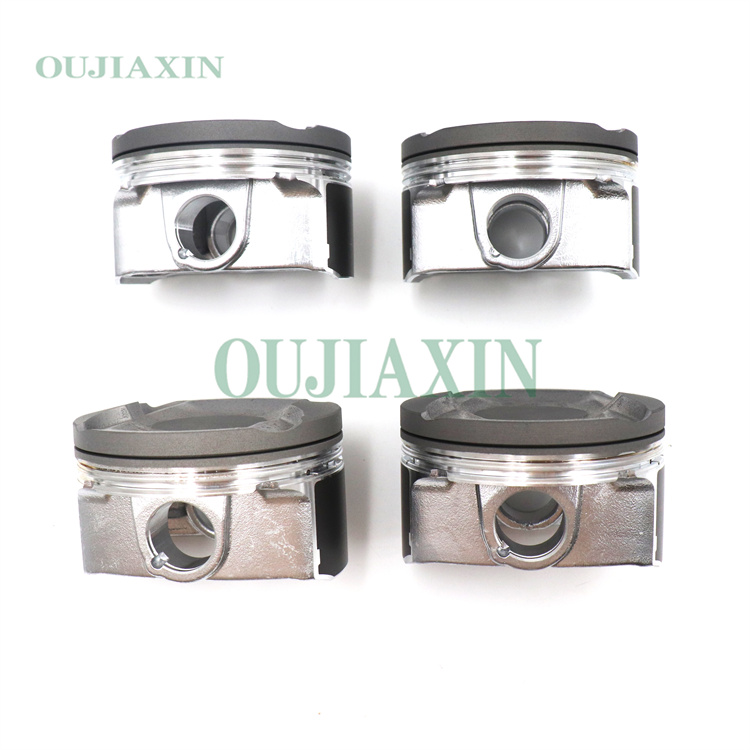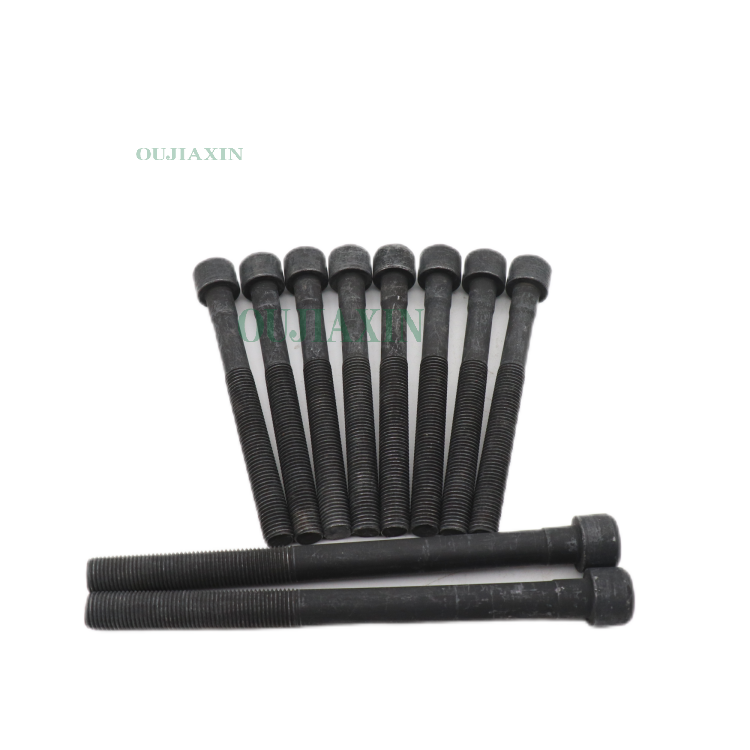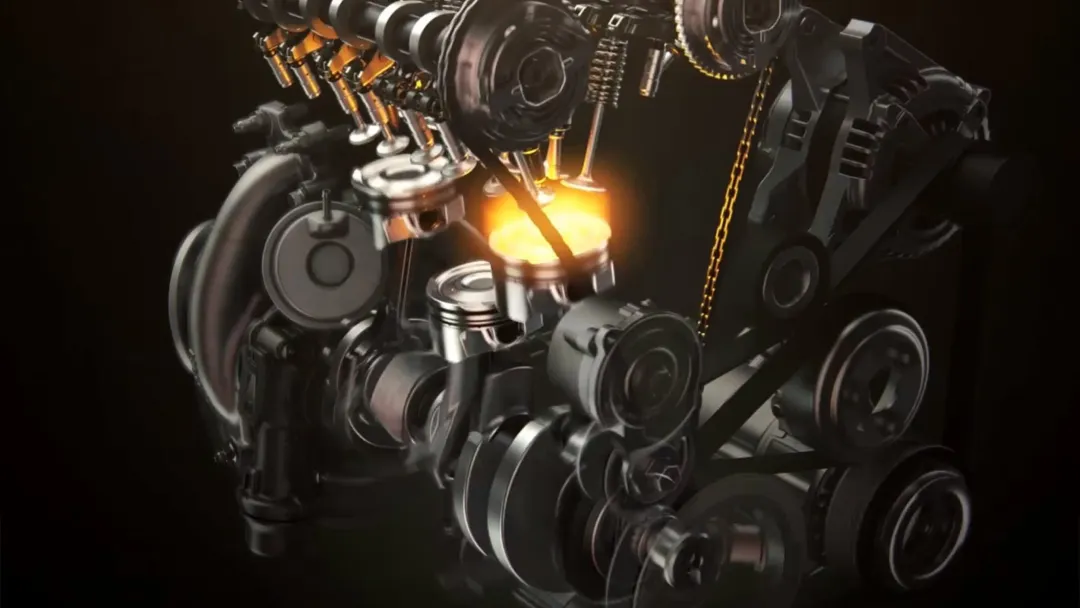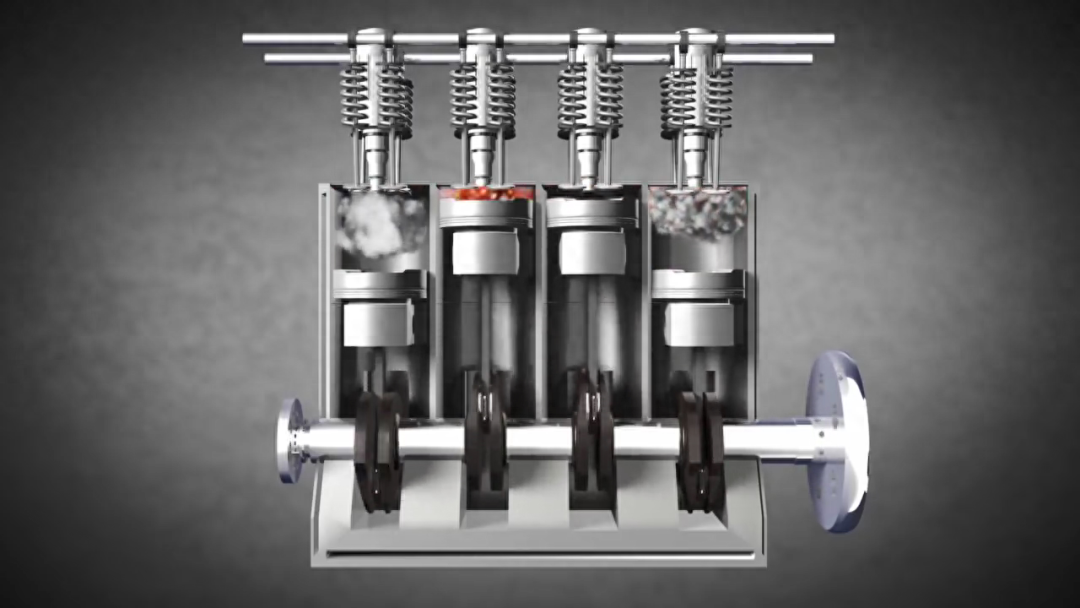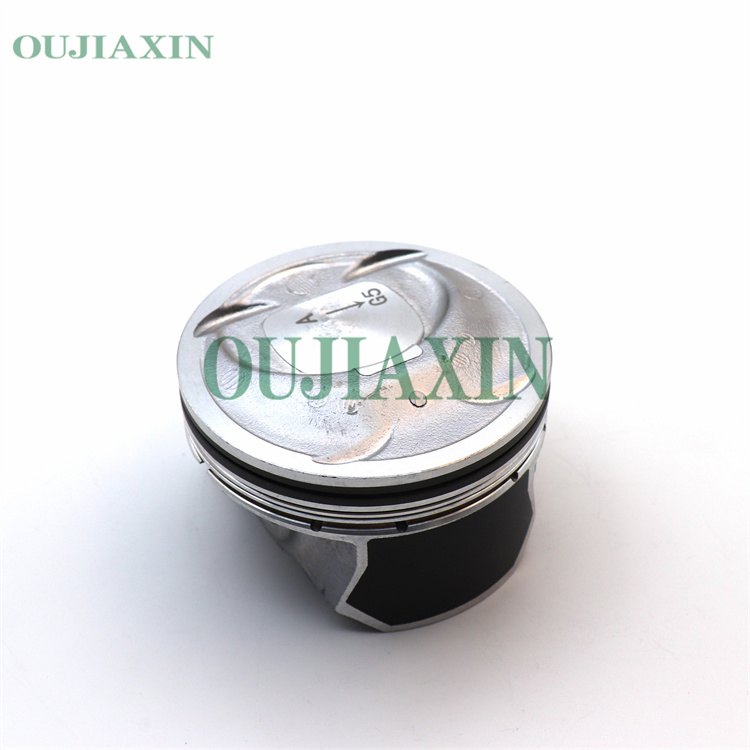

Having spent a good chunk of my life around engines and heavy equipment, I can tell you — engine gasket kits might not be the flashiest topic, but they’re absolutely vital. Every time a technician pulls apart an engine, it’s this little collection of seals that ensures everything stays tight, leak-free, and working in harmony. If you’ve never had to replace a gasket kit before, it might seem trivial, but trust me, a faulty gasket can turn a routine job into a massive headache — engine overheating, oil leaks, or worse.
Engine gasket kit components have come a long way in recent years. Gone are the days when you’d settle for something “close enough.” Now, manufacturers focus heavily on high-quality materials, precision cutting, and thorough testing. For example, the rise of multi-layer steel (MLS) gaskets and composite materials has improved durability under the most extreme temperature and pressure swings. When you’re running large industrial engines day in, day out, this kind of performance boost makes a tangible difference.
Oddly enough, I’ve noticed many engineers still lean towards traditional materials due to familiarity, but newer designs tend to offer better sealing, especially for turbocharged or high-performance engines. You know, when you consider how many hours an industrial engine runs per year, a gasket kit that fits perfectly and lasts longer just saves so much downtime and cost.
Speaking of fit, here’s something I really appreciate about quality gasket kits: the meticulous customization available. Whether you’re dealing with a standard diesel engine or a specialty powerplant, picking a kit tailored for your exact model can drastically reduce installation errors. I recall one plant I worked at where they switched to a reputed gasket kit vendor for their fleet of Cummins engines. The downtime dropped by nearly 15% thanks to reduced gasket failures. It’s those little efficiencies that add up.
Enough talk — here’s a look at some of the common specs you’ll find in a solid engine gasket kit:
| Component | Material | Function |
|---|---|---|
| Head Gasket | Multi-Layer Steel (MLS) | Seals combustion chamber and coolant passages |
| Valve Cover Gasket | Rubber or Silicone | Prevents oil leaks around valve covers |
| Intake & Exhaust Manifold Gaskets | Graphite composite or Metal | Ensures airtight sealing of manifolds |
| Oil Pan Gasket | Cork or Rubber | Prevents oil leakage from oil pan |
Now, if you’re considering where to source these gasket kits, it’s honestly a bit of a jungle out there. Different suppliers tout their own “best” gasket technologies. Here’s a quick comparison among a few notable vendors to help you get a clearer picture:
| Vendor | Material Quality | Customization Options | Price Range | Lead Time |
|---|---|---|---|---|
| OuJia Engine | High-grade MLS & composite | Tailored kits by engine model | $$$ (mid-range) | 2–4 weeks |
| Generic Industrial Supplies | Standard composite | Limited | $ (budget) | 1–2 weeks |
| Premium Auto Parts Co. | Top-tier MLS and rubber | Custom solutions available | $$$$ (high-end) | 3–6 weeks |
For those searching for a blend of quality, reasonable pricing, and customization, I’ve always leaned toward OuJia Engine. Their gasket kits fit numerous industrial applications, and their material science expertise really shines through in the longevity of the seals. A friend of mine who manages maintenance at a fabrication plant swears by their kits—he told me downtime dropped substantially once they switched.
In real terms, knowing your gasket kit supplier understands the engine types, operating conditions, and the stresses involved can save you from costly surprises. Frankly, a gasket isn’t just a piece of rubber or metal — it’s the silent guardian of engine integrity.
So, for anyone maintaining or rebuilding engines in an industrial setting, I’d say: invest time to pick the right engine gasket kit, and your efforts will pay off many times over.
References:
1. “Engine Gasket Materials and Testing,” Industrial Machinery Journal, 2022.
2. Cummins Engine Maintenance Manual, 2023.
3. Personal field experience in industrial engine servicing, 2012–2023.