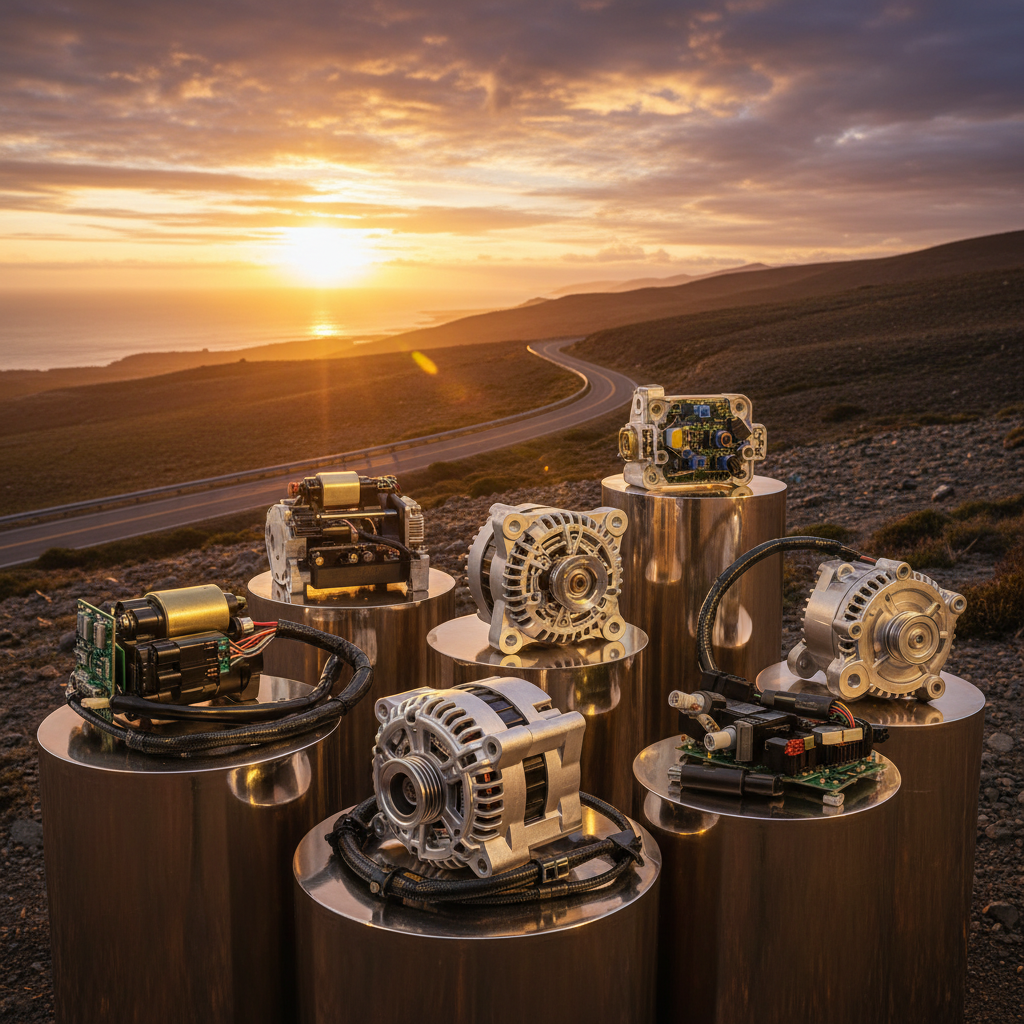
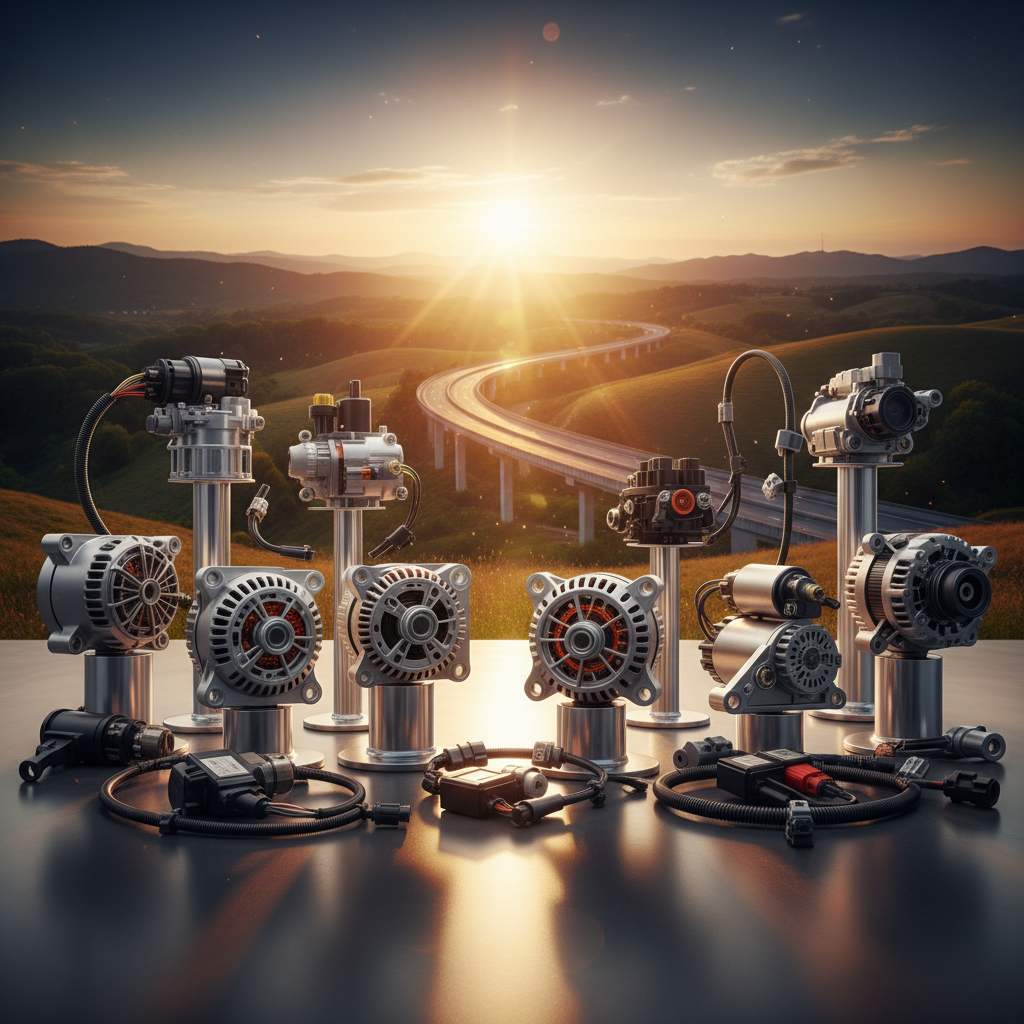
Car engine electrical parts are the unsung heroes powering modern vehicles. These components, ranging from the starter motor to the complex engine control unit (ECU), are fundamental to ignition, fuel delivery, emissions control, and overall engine performance. Understanding these systems is crucial for automotive technicians, engineers, and even enthusiasts seeking to maintain and optimize their vehicles. car engine electrical parts play an increasingly vital role as vehicles become more sophisticated and rely on intricate electronic systems.
The global automotive industry is a massive economic force, with a constant demand for reliable and efficient car engine electrical parts. According to Statista, the global automotive electrical system market size was valued at USD 98.1 billion in 2023 and is projected to grow to USD 133.8 billion by 2030. This growth is driven by the increasing adoption of electric vehicles (EVs) and advanced driver-assistance systems (ADAS). These technologies heavily rely on complex electrical components, creating a significant market for specialized car engine electrical parts.
The challenge lies in ensuring the quality, reliability, and compatibility of these parts, especially in a market flooded with counterfeit or substandard products. Furthermore, the rapid evolution of automotive technology demands continuous innovation in car engine electrical parts to meet stricter emissions standards, improve fuel efficiency, and enhance vehicle safety.
The Fundamentals of Car Engine Electrical Parts
At their core, car engine electrical parts are responsible for converting electrical energy into mechanical energy to start and run the engine. This includes the battery, which provides the initial power source, the starter motor, which cranks the engine, and the alternator, which recharges the battery while the engine is running. Beyond these foundational components, a vast network of sensors, actuators, and control modules regulate various engine functions.
The efficiency and reliability of these parts directly impact fuel economy, emissions levels, and overall engine lifespan. Modern car engine electrical parts utilize advanced materials and manufacturing techniques to withstand extreme temperatures, vibrations, and corrosive environments. This ensures optimal performance and minimizes the risk of failure, contributing to safer and more sustainable transportation.
Global Relevance and Market Dynamics
The demand for car engine electrical parts is intrinsically linked to the global automotive industry, which is a cornerstone of many national economies. Major automotive manufacturing hubs like China, Germany, Japan, and the United States drive significant demand for these components. Growth in emerging markets, particularly in Asia-Pacific and Latin America, is further fueling the market expansion. The rise of electric vehicles is fundamentally reshaping the landscape of car engine electrical parts, requiring a shift towards components like electric motors, inverters, and battery management systems.
The automotive supply chain is complex and globally integrated. Disruptions, such as those experienced during the COVID-19 pandemic and geopolitical events, can significantly impact the availability and cost of car engine electrical parts. This highlights the importance of supply chain resilience and diversification for automotive manufacturers and component suppliers alike.
Moreover, increasing environmental regulations and consumer demand for fuel-efficient vehicles are driving innovation in car engine electrical parts. Manufacturers are investing heavily in research and development to create lighter, more efficient, and more sustainable components.
Defining Car Engine Electrical Parts
Car engine electrical parts encompass all the electrically powered or controlled components within a vehicle's engine system. This broad category includes items like spark plugs, ignition coils, fuel injectors, sensors (oxygen sensors, crankshaft position sensors, etc.), actuators (throttle bodies, idle air control valves), the engine control unit (ECU), and wiring harnesses. Essentially, any component that relies on electrical energy to function or that provides feedback to the engine’s central control system falls under this definition.
The connection to modern industry extends beyond mere vehicle operation. The development and manufacturing of these parts spur innovation in materials science, electronics, and software engineering. Advanced testing and quality control procedures ensure reliability and safety, contributing to broader industrial standards. The precision required in manufacturing car engine electrical parts translates to advancements in other sectors needing highly accurate components.
Furthermore, the automotive industry’s pursuit of emission reductions and improved fuel efficiency drives the demand for increasingly sophisticated car engine electrical parts. This, in turn, supports humanitarian needs by contributing to cleaner air and more sustainable transportation options, particularly in densely populated urban areas.
Key Components and Characteristics
One crucial aspect is Durability. Car engine electrical parts operate in harsh conditions – extreme temperatures, constant vibration, and exposure to fluids. High-quality components are designed to withstand these stresses, ensuring long-term reliability and minimizing the need for frequent replacements. This directly impacts vehicle maintenance costs and overall ownership experience.
Another vital characteristic is Precision. Components like fuel injectors and sensors must operate with extreme accuracy to ensure optimal engine performance and emissions control. Even minor deviations can lead to reduced fuel efficiency, increased emissions, and potential engine damage.
Car Engine Electrical Parts Performance Characteristics
Real-World Applications and Industries
The automotive industry is, naturally, the primary consumer of car engine electrical parts. However, the applications extend beyond passenger vehicles to include commercial trucks, buses, motorcycles, and even heavy equipment. Each of these applications has specific requirements for car engine electrical parts based on the engine type, operating conditions, and performance demands.
Furthermore, the principles and technologies behind car engine electrical parts are also applicable to other industries, such as aerospace and marine engineering. The need for reliable and efficient power systems in these sectors drives the demand for similar components and expertise. In post-disaster relief operations, portable generators equipped with robust electrical systems, often utilizing automotive-grade components, provide essential power to critical infrastructure.
Advantages and Long-Term Benefits
The primary tangible benefit of utilizing high-quality car engine electrical parts is reduced maintenance costs. Durable components require less frequent replacement, minimizing downtime and saving money on repairs. Improved fuel efficiency is another significant advantage, leading to lower operating costs and reduced emissions. The increased reliability also enhances vehicle safety, reducing the risk of breakdowns and accidents.
From an emotional perspective, a well-maintained engine provides peace of mind and a more enjoyable driving experience. Logically, investing in quality car engine electrical parts builds trust in the vehicle's performance and longevity. This translates to a higher resale value and overall customer satisfaction.
Future Trends and Innovations
The future of car engine electrical parts is inextricably linked to the rise of electric and hybrid vehicles. We can anticipate increased demand for high-voltage components, advanced battery management systems, and sophisticated power electronics. The development of solid-state batteries and wireless charging technologies will further revolutionize the industry.
Digital transformation is also playing a significant role, with the increasing use of data analytics and predictive maintenance to optimize engine performance and identify potential failures before they occur. Automation in manufacturing processes will drive down costs and improve quality control. Sustainability is a key focus, with research into biodegradable materials and closed-loop recycling systems to minimize the environmental impact of car engine electrical parts.
FAQS
The lifespan of a car engine electrical component, such as a fuel pump, varies greatly depending on factors like driving conditions, maintenance practices, and component quality. However, a well-maintained fuel pump typically lasts between 50,000 to 100,000 miles. Regular fuel filter replacements and avoiding running the vehicle with a near-empty tank can significantly extend its lifespan. Ignoring warning signs like difficulty starting or reduced fuel efficiency could lead to premature failure.
Identifying counterfeit car engine electrical parts can be tricky. Look for inconsistencies in packaging, spelling errors, and unusually low prices. Check the manufacturer's logo and part numbers carefully, and verify them against the official website. Reputable suppliers should provide certificates of authenticity. Avoid purchasing from unverified online marketplaces, and always prioritize trusted retailers for car engine electrical parts.
DIY repairs of car engine electrical parts are generally not recommended unless you have extensive experience and the proper tools. Electrical systems can be complex and dangerous, and improper repairs can lead to further damage or even personal injury. Simple tasks like replacing spark plugs might be within the scope of a knowledgeable DIYer, but more complex repairs should be left to qualified technicians. car engine electrical parts can be very complex.
The Engine Control Unit (ECU) is the brain of the engine, responsible for monitoring and controlling various engine functions. It receives data from numerous sensors, processes this information, and adjusts parameters like fuel injection, ignition timing, and emissions control to optimize performance and efficiency. A malfunctioning ECU can lead to a wide range of engine problems, from poor fuel economy to complete engine failure.
The type of fuel used can significantly impact the lifespan of car engine electrical parts. Using low-quality or contaminated fuel can clog fuel injectors, damage the fuel pump, and corrode other components. Ethanol-blended fuels can also be corrosive to certain materials. Using the fuel grade recommended by the vehicle manufacturer and ensuring clean fuel sources are crucial for maintaining the health of your engine’s electrical system.
Regular preventative maintenance is key to extending the life of your car's electrical system. This includes periodic inspections of wiring harnesses for damage, cleaning battery terminals to prevent corrosion, replacing the fuel filter as recommended, and ensuring proper grounding connections. Addressing minor issues promptly can prevent them from escalating into more costly repairs.
Conclusion
In conclusion, car engine electrical parts are essential components powering modern vehicles and driving innovation in the automotive industry. From their fundamental role in engine operation to their impact on fuel efficiency, emissions control, and safety, these parts are critical to a sustainable and efficient transportation future. Understanding the intricacies of these systems empowers both professionals and enthusiasts to optimize performance, minimize maintenance costs, and contribute to a cleaner environment.
Looking ahead, the integration of advanced technologies like electric powertrains, autonomous driving systems, and data analytics will continue to shape the evolution of car engine electrical parts. Embracing these advancements and prioritizing quality, reliability, and sustainability will be crucial for navigating the challenges and opportunities that lie ahead. For all your car engine electrical parts needs, visit our website today: www.oujiaengine.com.