Car engine internal parts represent the intricate network of components working in harmony to transform fuel into mechanical energy, powering vehicles globally. Understanding these parts is crucial not only for automotive engineers and mechanics but also for anyone involved in vehicle maintenance, repair, or performance enhancement. The global automotive industry relies heavily on the precision and reliability of these internal components, driving innovation and economic growth. The continuous advancement of car engine internal parts is a cornerstone of improving fuel efficiency, reducing emissions, and enhancing overall vehicle performance.
The sheer scale of the automotive industry makes car engine internal parts a globally significant topic. According to the United Nations Statistics Division, motor vehicles production reached approximately 97.9 million units in 2022. This massive output necessitates a robust supply chain for these internal components. However, challenges persist, including the increasing complexity of engine designs, the demand for sustainable materials, and the need for highly skilled labor to manufacture and maintain these parts. Addressing these issues is vital for the continued growth and sustainability of the automotive sector.
The demand for improved engine efficiency and reduced emissions necessitates constant innovation in car engine internal parts. The industry is heavily influenced by regulations like those set by the International Organization for Standardization (ISO) regarding quality control and environmental impact. This focus drives research and development into advanced materials, precision manufacturing techniques, and intelligent engine management systems.
The Significance of Car Engine Internal Parts
The proper functioning of a vehicle is entirely dependent on the quality and compatibility of its car engine internal parts. These components, ranging from pistons and crankshafts to valves and camshafts, orchestrate the complex process of combustion. A failure in any single part can lead to significant performance issues or complete engine failure, highlighting the critical nature of these internal elements.
The automotive aftermarket, a substantial portion of the global automotive industry, heavily relies on the availability of replacement car engine internal parts. This market is driven by routine maintenance, accidental damage, and the need to extend the lifespan of older vehicles. Ensuring a consistent supply of high-quality parts is, therefore, vital for both consumers and businesses within the automotive ecosystem.
Defining Car Engine Internal Parts
Car engine internal parts encompass all the components located within the engine block that contribute directly to the combustion process and the conversion of fuel into mechanical energy. This distinguishes them from external parts like radiators, alternators, or the exhaust system. These parts are subject to extreme temperatures, pressures, and frictional forces, requiring robust materials and precise engineering.
The importance of these parts extends beyond simply making a car run. They directly influence fuel efficiency, emissions levels, engine lifespan, and overall vehicle performance. Modern engine designs increasingly incorporate sophisticated materials and manufacturing techniques to optimize these aspects, making the selection and quality of car engine internal parts more critical than ever.
Understanding these internal components is crucial for ensuring responsible vehicle ownership and promoting sustainable transportation practices. Regular maintenance and timely replacement of worn parts contribute to minimizing environmental impact and maximizing vehicle longevity.
Key Components and Their Functions
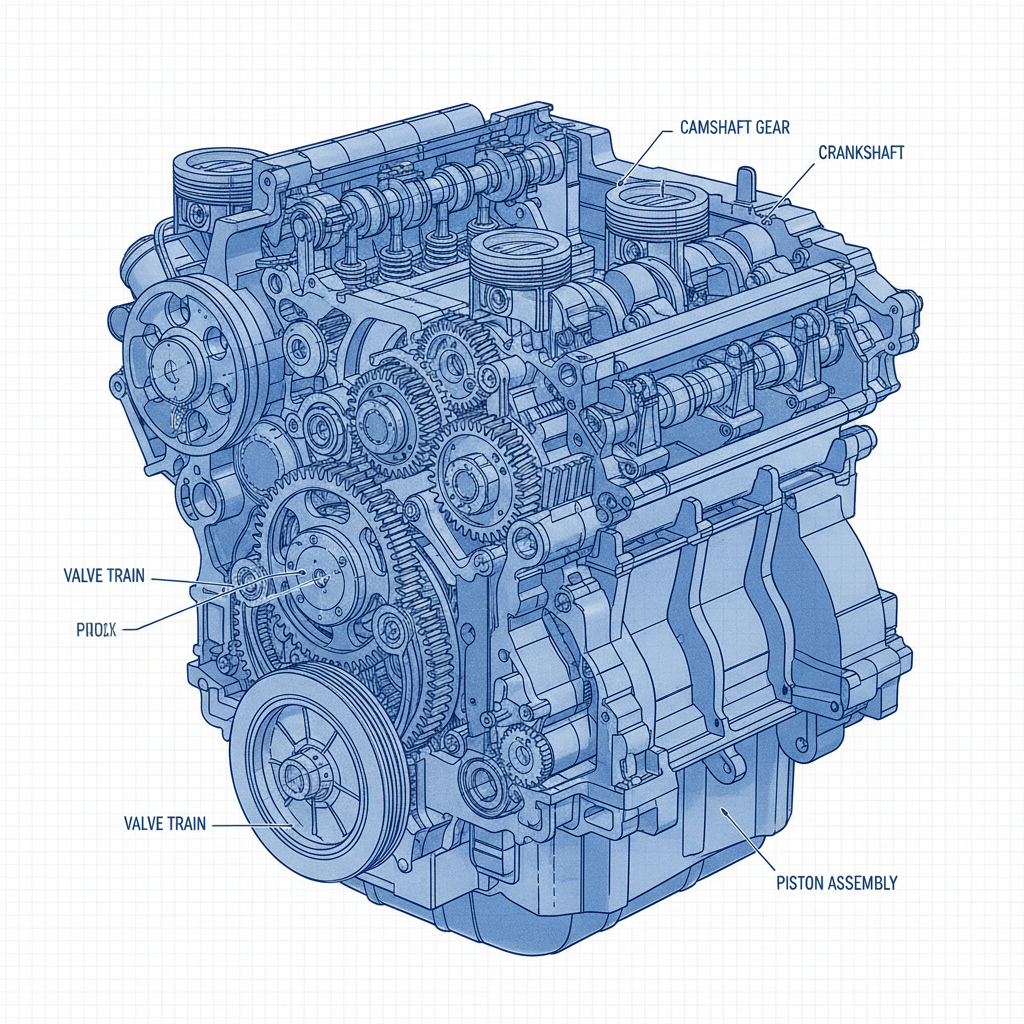
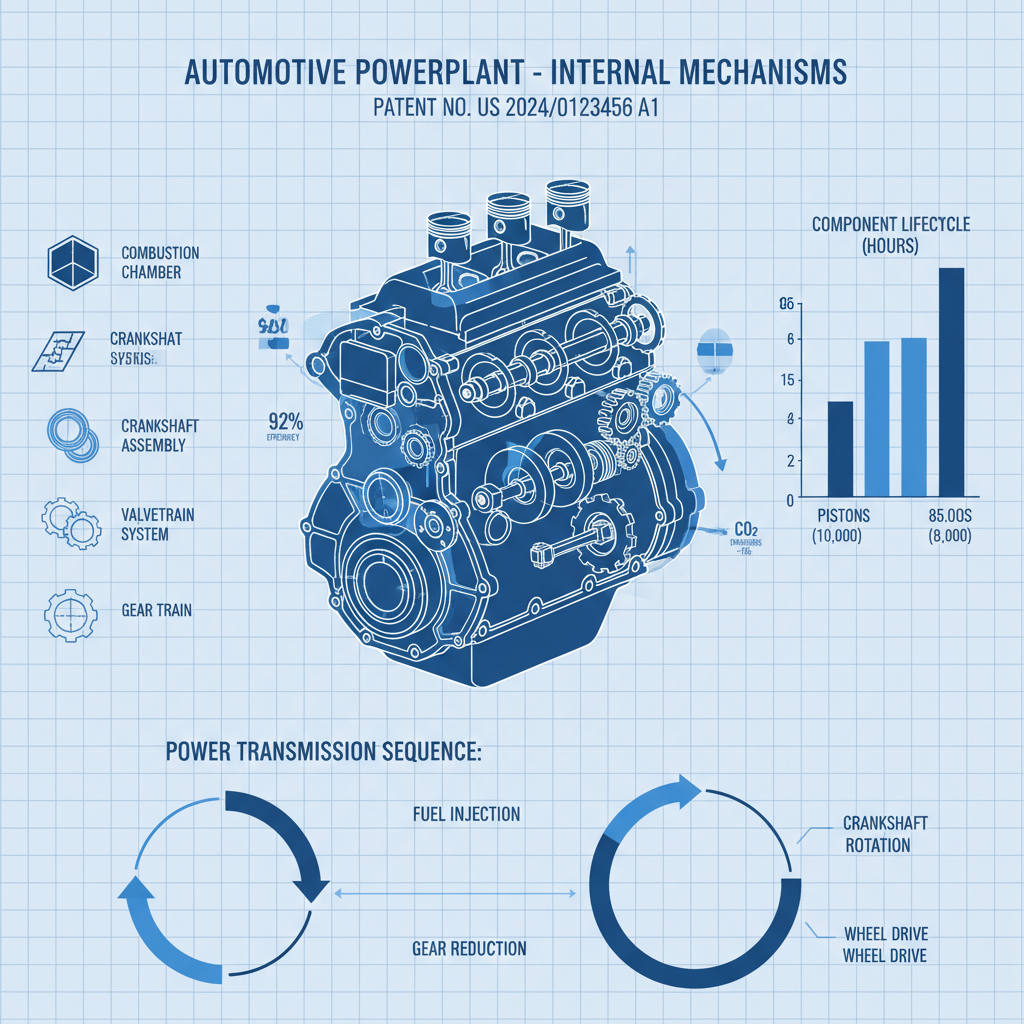
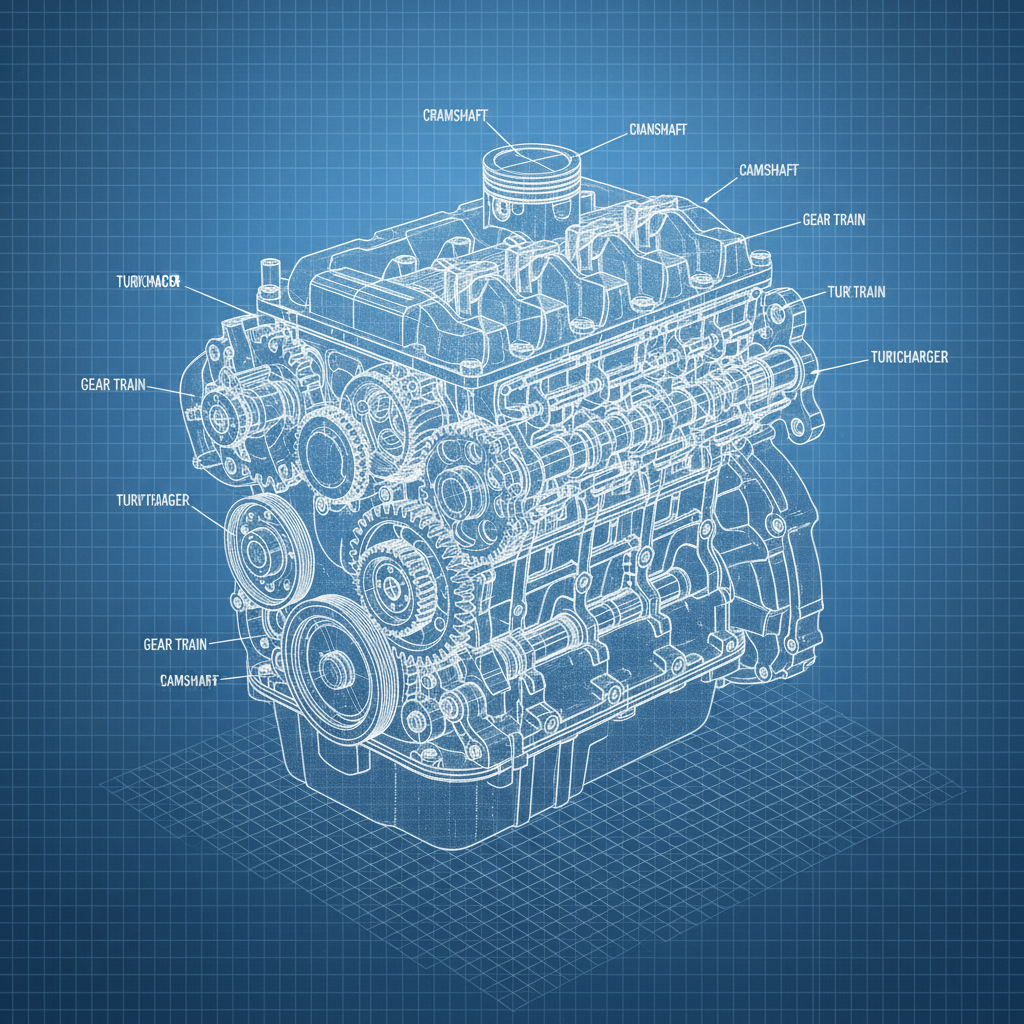
Several key car engine internal parts are central to engine operation. The pistons convert the energy of combustion into linear motion. The crankshaft then transforms this linear motion into rotational motion, which ultimately powers the wheels. Connecting rods link the pistons to the crankshaft, transmitting this force efficiently. The cylinder head houses the valves and combustion chamber.
The valves control the flow of air and fuel into the combustion chamber and the exhaust gases out. The camshaft regulates the opening and closing of these valves, synchronized with the piston's movement. Finally, the timing belt or chain maintains precise synchronization between the crankshaft and camshaft, ensuring proper valve timing. The precise interaction of these parts is what allows an engine to function effectively.
Modern engines also utilize advanced components like variable valve timing (VVT) systems and direct injection systems, all considered car engine internal parts. These technologies are designed to optimize engine performance, fuel efficiency, and emissions reduction, demonstrating the ongoing evolution of engine design.
Durability, Precision, and Material Science
The demanding operating conditions within an engine necessitate exceptional durability from its internal parts. These components must withstand immense pressure, high temperatures, and constant friction. This requires the use of advanced materials and precise manufacturing processes.
Material selection is paramount. Forged steel is often used for crankshafts and connecting rods due to its superior strength. Aluminum alloys are commonly used for pistons and cylinder heads due to their lightweight properties and heat dissipation capabilities. Valve materials must resist wear and corrosion, often utilizing specialized alloys and coatings.
Material Performance in Car Engine Internal Parts
Global Applications in the Automotive Industry
The applications of car engine internal parts are ubiquitous within the global automotive industry, spanning passenger vehicles, commercial trucks, motorcycles, and even specialized engines for racing and aerospace applications. The demand for these parts is concentrated in regions with significant automotive manufacturing bases, such as China, the United States, Germany, and Japan.
Automotive manufacturers rely on a complex network of suppliers to source car engine internal parts. These suppliers range from large multinational corporations to smaller, specialized companies focusing on niche components. The industry is characterized by stringent quality control standards and a relentless focus on cost optimization.
Advantages and Long-Term Value
Investing in high-quality car engine internal parts offers numerous advantages, including increased engine reliability, improved fuel efficiency, and reduced emissions. These benefits translate into lower operating costs, extended vehicle lifespan, and a smaller environmental footprint.
The long-term value extends beyond economic considerations. A well-maintained engine provides peace of mind, enhances driving safety, and contributes to a more sustainable transportation system. Choosing durable and efficient car engine internal parts is a responsible investment that benefits both individuals and the planet.
The advancements in materials and manufacturing also contribute to increased engine performance. Modern designs optimize combustion efficiency, maximizing power output while minimizing fuel consumption and emissions.
Future Trends and Innovations
The future of car engine internal parts is intertwined with the broader trends of electrification, autonomous driving, and sustainable transportation. While electric vehicles are gaining popularity, internal combustion engines will continue to play a significant role for the foreseeable future, particularly in hybrid vehicles and commercial applications.
Innovations in materials science are driving the development of lighter, stronger, and more heat-resistant components. Additive manufacturing (3D printing) is emerging as a promising technique for creating complex engine parts with customized geometries. Furthermore, the integration of sensors and data analytics is enabling predictive maintenance and optimized engine performance.
Research into alternative fuels and combustion technologies, such as hydrogen combustion, is also influencing the design and materials used in car engine internal parts. The goal is to create engines that are cleaner, more efficient, and compatible with a wider range of energy sources.
Summary of Key Aspects of Car Engine Internal Parts Development
| Material Innovation |
Manufacturing Techniques |
Performance Optimization |
Sustainability Impact |
| Development of high-strength alloys |
Increased adoption of additive manufacturing |
Enhanced combustion efficiency |
Reduced material waste |
| Use of ceramic matrix composites |
Precision casting and machining |
Variable valve timing systems |
Lower emissions |
| Exploration of nanomaterials |
Automated inspection and quality control |
Direct fuel injection |
Use of recycled materials |
| Development of lightweight materials |
Near-net-shape manufacturing |
Turbocharging and supercharging |
Extended component lifespan |
| Self-healing materials research |
Digital twins for predictive maintenance |
Optimized cylinder head design |
Biodegradable lubricants |
| Bio-based polymer composites |
AI-powered design optimization |
Reduced friction coatings |
Circular economy principles |
FAQS
Several factors impact the lifespan of car engine internal parts, including operating conditions, maintenance practices, and the quality of the parts themselves. Aggressive driving habits, infrequent oil changes, and exposure to extreme temperatures can all accelerate wear and tear. Using high-quality parts designed for the specific engine application is crucial for maximizing longevity. Proper cooling system maintenance and avoiding overheating are also essential.
The recommended replacement intervals for car engine internal parts vary depending on the specific component and vehicle manufacturer's recommendations. Generally, timing belts or chains should be replaced according to the maintenance schedule, typically between 60,000 and 100,000 miles. Pistons, connecting rods, and crankshafts typically have a much longer lifespan but may need replacement if significant wear or damage is detected during an inspection.
The reliability of aftermarket car engine internal parts varies significantly depending on the brand and quality. While some aftermarket parts meet or exceed OEM specifications, others may be of inferior quality. It's crucial to choose reputable brands and ensure the parts are specifically designed for your vehicle's engine. Using high-quality aftermarket parts can be a cost-effective alternative to OEM parts, but careful selection is essential.
Several symptoms can indicate failing car engine internal parts, including knocking or rattling noises, decreased engine power, poor fuel economy, increased oil consumption, and unusual exhaust smoke. A check engine light may also illuminate. It's important to have these symptoms diagnosed by a qualified mechanic to determine the cause and prevent further damage.
Material science plays a critical role in enhancing the performance and durability of car engine internal parts. The development of new alloys, composites, and coatings allows engineers to create components that are lighter, stronger, more heat-resistant, and more wear-resistant. Nanomaterials and advanced surface treatments are also being explored to reduce friction and improve efficiency.
Precision manufacturing is essential for ensuring the proper fit and function of car engine internal parts. Tight tolerances and accurate dimensions are critical for optimal engine performance and reliability. Advanced manufacturing techniques, such as CNC machining and additive manufacturing, enable the production of complex parts with exceptional precision and repeatability.
Conclusion
In conclusion, car engine internal parts are the foundational elements of modern transportation, influencing performance, efficiency, and sustainability. Understanding their functions, materials, and evolving technologies is essential for automotive professionals, enthusiasts, and anyone concerned with responsible vehicle ownership. The relentless pursuit of innovation in this field is driving advancements in engine design, materials science, and manufacturing processes.
Looking ahead, the future of car engine internal parts will be shaped by the ongoing transition to electric and alternative fuel vehicles. However, even as electrification gains momentum, the principles of durable design, precision manufacturing, and material optimization will remain crucial for maximizing engine lifespan, minimizing environmental impact, and ensuring safe and reliable transportation for all. For more detailed information about specific parts and their applications, visit our website: www.oujiaengine.com