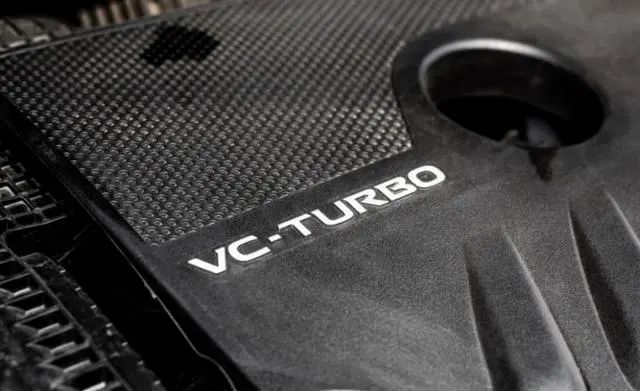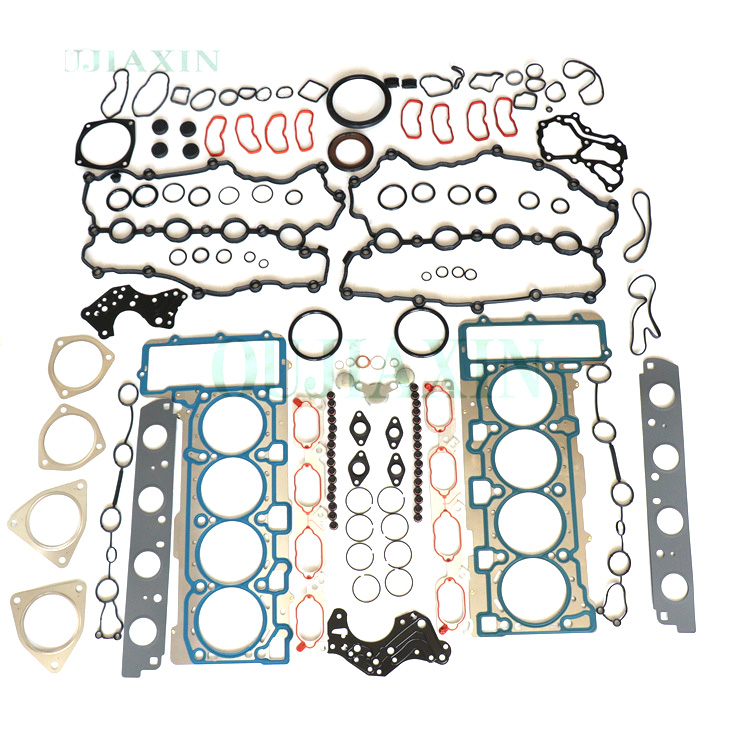


The cylinder head is one of the most important components of an internal combustion engine. In the MINI N18 engine, it plays a vital role in combustion management, airflow control, heat dissipation, and overall engine performance. As a 1.6-liter turbocharged engine used in several second-generation MINI Cooper S and John Cooper Works (JCW) applications, the N18 requires a cylinder head that meets the specific dimensional, thermal, and mechanical demands of its design.
For automotive parts wholesalers, engine rebuilders, repair workshops, and international distributors, understanding the MINI N18 cylinder head is essential when sourcing replacement engine components. A suitable replacement must match the correct engine configuration, production period, and required specifications. Material quality, machining precision, valve train condition, and compatibility with related engine components are also important considerations.
Hebei Oujia Import And Export Trade Co., Ltd. serves international trade customers seeking automotive parts sourcing opportunities. By focusing on clear product specifications and professional communication, the company aims to help overseas buyers evaluate suitable engine components for their markets. This article introduces the MINI N18 cylinder head, explains its main functions and technical characteristics, and provides practical guidance for replacement and wholesale purchasing.

A Cylinder head is the engine component mounted above the engine block. Together with the cylinder block, pistons, and head gasket, it forms the combustion chambers in which the air-fuel mixture burns and generates the pressure required to produce engine power.
In the MINI N18 engine, the cylinder head supports the intake and exhaust valve systems and incorporates passages and mounting features required by the engine's design. It also contains important sealing surfaces and passages associated with engine lubrication and cooling.
Because the N18 is a turbocharged engine, the cylinder head must operate under demanding thermal and mechanical conditions. It must withstand combustion pressure, manage heat generated during operation, and maintain the dimensional stability required for reliable valve operation and combustion chamber sealing.
A damaged or incorrectly specified cylinder head can lead to reduced engine performance, coolant or oil leakage, compression loss, and other serious engine problems. Selecting the correct replacement is therefore important for engine repair and long-term reliability.
A MINI N18 Cylinder head is a complete engine assembly or casting with several functional areas. The exact contents of a replacement product depend on its part number and supplier configuration.
Combustion chambers: The combustion chambers are formed in the cylinder head above the pistons. Their geometry influences combustion characteristics, compression behavior, and heat distribution. The chamber design must match the engine's original engineering specifications.
Intake and exhaust ports: Intake ports guide air into the cylinders, while exhaust ports allow combustion gases to leave the engine. Their geometry and surface condition influence gas flow. Correct port dimensions and sealing surfaces are important when replacing or reconditioning the cylinder head.
Intake and exhaust valves: The valves open and close at precisely controlled times to regulate the flow of air and exhaust gases. Their seating surfaces must provide reliable sealing when the valves are closed. Worn valves, damaged seats, or improper installation can contribute to compression loss and reduced engine efficiency.
Camshaft and valve train interfaces: The cylinder head accommodates the components and bearing surfaces required by the engine's valve actuation system. Correct alignment, lubrication, and clearances are essential for reliable operation.
Cooling passages: Internal coolant passages help remove heat from the cylinder head. Restricted passages, corrosion, or cracking can interfere with heat transfer and contribute to overheating.
Oil passages: Lubrication passages deliver oil to the relevant moving components. Proper oil circulation helps reduce friction and wear in the valve train and associated mechanisms.
Mounting and sealing surfaces: The cylinder head gasket surface must be sufficiently flat and properly finished to maintain a reliable seal between the head and engine block. Bolt holes, locating features, and other mounting areas must also meet the required specifications.
When purchasing a replacement, buyers should confirm whether the product is a bare cylinder head, a partially assembled unit, or a more complete assembly. Some versions include selected intake-side valve train components, while other components may need to be transferred from the original engine or purchased separately.
The MINI N18 engine is designed to combine compact packaging with turbocharged performance. Its cylinder head supports this objective by managing airflow, combustion chamber sealing, valve timing-related functions, and heat transfer.
During the intake stroke, the intake valves allow air to enter the cylinders. The engine management and fuel delivery systems control the combustion process, while the exhaust valves allow burned gases to exit. The turbocharging system increases the amount of air available to the engine, making reliable airflow and thermal management especially important.
A properly functioning cylinder head helps maintain compression, supports stable combustion, and enables the engine to operate according to its intended design. However, engine performance depends on the entire system rather than the cylinder head alone. The turbocharger, fuel system, pistons, crankshaft, cooling system, lubrication system, and electronic controls all contribute to overall performance.
For replacement applications, the priority is to restore the engine to the correct operating condition. For modified engines, buyers should obtain professional engineering advice before selecting components intended for higher boost pressure or increased power output.
Cylinder heads must combine structural strength, heat-transfer capability, and dimensional stability. Aluminum alloys are widely used in modern passenger-car engine cylinder heads because they offer relatively low weight and good thermal conductivity.
The exact alloy, casting process, and heat-treatment requirements depend on the engine manufacturer's design. Buyers should not assume that every cylinder head advertised for the MINI N18 uses identical materials or manufacturing specifications.
Casting quality is fundamental to cylinder head reliability. The manufacturing process must produce the required geometry while controlling defects that could affect structural integrity or the integrity of internal passages. Appropriate inspection can help identify potential casting problems before the component enters service.
Precision machining establishes critical dimensions, including the head gasket surface, valve seats, guide bores, and other mounting or alignment features. These areas must conform to the applicable specifications to ensure correct assembly and reliable operation.
Valve seat and guide quality affects valve alignment, sealing, and wear. During reconditioning, the condition of the valve seats and guides should be assessed, and replacement or machining should be performed only when appropriate for the component and within the applicable service limits.
Surface finishing is particularly important at the head gasket interface. The surface finish and flatness must be suitable for the specified gasket and installation procedure. Excessive material removal during machining can alter component dimensions and may make the head unsuitable for reuse.
Cleaning and inspection are also important. Oil and coolant passages should be free from contamination, and critical surfaces should be checked for damage. Depending on the repair requirements, pressure testing and other suitable inspection methods may be used to evaluate a used or reconditioned cylinder head.
For international buyers, documented specifications and clearly defined product condition are more useful than broad claims such as “premium quality” or “high performance.” A supplier should be able to clarify the product's configuration and provide relevant information available for the specific part.
Cylinder head problems can develop because of overheating, lubrication issues, component wear, previous improper repairs, or age-related deterioration. Identifying the underlying cause is important before replacing the component.
Overheating and thermal damage: Excessive engine temperature can cause distortion or damage to the cylinder head and its sealing surfaces. Overheating may also affect the head gasket and other engine components. Before installing a replacement head, the cooling system should be inspected to identify the original cause of the problem.
Cylinder head gasket leakage: A damaged gasket or an unsuitable sealing surface can allow coolant, engine oil, or combustion gases to leak. Possible symptoms include coolant loss, overheating, poor compression, or contamination between fluid systems. These symptoms require proper diagnosis because they can also be caused by other engine faults.
Cracks or casting damage: Thermal stress, severe overheating, or other mechanical conditions may damage the cylinder head. Depending on the location and severity, the damage may cause coolant leakage, combustion leakage, or other operating problems. Professional inspection is necessary to determine whether repair is technically acceptable or replacement is required.
Valve and valve seat wear: Worn valves, damaged seats, or poor sealing can lead to compression loss, rough running, and reduced engine performance. These conditions may sometimes be addressed through suitable cylinder head reconditioning, depending on the manufacturer's specifications and the actual condition of the component.
Valve train lubrication problems: Insufficient oil supply or contaminated engine oil can accelerate wear in moving components associated with the cylinder head. A replacement head will not resolve the underlying issue if the lubrication system remains defective.
Coolant passage restrictions: Deposits, corrosion, or contamination can reduce cooling efficiency. A replacement or reconditioned component should be installed only after the relevant cooling system issues have been evaluated.
Not every engine misfire, coolant loss, or overheating problem indicates a defective cylinder head. Diagnostic procedures may include compression testing, leak-down testing, cooling-system pressure testing, and appropriate inspection of the engine's lubrication and cooling systems. Qualified technicians should determine the correct repair approach.
Appropriate maintenance can reduce the risk of cylinder head damage. MINI N18 owners and repair professionals should pay attention to cooling-system condition, engine oil quality, and signs of abnormal engine operation.
The coolant should meet the applicable vehicle specifications, and the cooling system should be maintained according to the manufacturer's service guidance. Faulty cooling components, leaks, or persistent overheating should be addressed promptly.
Engine oil and filters should be changed at the recommended intervals using suitable products. Oil pressure warnings, unusual mechanical noise, and unexplained fluid loss should not be ignored.
When the cylinder head has been removed, technicians should follow the specified cleaning, inspection, gasket replacement, fastener, tightening sequence, and torque procedures. Some fasteners may have replacement requirements, so the correct service documentation should be consulted.
These measures help protect the cylinder head and related engine components, although maintenance cannot prevent every form of mechanical failure.
Compatibility is the first priority when purchasing a MINI N18 Cylinder head. Similar-looking cylinder heads may have different castings, port arrangements, component configurations, or production-specific features.
The N18 engine appeared in several second-generation MINI applications, including certain Cooper S and JCW models. Depending on the vehicle and production period, the required cylinder head may differ. Buyers should not rely on the vehicle badge or engine displacement alone.
Before requesting a quotation, prepare the following information whenever possible:
Vehicle model and production year.
Engine code and relevant engine identification details.
Original equipment part number or replacement reference.
Casting number, if available.
Required assembly configuration, including which valves and valve train components must be included.
Product condition requirements, such as new, used, or professionally reconditioned.
Destination country and expected order quantity.
The original part number is often the most useful starting point for identification. However, superseded part numbers and production-date changes should be verified against reliable parts information.
Buyers should also distinguish the N18 engine from other MINI engine families, including the earlier N14 and naturally aspirated N12 or N16 variants. A part advertised for a MINI Cooper or Cooper S is not automatically suitable for every engine in that vehicle range.
The safest purchasing process combines the engine code, part number, production details, and supplier fitment information. If uncertainty remains, confirm compatibility with a qualified parts specialist before ordering.
The appropriate product depends on the repair requirements, budget, and intended service life.
New cylinder heads may be appropriate when the original component is severely damaged or when the buyer requires a new replacement part. Before purchase, confirm the exact part reference, included components, product origin, and available documentation.
Reconditioned cylinder heads may offer an alternative when a used casting can be restored within the applicable service limits. Buyers should ask what work has been performed, which components have been replaced, whether pressure testing or other inspection has been completed, and what warranty terms apply.
Bare cylinder heads generally require additional components and assembly work. They may be suitable for professional engine rebuilders who already have compatible valves, springs, and other serviceable parts. The buyer should confirm precisely what is included and which items must be sourced separately.
Partially assembled cylinder heads may reduce some workshop preparation, but the included components can vary by supplier. The parts list should be checked carefully to avoid missing components or unexpected additional costs.
There is no universally best option. A suitable purchase depends on verified fitment, the actual condition of the product, the quality requirements of the repair, and the buyer's ability to complete any additional assembly work.
For automotive parts importers, distributors, and wholesalers, sourcing a MINI N18 cylinder head involves several considerations beyond technical fitment. Product availability, order quantities, packaging, documentation, shipping arrangements, and communication all influence the purchasing process.
Hebei Oujia Import And Export Trade Co., Ltd. welcomes inquiries from international automotive parts buyers seeking sourcing information for cylinder heads and related engine components. By providing clear application details and purchase requirements, customers can establish a more efficient basis for discussing suitable products.
When making an inquiry, buyers are encouraged to provide their required part number, engine code, quantity, destination market, and preferred product condition. If available, technical drawings, casting references, and photographs can help clarify the required configuration.
Before confirming an order, buyers should discuss:
Product compatibility: Confirm the specific MINI N18 application and the applicable reference number.
Product configuration: Establish whether the cylinder head is bare, partially assembled, or supplied with additional components.
Quality documentation: Request relevant inspection records, material information, and product identification details where available.
Quantity and pricing: Confirm minimum order quantities, quotation validity, and the terms applicable to the requested volume.
Packaging and shipping: Agree on suitable protective packaging, corrosion prevention where necessary, and export shipping arrangements.
Delivery and after-sales terms: Clarify lead time, warranty conditions if offered, and the process for reporting discrepancies or damage.
Clear communication at the beginning of a transaction helps reduce the risk of ordering an incompatible component. It also supports more effective coordination between overseas buyers, automotive repair businesses, and parts sourcing partners.
Hebei Oujia Import And Export Trade Co., Ltd. aims to support international trade communication through practical product inquiries and clearly defined purchasing requirements. Specific claims about manufacturing facilities, certifications, inventory, warranty coverage, or authorized brand relationships should be confirmed before being used in commercial descriptions.
The MINI N18 Cylinder head is a key engine component that manages airflow, supports combustion chamber sealing, accommodates the valve train, and helps regulate engine temperature. Its condition and compatibility have a direct bearing on the reliability of engine repairs.
When selecting a replacement, buyers should verify the engine code, production details, original part number, assembly configuration, and relevant quality requirements. They should also investigate the cause of the original failure and ensure that related systems, particularly cooling and lubrication, are in suitable condition before installation.
For automotive parts distributors, importers, and engine rebuilders, careful product identification and transparent procurement communication are essential. Hebei Oujia Import And Export Trade Co., Ltd. welcomes inquiries from international customers interested in MINI N18 cylinder heads and related automotive components.
Contact the company with your part number, engine specifications, required quantity, and destination market to discuss sourcing requirements and identify an appropriate purchasing solution for your business.