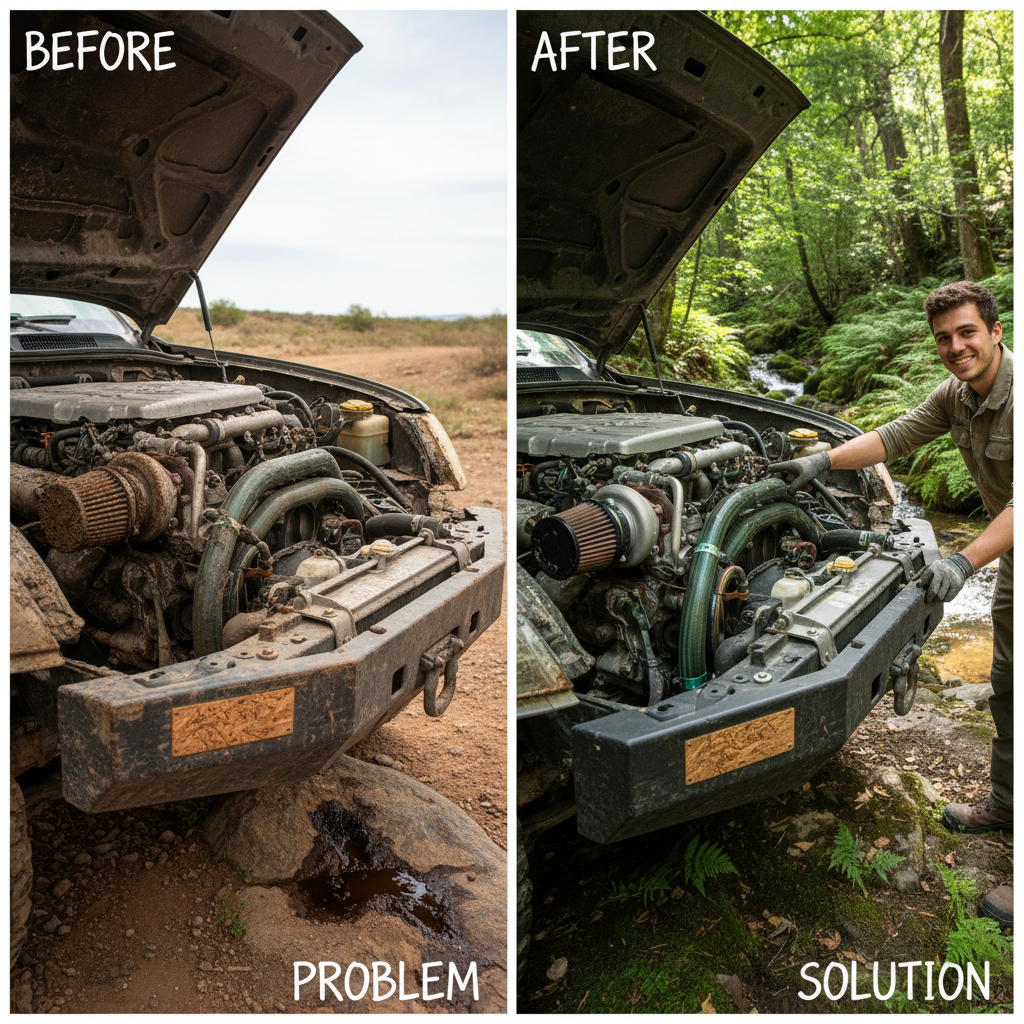
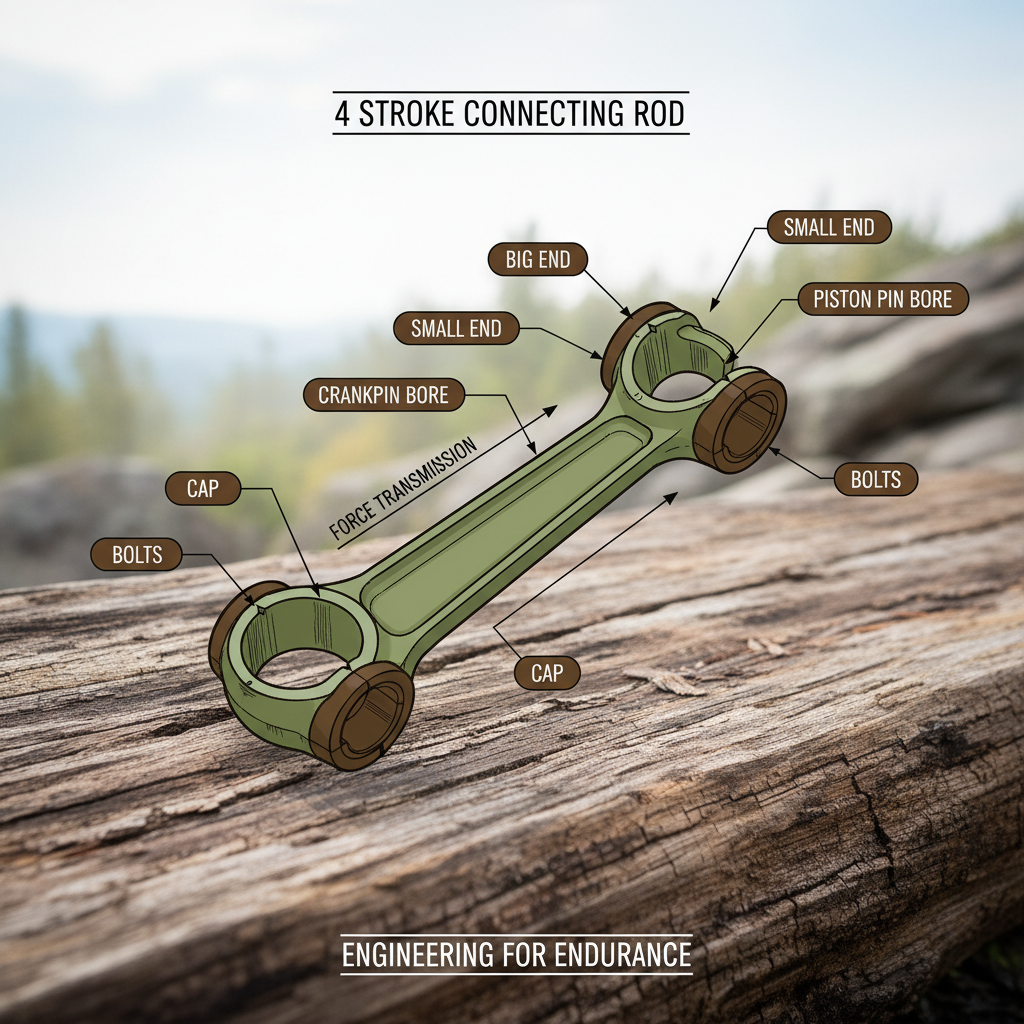
Cast connecting rods are the unsung heroes of modern engines. You won’t see them plastered on marketing materials, but trust me, after years spent on construction sites witnessing machinery failures, and talking with engineers wrestling with breakdowns, you quickly realize how crucial these components are. They’re the link between the piston and the crankshaft, translating that explosive force into rotational power. Without robust, reliable cast connecting rods, everything grinds to a halt. This isn’t some abstract engineering detail; it’s the difference between a project running smoothly and a costly, time-consuming disaster.
The global demand for dependable engines – powering everything from generators on remote construction sites to agricultural equipment feeding populations – is steadily increasing. The UN projects continued population growth and urbanization, driving the need for more infrastructure and, therefore, more robust machinery. ISO standards continue to push for higher performance and durability. The challenge? Maintaining that reliability while facing rising material costs and increasingly complex engine designs. That’s where understanding the nuances of cast connecting rods becomes absolutely critical.
Simply put, cast connecting rods are components forged from molten metal poured into a mold. They’re a cost-effective alternative to forged rods, making them ideal for high-volume engine production. But don’t mistake 'cost-effective' for 'low quality.' Modern casting techniques, coupled with advanced materials, can produce rods that rival forged counterparts in strength and durability. They aren’t just bolts of metal; they’re carefully engineered pieces crucial to keeping the world turning, quite literally.
The Importance of Cast Connecting Rods in Modern Engines
Look, I've seen too many projects stalled because a seemingly small component failed. Cast connecting rods, done right, are about preventing those headaches. They are often the first point of failure if an engine is pushed too hard or if material quality is compromised. Investing in quality cast connecting rods isn’t just about the initial cost; it's about minimizing downtime, reducing repair bills, and keeping projects on schedule.
And it’s not just about big construction equipment. Everything from portable generators powering field offices to the engines in farm equipment relies on these parts. The reliability of these systems directly impacts productivity, livelihoods, and even safety. When something breaks, it’s not just an inconvenience; it’s a real-world problem.
Global Relevance and Industry Context
The demand for engines, and therefore cast connecting rods, is inextricably linked to global economic growth. Developing nations undergoing rapid industrialization require more power generation and transportation, both of which rely heavily on internal combustion engines. Consider the expansion of infrastructure in Southeast Asia, or the growth of agriculture in Africa – these regions are major consumers of equipment powered by engines that utilize cast connecting rods.
However, this growth presents challenges. Supply chain disruptions, material price volatility (especially iron and alloys), and the need for more sustainable manufacturing processes are all impacting the industry. Engine manufacturers are constantly seeking ways to optimize performance, reduce costs, and minimize environmental impact. This pressure flows down the supply chain, requiring cast connecting rod manufacturers to innovate.
The automotive industry, while shifting towards electric vehicles, still represents a substantial market for internal combustion engines, particularly in certain regions and applications. Furthermore, sectors like marine, aerospace, and industrial power generation continue to rely heavily on these engines, sustaining the demand for high-quality cast connecting rods.
Defining Cast Connecting Rods: A Practical Perspective
Let's get down to brass tacks. A cast connecting rod takes molten metal – typically cast iron or aluminum alloys – and pours it into a mold shaped like the rod. Once cooled, the casting is machined to precise dimensions and undergoes quality control checks. It’s a relatively straightforward process, but the devil is in the details: mold design, material composition, and machining precision all heavily influence the final product’s strength and durability.
Now, the connection to modern industry? It’s all about scalability and cost. Compared to forging, casting is much better suited for mass production, keeping costs down while maintaining acceptable strength levels. This is vital in industries like agriculture and construction, where equipment needs to be reliable but also affordable. The materials themselves aren't just randomly selected; they're engineered to withstand immense stress and heat.
Think of it like this: forging is like hand-crafting a sword, while casting is like mass-producing durable tools. Both have their place, but for applications requiring high volumes and reasonable cost, casting is the workhorse of the industry.
Core Characteristics of High-Quality Cast Connecting Rods
From my experience, several key factors separate good cast connecting rods from the ones that’ll leave you stranded. First, tensile strength is critical – it determines how much stress the rod can withstand before breaking. Second, fatigue resistance is vital; these rods endure constant cyclical loading, so they need to hold up over the long haul.
Third, dimensional accuracy matters. Even slight deviations from specifications can lead to imbalances and premature wear. Fourth, material composition – the specific alloy used – significantly impacts the rod's properties. Fifth, surface finish is important; a smooth finish minimizes friction and wear. Finally, weight plays a role; lighter rods reduce reciprocating mass, improving engine responsiveness.
Cast Connecting Rod Performance Metrics
Real-World Applications of Cast Connecting Rods
You find cast connecting rods everywhere – powering irrigation pumps in agricultural fields, driving generators on remote construction sites, and even in the engines of many passenger vehicles. In regions like India and Brazil, where cost-effectiveness is paramount, these rods are particularly prevalent in agricultural machinery. They’re the workhorses keeping food production running.
I’ve seen them in action during post-disaster relief operations, powering generators that provide essential electricity to hospitals and emergency services. They’re also critical in remote industrial zones, where reliable power is essential for mining and resource extraction. The ability to consistently deliver power, even under harsh conditions, is what makes cast connecting rods so valuable.
Advantages and Long-Term Value Proposition
The biggest advantage is undoubtedly cost. Cast connecting rods allow engine manufacturers to produce reliable engines at a fraction of the cost of using fully forged components. This cost savings translates to more affordable equipment for consumers and businesses alike. But it's not just about the initial price tag.
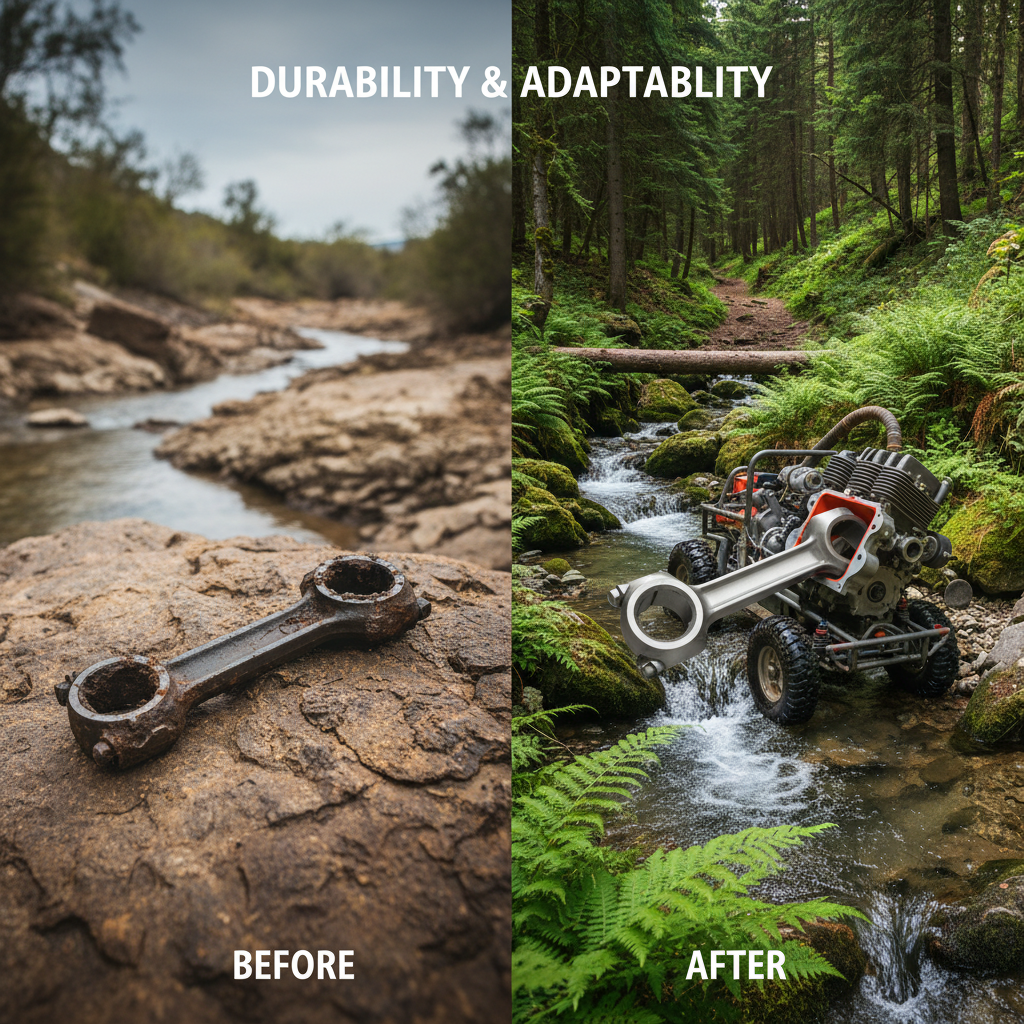
They offer a good balance of strength, durability, and weight, leading to improved fuel efficiency and reduced emissions. A well-designed cast connecting rod will last a long time, reducing the need for frequent replacements and minimizing downtime. It's about peace of mind, knowing that your equipment will keep running when you need it most.
Future Trends and Innovations in Cast Connecting Rod Technology
The future of cast connecting rods lies in materials science and manufacturing processes. We’re seeing increasing use of advanced alloys – incorporating elements like magnesium and titanium – to reduce weight and increase strength. Additive manufacturing (3D printing) is also emerging as a potential game-changer, allowing for the creation of complex geometries and optimized designs.
There's also a growing emphasis on sustainable manufacturing practices, reducing waste and minimizing the environmental impact of production. And as engines become more sophisticated, with higher operating temperatures and pressures, the demand for even more durable and reliable cast connecting rods will only increase.
Digitalization of the manufacturing process, with real-time monitoring and predictive maintenance, will also play a key role. This allows manufacturers to identify potential defects early on and optimize production parameters, further enhancing the quality and reliability of cast connecting rods.
FAQS
Forged rods are generally stronger, but also significantly more expensive. Cast rods offer a good balance of strength and cost, making them ideal for many applications where extreme performance isn’t required. The manufacturing process is key. Modern casting techniques can produce remarkably strong and durable rods.
Lifespan depends heavily on operating conditions and maintenance. With proper lubrication and operation within specified limits, a quality cast connecting rod should last for hundreds of thousands of miles. However, factors like overloading, overheating, or contamination can significantly shorten its life.
Generally, cast iron is stronger than aluminum, but aluminum is significantly lighter. Aluminum rods are often used in applications where weight reduction is a priority, like high-performance engines. Specialized aluminum alloys can achieve good strength-to-weight ratios, but proper design and manufacturing are critical.
Failure can range from cracking to complete breakage. A cracked rod can cause engine knocking and reduced performance. A broken rod is catastrophic, typically resulting in significant engine damage, potentially puncturing the engine block. Regular inspection can help prevent these failures.
The surface finish is crucial. A smooth surface minimizes friction between the rod and the crankshaft journal, reducing wear and tear. Rough surfaces can create stress concentrations, increasing the risk of fatigue failure. Precision machining and polishing are essential.
Look for manufacturers who employ non-destructive testing methods like ultrasonic inspection and magnetic particle inspection to detect internal flaws. Also, verify that the rods meet relevant industry standards and have documented material certifications. Traceability is key – knowing the origin of the materials and the manufacturing process.
Conclusion
Cast connecting rods may not be glamorous, but they’re foundational to the engines that power our world. Understanding their properties, applications, and future trends is vital for anyone involved in engine design, manufacturing, or maintenance. They represent a clever balance of cost, durability, and performance – a solution that’s proven its worth over decades.
As technology advances, expect to see even more sophisticated materials and manufacturing processes emerge, pushing the boundaries of what’s possible with cast connecting rods. Investing in quality components and staying informed about the latest innovations is the key to ensuring reliable and efficient engine operation for years to come.