0%

Table of Contents

Look, I've spent years on construction sites, elbows deep in dust and blueprints. You quickly learn what actually matters, and that's reliability. Forget fancy promises; give me something that holds up, day in and day out. That’s where cast iron connecting rods come into play. They're not glamorous, but they’re the backbone of a lot of heavy-duty machinery, and when they fail, everything grinds to a halt. We're talking serious downtime and costs.

These aren’t parts you want to gamble on. I’ve seen too many rushed jobs, corners cut on materials, and the inevitable fallout. With cast iron connecting rods, you're dealing with a material that’s been proven over decades. It’s a workhorse, built to withstand immense stress and vibration. It's a difference between a machine that’s operational for years and one that’s constantly breaking down, costing you money and headaches.

The demand for robust, dependable components like these is only growing, especially as infrastructure projects ramp up globally. From rebuilding bridges to powering remote industrial sites, the need for something that can consistently perform under pressure is critical. It’s not about the cheapest option; it’s about the smartest one, the one that minimizes risk and maximizes longevity.
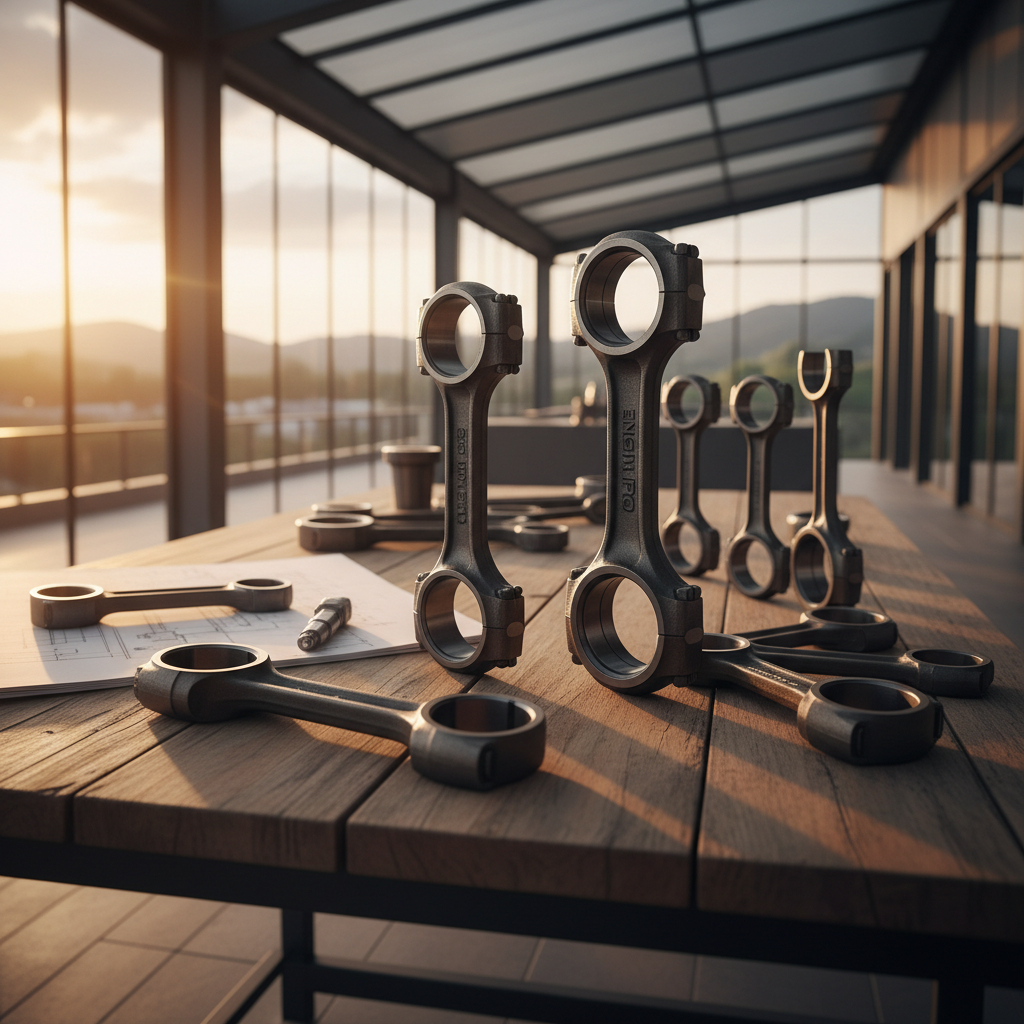

The Enduring Reliability of Cast Iron Connecting Rods for Heavy Duty Applications

The Essential Role of cast iron connecting rods

The Enduring Reliability of Cast Iron Connecting Rods for Heavy Duty Applications

Let me tell you, I've seen firsthand the crucial part cast iron connecting rods play in keeping things running. They’re the link between the piston and crankshaft, taking a beating with every combustion cycle. Without a strong, reliable connection there, you're looking at catastrophic engine failure. It’s the silent hero of any internal combustion engine.

The beauty of cast iron is its inherent dampening ability. It absorbs a lot of the shock and vibration, reducing wear and tear on other components. It’s a simple concept, but it makes a world of difference in the overall lifespan of the machine. You don’t want something brittle; you want something that can flex and absorb, and cast iron delivers that, time and time again.

Defining cast iron connecting rods and Their Significance

Put simply, cast iron connecting rods are the metal arms that connect a piston to the crankshaft within an engine. They translate the linear motion of the piston into the rotational motion that ultimately powers whatever machine they’re in – a generator, a pump, a vehicle, you name it. They’re a fundamental part of almost any engine you’ll encounter.

Their significance isn't just about mechanics. In remote areas, or in emergency situations, having equipment that stays running is paramount. A breakdown can mean the difference between a functioning water pump and a community without access to clean water. It’s not just about horsepower; it’s about the human impact.

The increasing focus on sustainable infrastructure projects means a greater demand for components built to last. Replacing parts is expensive and disruptive; investing in quality upfront, with something like a robust cast iron connecting rod, is a long-term economic benefit.

Core Characteristics of Durable cast iron connecting rods

Durability is the name of the game, and cast iron excels here. It has a high tensile strength, meaning it can withstand significant pulling forces, and excellent compressive strength, resisting crushing forces. That's critical in an engine where forces are constantly changing and immense. That's why cast iron connecting rods are a mainstay in heavy-duty applications.

Another key characteristic is its resistance to wear. Cast iron contains graphite flakes that act as internal lubricants, reducing friction and extending the lifespan of the component. This self-lubricating property is a huge advantage, especially in environments where regular lubrication might be difficult or impossible. We’re talking about less maintenance and more uptime.

Cast iron also has excellent thermal conductivity. It dissipates heat efficiently, preventing overheating and reducing thermal stress. This is vital in an engine where temperatures are constantly rising and falling. Keeping things cool extends the life of the entire system.

Performance Metrics of cast iron connecting rods

When evaluating cast iron connecting rods, you’re looking at a few key performance indicators. Tensile strength is crucial – we want to see numbers consistently above 700 MPa. That tells you how much pulling force it can withstand before breaking.

Then there’s fatigue strength, which measures its ability to withstand repeated stress cycles. A good cast iron connecting rod will have a fatigue strength of at least 400 MPa. That’s how it holds up over the long haul.

Performance Comparison of cast iron connecting rods Manufacturing Methods


Global Applications of cast iron connecting rods

You’ll find cast iron connecting rods in everything from agricultural machinery in developing nations to large-scale power generation plants in industrialized countries. They’re particularly common in diesel engines, which require a robust connecting rod to handle the high compression ratios.

In post-disaster relief operations, having generators powered by engines with dependable connecting rods is a lifeline. They power hospitals, communication systems, and water purification facilities. These are not situations where you can afford a breakdown.

Long-Term Value and Advantages

The initial cost of cast iron connecting rods might be slightly higher than some alternatives, but the long-term savings are substantial. Reduced maintenance, fewer replacements, and increased uptime all contribute to a lower total cost of ownership. It's a smart investment, plain and simple.

Beyond the economics, there's the peace of mind. Knowing you have a reliable component that’s not going to fail at a critical moment is invaluable. It's about building trust in your equipment and ensuring the safety and efficiency of your operations.

Future Trends in cast iron connecting rods Technology

While cast iron has been around for a while, research is ongoing to improve its properties. We're seeing developments in alloy composition, heat treatment processes, and surface coatings that further enhance strength, wear resistance, and fatigue life.

There's also a growing interest in combining cast iron with other materials, like steel, to create hybrid connecting rods that leverage the benefits of both. This could lead to even more durable and efficient components.

The push for more sustainable manufacturing processes is also influencing the industry. Developing more energy-efficient casting methods and using recycled materials are becoming increasingly important.

Summary of Critical Factors Influencing cast iron connecting rods Performance

Material Composition Manufacturing Process Heat Treatment Surface Finish
Percentage of Carbon and Silicon Sand Casting Quality Tempering Temperature Surface Roughness (Ra)
Graphite Flake Morphology Mold Material and Precision Cooling Rate Presence of Protective Coating
Presence of Alloying Elements (e.g., Nickel) Casting Defect Rate Austenitizing Time Hardness Level
Phosphorus Content Process Control Accuracy Quenching Medium Corrosion Resistance
Sulfur Content Automation Level Case Depth Residual Stress
Magnesium Content Energy Efficiency Microstructure Analysis Dimensional Accuracy

FAQS

What are the key benefits of using cast iron connecting rods over steel?

Cast iron offers superior damping characteristics compared to steel, which reduces vibration and noise. It also possesses better wear resistance due to the presence of graphite flakes acting as a natural lubricant. While steel is stronger in terms of tensile strength, cast iron provides a good balance of properties for many engine applications, especially where durability and reduced maintenance are paramount.

How do environmental factors affect the lifespan of cast iron connecting rods?

Exposure to corrosive environments, such as saltwater or acidic conditions, can accelerate the degradation of cast iron. Proper protective coatings and regular inspections are crucial in mitigating these effects. Temperature fluctuations can also cause thermal stress, but cast iron’s good thermal conductivity helps to dissipate heat and reduce these stresses. Maintaining a clean operating environment and adhering to recommended lubrication schedules will significantly extend the lifespan.

What are the typical failure modes for cast iron connecting rods?

Common failure modes include fatigue cracking, particularly around stress concentration points like bolt holes. Excessive wear can also lead to reduced clearances and eventual failure. Overloading and improper lubrication can also contribute to premature failure. Regular inspections, proper maintenance, and adherence to load limits are key preventative measures.

What type of maintenance is required for cast iron connecting rods?

Regular lubrication is essential to reduce friction and wear. Periodic inspections for cracks, wear, and damage are also crucial. Bolt tightness should be checked and adjusted as needed. In some cases, surface treatments or coatings may be applied to enhance corrosion resistance. Following the manufacturer's recommendations for maintenance intervals is highly recommended.

Are cast iron connecting rods suitable for high-performance engines?

While steel connecting rods are generally preferred for extreme high-performance applications, cast iron connecting rods can be suitable for moderately upgraded engines. The key is to carefully consider the engine’s power output and operating conditions. Upgraded cast iron alloys and improved manufacturing processes can enhance their strength and durability for higher-performance applications, however, steel will generally be more robust.

What is the expected lifespan of a properly maintained cast iron connecting rod?

With proper maintenance and operation within specified load limits, a cast iron connecting rod can last for tens of thousands of hours. The exact lifespan will vary depending on the application, operating conditions, and quality of the initial manufacturing. Regular inspections and proactive maintenance can significantly extend its service life.

Conclusion

Cast iron connecting rods represent a cornerstone of reliable engine technology. Their inherent durability, excellent damping characteristics, and cost-effectiveness make them a preferred choice for a wide range of applications, from heavy-duty industrial machinery to critical power generation systems. They’re not the flashiest component, but they’re the ones keeping things running when it matters most.

Looking ahead, continued advancements in materials science and manufacturing processes will further enhance the performance and longevity of these essential components. Investing in quality cast iron connecting rods isn’t just about saving money in the long run; it’s about ensuring the reliability and sustainability of the infrastructure that powers our world. Visit our website at www.oujiaengine.com to learn more about our range of cast iron connecting rods and find the perfect solution for your needs.

Michael Davis

Michael Davis

Michael Davis is a dedicated Sales Manager at Hebei Oujia, focusing on expanding our presence in the North American market. He has a proven track record of successfully launching new engine parts into the aftermarket. Michael is passionate about providing exceptional customer service and understanding the specific needs of automotive
Previous Exploring the Advantages of Composite Connecting Rods for Engine Performance
Next The Crucial Role of Cast Connecting Rods in Engine Performance and Reliability
  • wechat

    lily: +86 19567966730

Contact Us
Request a Quote

If you are interested in our products, you can choose to leave your information here, and we will be in touch with you shortly.