The con rod engine, a critical component within the internal combustion engine, plays a pivotal role in converting reciprocating linear motion of the piston into rotational motion of the crankshaft. Understanding its design, materials, and functionality is paramount for automotive engineers, mechanics, and anyone involved in vehicle maintenance and performance optimization. Globally, the demand for efficient and durable con rod engines is constantly increasing alongside vehicle production and the need for reliable transportation.
The automotive industry, a cornerstone of the global economy, heavily relies on the consistent performance of con rod engines. Statistical data from the International Organization of Motor Vehicle Manufacturers (OICA) demonstrates a continuous rise in global vehicle production, directly correlating to the demand for high-quality engine components like the con rod. This demand isn’t limited to passenger vehicles; it extends to commercial transport, industrial machinery, and even marine applications.
A significant challenge within this industry is balancing performance with longevity. Con rods are subject to immense stress during engine operation, and failures can lead to catastrophic engine damage. Innovations in materials science and manufacturing processes are continuously being developed to address this issue, striving for lighter, stronger, and more durable con rod designs, contributing to improved fuel efficiency and reduced emissions.
The Fundamentals of a con rod engine
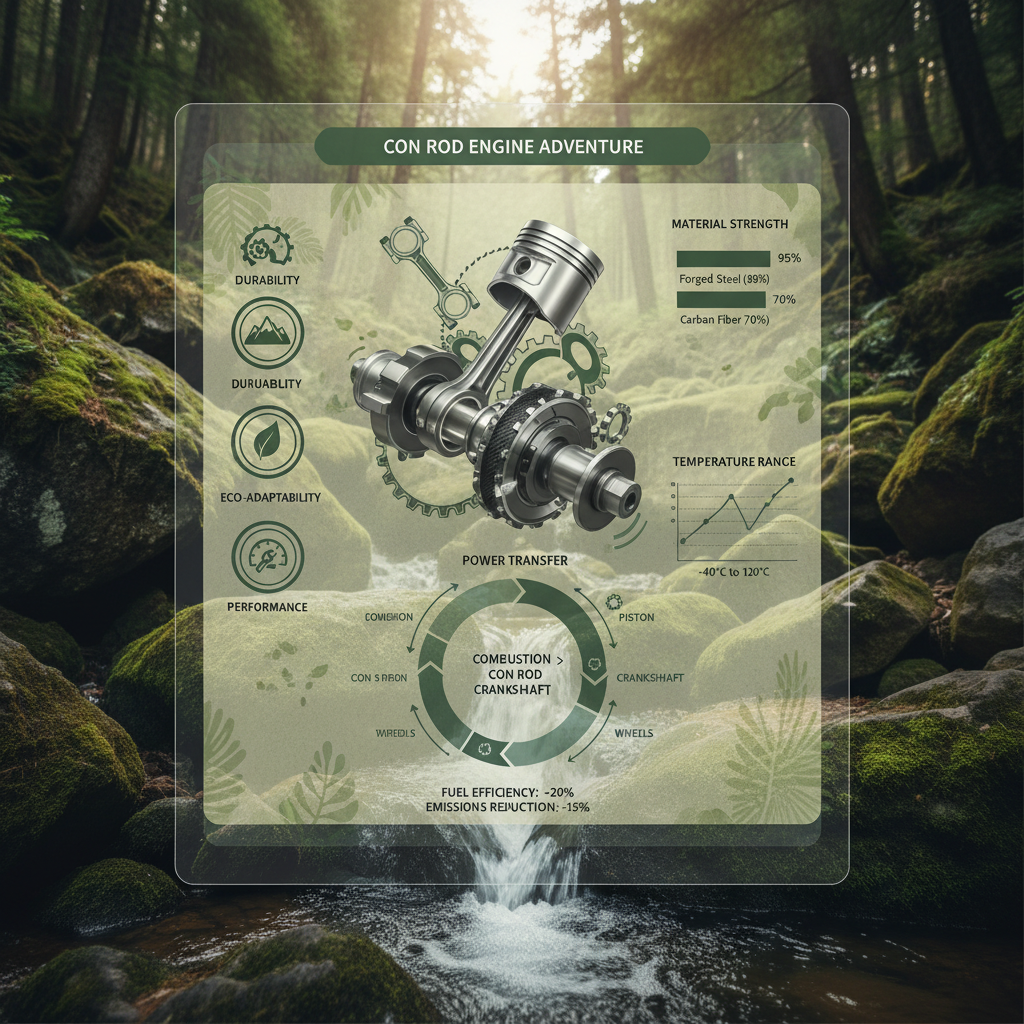
The con rod engine's primary function is to transmit the force generated by the combustion process to the crankshaft, initiating the engine's rotational power. This critical connection demands a component engineered for exceptional strength, durability, and precision. The design must withstand immense cyclical stresses, including tensile, compressive, and bending forces, all while maintaining a relatively lightweight profile to minimize inertia.
Materials selection is also paramount. Traditionally, forged steel has been the material of choice due to its high strength-to-weight ratio. However, advancements in materials science have introduced alternatives such as titanium alloys, offering even greater strength and reduced weight, albeit at a higher cost. The choice of material ultimately depends on the specific application and performance requirements of the engine.
The Global Importance of con rod engine
The con rod engine is a ubiquitous component in a vast array of industries worldwide. From powering automobiles and trucks to driving generators and pumps, its influence is far-reaching. The automotive sector, in particular, accounts for the largest share of con rod engine demand, with Asia-Pacific currently leading global vehicle production. According to Statista, automotive production in Asia-Pacific surpassed 50 million units in 2023.
Beyond automotive, the marine industry relies heavily on robust con rod engines for propulsion systems in ships and boats. Agricultural machinery, construction equipment, and industrial generators also depend on the reliable performance of these components. The global market for engine components, including con rod engines, is projected to experience steady growth in the coming years, driven by increasing industrialization and infrastructure development in emerging economies.
The geopolitical significance of con rod engine manufacturing is also noteworthy. Countries with established automotive industries and advanced manufacturing capabilities, such as China, Germany, and Japan, are major players in the global supply chain. Ensuring a stable and resilient supply of these critical components is essential for maintaining economic stability and national security.
Defining the con rod engine
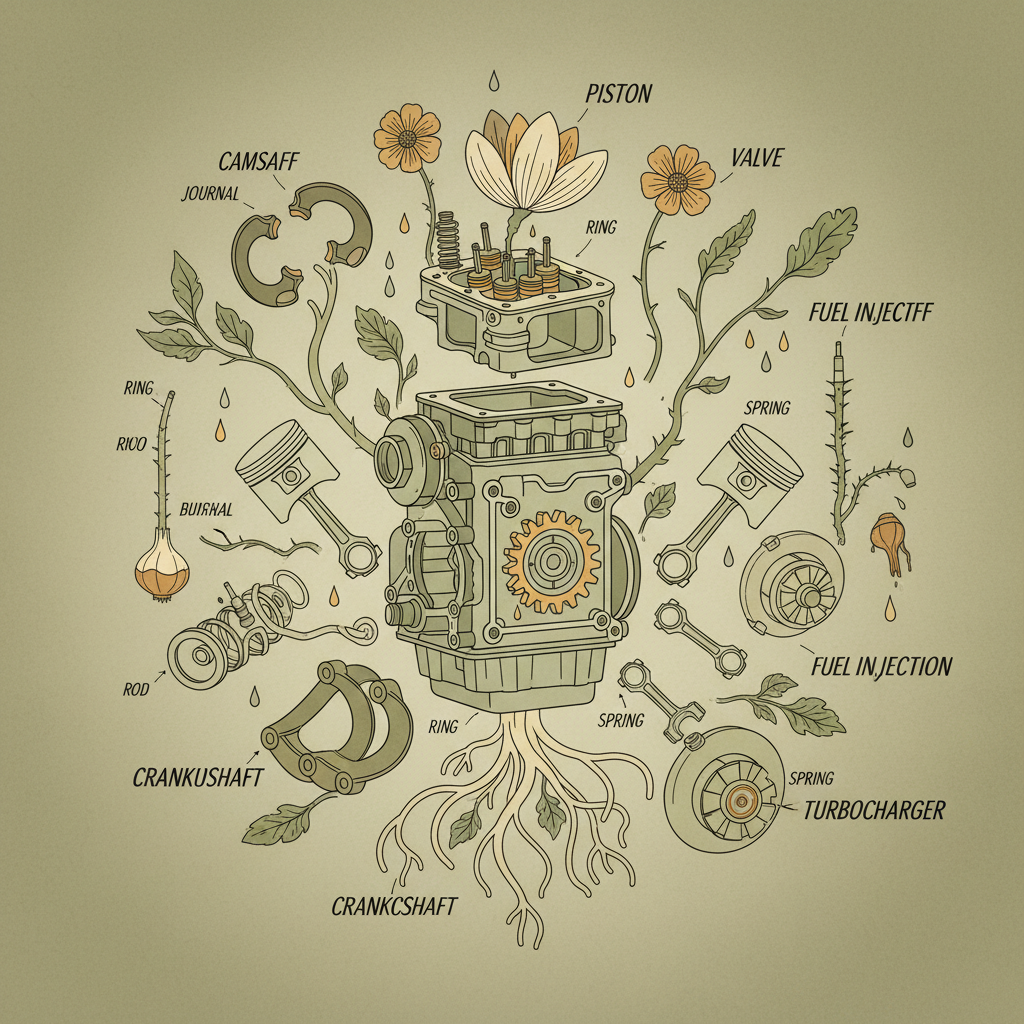
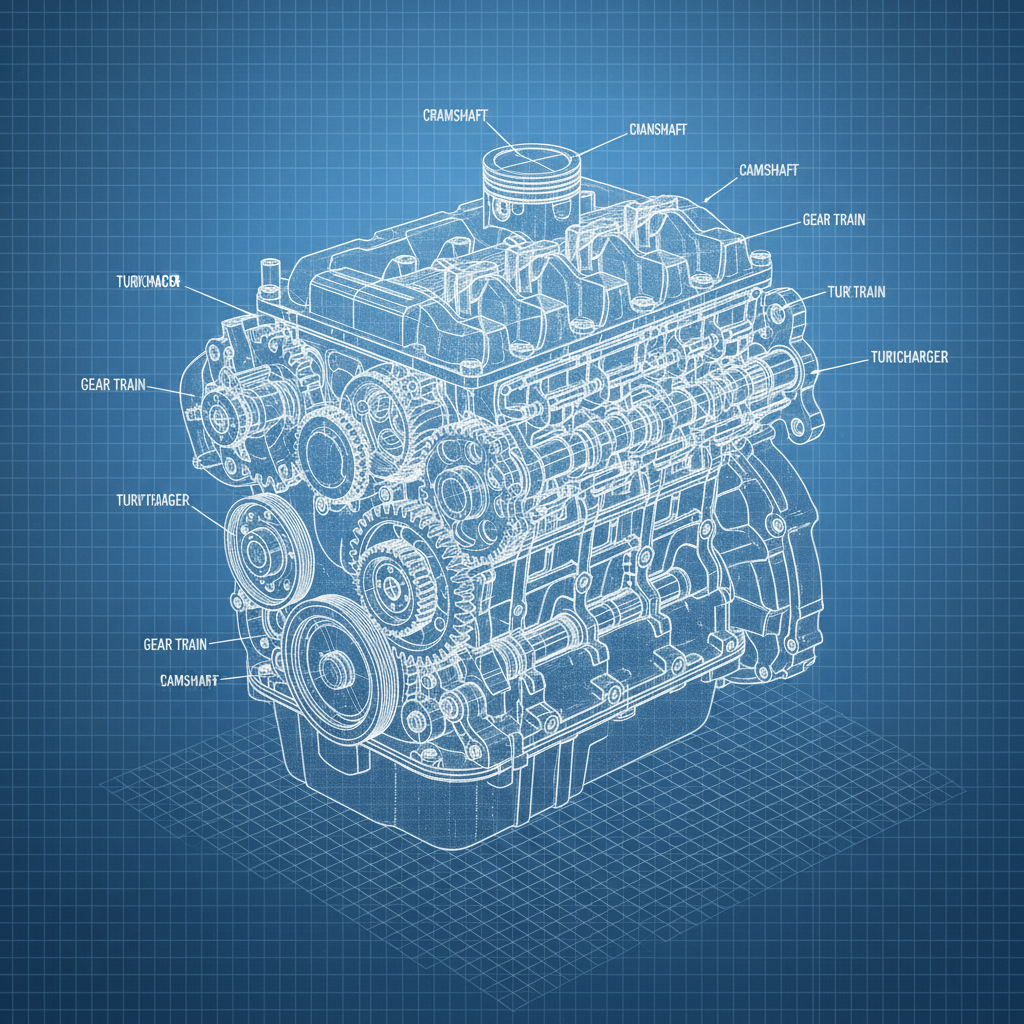
A con rod engine, or connecting rod engine, is the link between the reciprocating piston and the rotating crankshaft in an internal combustion engine. It’s a crucial component that converts the linear (up and down) motion of the piston into the rotational motion needed to power vehicles, machinery, and more. Essentially, the con rod engine transmits the force from combustion to the crankshaft, creating the engine’s torque.
Its connection to modern industry is undeniable. The automotive industry is wholly reliant on robust and efficient con rod engines to drive vehicles globally. But its application extends far beyond cars; it’s fundamental to power generation, marine propulsion, and heavy industrial equipment. The reliability and performance of this seemingly simple component directly impact the overall efficiency and longevity of these systems.
The evolution of the con rod engine has directly paralleled advancements in engine technology. From early, simpler designs to the sophisticated, lightweight, and high-strength components of today, continuous innovation has focused on improving efficiency, reducing friction, and enhancing durability, making it a critical element in addressing modern industrial and environmental challenges.
Key Characteristics of a High-Performance con rod engine
A high-performance con rod engine isn't just about raw strength; it's about a meticulous balance of several key characteristics. First, Strength and Durability are paramount. The component must withstand immense stresses generated during combustion, resisting fatigue and preventing failure. Second, Weight Reduction is crucial. Lighter con rods reduce inertia, allowing for quicker engine response and higher RPMs.
Third, Precision Manufacturing is vital. Tight tolerances and accurate dimensions ensure proper alignment and minimize friction. Fourth, Material Selection dictates performance. Forged steel remains common, but titanium and advanced alloys offer superior strength-to-weight ratios. These factors contribute to increased engine efficiency and longevity.
con rod engine Performance Metrics
Global Applications and Use Cases of con rod engine
The applications of con rod engines are incredibly diverse. In the automotive industry, they are the fundamental component within gasoline and diesel engines powering everything from compact cars to heavy-duty trucks. In the marine sector, they drive the propulsion systems of cargo ships, fishing vessels, and recreational boats, facilitating global trade and transportation.
Industrial applications also heavily rely on con rod engines. They power generators providing electricity in remote areas, drive pumps in oil and gas extraction, and operate compressors in manufacturing plants. In developing nations, smaller con rod engines are often used in agricultural machinery, helping to improve food production and support local economies. In post-disaster relief operations, portable generators equipped with con rod engines provide essential power for emergency services and humanitarian aid.
The aerospace industry, while increasingly turning to jet engines, still utilizes internal combustion engines with con rod engine technology in certain auxiliary power units (APUs) and specialized aircraft. This highlights the continued relevance and adaptability of this core engineering component across a broad spectrum of industries and geographical locations.
The Advantages of Advanced con rod engine Technology
Advanced con rod engine technologies offer tangible benefits across multiple dimensions. Cost savings are realized through improved fuel efficiency and reduced maintenance requirements. The use of lightweight materials like titanium alloys enhances performance, leading to increased horsepower and quicker acceleration. Sustainability is improved through reduced emissions and extended engine lifespan.
From a practical standpoint, advanced con rod engine design contributes to increased reliability and reduced downtime, crucial for businesses relying on continuous operation. The emotional benefits center on peace of mind, knowing that the engine is durable and dependable. Trust in the quality and performance of the component builds brand loyalty and fosters long-term customer relationships.
Future Trends in con rod engine Development
The future of con rod engine development is focused on further enhancing efficiency, reducing emissions, and increasing durability. Research into new materials, such as carbon fiber composites, is aimed at creating even lighter and stronger connecting rods. Digital technologies, including advanced modeling and simulation, are being used to optimize designs and predict performance.
Additive manufacturing (3D printing) holds immense promise for creating complex con rod geometries and customized designs tailored to specific engine applications. The integration of sensor technology and data analytics will enable real-time monitoring of con rod engine performance, allowing for predictive maintenance and optimized operation.
Furthermore, hybrid and electric vehicle technologies are driving innovation in con rod engine design. Even as electric vehicles gain prominence, internal combustion engines will continue to play a significant role, particularly in commercial transport and specialized applications. Developing con rod engines that can operate efficiently with alternative fuels and hybrid powertrains will be crucial for a sustainable future.
Challenges and Solutions in con rod engine Manufacturing
Despite advancements, challenges remain in con rod engine manufacturing. Maintaining consistent material quality is crucial, as even minor defects can compromise strength and durability. The complexity of forging and machining processes requires skilled labor and precise tooling. Ensuring dimensional accuracy and minimizing surface imperfections are also critical concerns.
Innovative solutions are emerging to address these challenges. Advanced non-destructive testing (NDT) methods, such as ultrasonic inspection and X-ray imaging, are used to detect internal flaws and ensure material integrity. Automated manufacturing processes, including robotic forging and precision machining, improve consistency and reduce human error.
Furthermore, the adoption of lean manufacturing principles and Six Sigma methodologies optimizes production processes, minimizing waste and maximizing efficiency. By embracing these advancements, manufacturers can overcome existing hurdles and deliver high-quality, reliable con rod engines that meet the demands of a constantly evolving market.
Summary of Key Challenges and Solutions in con rod engine Development
| Challenge |
Impact on con rod engine Performance |
Proposed Solution |
Expected Outcome |
| Material Inconsistencies |
Reduced Fatigue Life, Increased Failure Rate |
Advanced NDT and Material Certification |
Improved Reliability and Durability |
| Manufacturing Tolerances |
Increased Friction, Reduced Efficiency |
Automated Precision Machining |
Enhanced Performance and Fuel Economy |
| Surface Finish Defects |
Stress Concentration, Crack Initiation |
Polishing and Surface Treatment Techniques |
Extended Component Lifespan |
| Complex Geometries |
Manufacturing Difficulty, Increased Cost |
Additive Manufacturing (3D Printing) |
Design Freedom and Cost Reduction |
| Process Variability |
Inconsistent Quality, Higher Scrap Rate |
Lean Manufacturing and Statistical Process Control |
Improved Process Stability and Reduced Waste |
| Skilled Labor Shortage |
Difficulty Maintaining Quality Standards |
Automation and Workforce Training Programs |
Enhanced Expertise and Increased Productivity |
FAQS
The lifespan of a con rod engine is determined by a combination of factors including material quality, manufacturing precision, operating conditions (temperature, load), and maintenance practices. Regular oil changes, proper lubrication, and avoiding excessive engine stress are crucial for maximizing its service life. High-quality materials and precise manufacturing processes inherently contribute to greater durability, minimizing fatigue and potential failure points. Ultimately, the operating environment and careful maintenance have significant effects on how long a con rod engine lasts.
The weight of a con rod engine directly impacts engine performance. Lighter con rods reduce the overall reciprocating mass, leading to decreased inertia and allowing the engine to rev quicker. This translates to improved responsiveness, higher maximum RPMs, and potentially increased horsepower. However, reducing weight must not compromise strength and durability; advanced materials like titanium alloys are used to achieve this balance. Heavier con rods, while potentially more durable, can limit engine speed and responsiveness.
Several symptoms can indicate a failing con rod engine. A knocking or tapping sound emanating from the lower engine area is a common sign, often increasing with engine speed. Reduced oil pressure, excessive engine vibration, or metal particles in the oil are also warning signs. In severe cases, a catastrophic engine failure can occur. It's crucial to address these symptoms promptly to prevent further damage and avoid costly repairs.
Forged steel is the most common material used in con rod engine construction due to its excellent strength-to-weight ratio and affordability. However, titanium alloys are increasingly used in high-performance applications where weight reduction is critical. Aluminum alloys are also sometimes used, but they typically require reinforcement with steel inserts to withstand the high stresses. The choice of material depends on the engine's intended application and performance requirements.
Lubrication is absolutely critical for a con rod engine. It reduces friction between the connecting rod and the crankshaft journal, preventing wear and tear. Adequate lubrication also helps dissipate heat generated by friction, preventing overheating and potential failure. Insufficient lubrication leads to increased friction, accelerated wear, and ultimately, catastrophic engine damage. Regularly checking and maintaining proper oil levels and quality is essential for long engine life.
Balancing the con rod engine assembly is vital for smooth engine operation. Imbalances create vibrations that can lead to premature wear, reduced performance, and even engine damage. The process involves carefully balancing the connecting rods, pistons, and crankshaft to ensure they rotate harmoniously. Precise balancing minimizes vibrations, maximizes efficiency, and extends engine life. This is often achieved through careful machining and the addition of balancing weights.
Conclusion
In conclusion, the con rod engine is an indispensable component in a multitude of industries, playing a critical role in powering modern life. From its fundamental function of transmitting force to its influence on engine performance and efficiency, understanding its design, materials, and manufacturing processes is crucial for engineers, mechanics, and anyone involved in the automotive and industrial sectors. Continuous innovation in materials science and manufacturing techniques is driving advancements in con rod engine technology, leading to improved durability, reduced weight, and increased performance.
Looking ahead, the future of the con rod engine will be shaped by the demand for sustainable and efficient solutions. The integration of advanced materials, digital technologies, and innovative manufacturing processes will be key to addressing the challenges of reducing emissions and enhancing fuel economy. Investing in research and development, coupled with a commitment to quality and precision, will ensure that the con rod engine continues to play a vital role in powering the world for generations to come. Visit our website at con rod engine to explore our range of products.