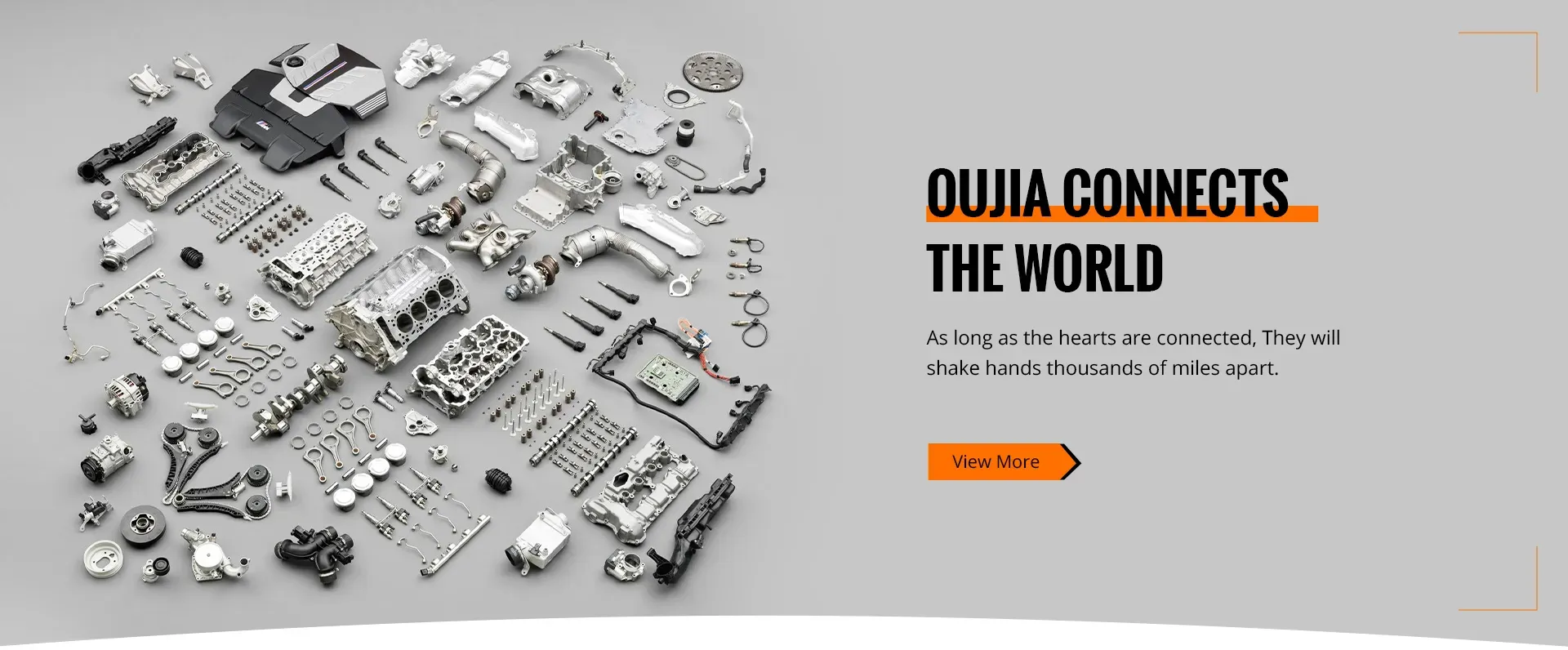

In any internal combustion engine, the camshaft plays an essential role in controlling engine breathing — that is, the intake of air/fuel and the expulsion of exhaust gases. Modern engines rely on precisely engineered camshafts to optimize cam intake and exhaust timing for maximum power, fuel economy, and emissions control. The Exhaust Camshaft 1011A493 is a high-quality replacement part specifically designed for Mitsubishi’s 4B10 and 4B11 engine families, which are widely used in vehicles such as the Mitsubishi Lancer and ASX.
This comprehensive article explains in detail how the Exhaust Camshaft 1011A493 functions, its design specifications, and its application in the 4B10/4B11 engine platform. Throughout the discussion, key terms such as camshaft intake valve, inlet camshaft, exhaust valve, valved exhaust, and electronic exhaust valve will be integrated to give a complete understanding of camshaft technology and its impact on engine performance. The article will position Hebei OUJIA Import & Export Trading Co., Ltd. as the trusted supplier of this critical engine component.
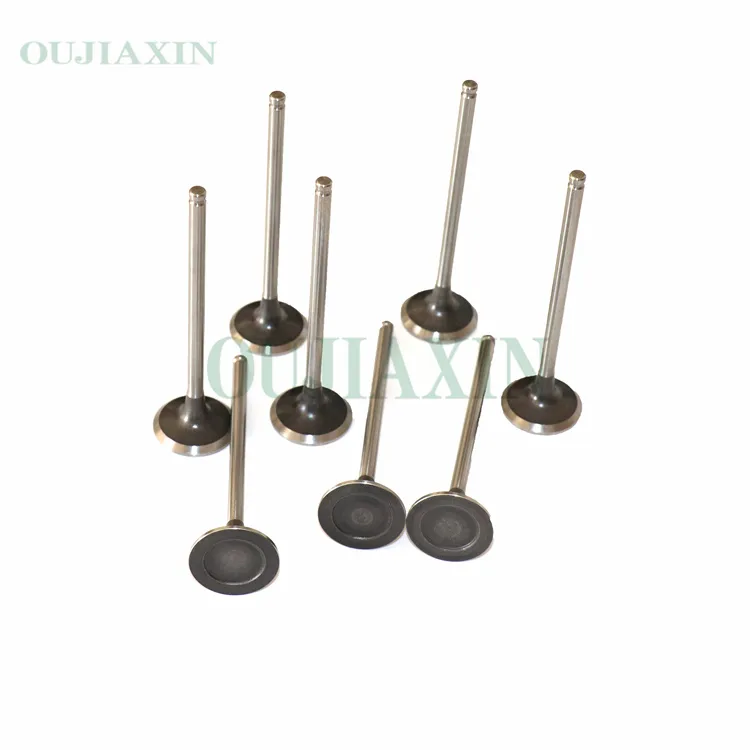
In a four-stroke internal combustion engine, the camshaft is responsible for controlling the opening and closing of the engine’s valves. There are two main types of camshaft roles:
Ensuĉa kamŝafto — controls the cam intake process by opening and closing the intake valves
Exhaust camshaft — controls the exhaust valve function, facilitating the release of combustion gases
The 4B10/4B11 engine utilizes a dual overhead camshaft (DOHC) configuration with separate camshafts for intake and exhaust, allowing for precise valve timing and improved performance across varying engine speeds.
Why Valve Timing Matters
Each cylinder operates on a four-stroke cycle — intake, compression, power, and exhaust. During the intake stroke, the camshaft intake valve mechanism opens the intake valve, allowing the air/fuel mixture to enter the combustion chamber. During the exhaust stroke, the exhaust valve opens at a precise moment to expel combustion gases. The camshaft controls these events via lobes that press against valve lifters, converting rotational motion into vertical movement.
The precise coordination of valve timing is crucial for engine efficiency, power delivery, fuel consumption, and emissions control. Even slight deviations in camshaft profile or installation timing can lead to performance loss or engine damage.
The Exhaust Camshaft 1011A493 is engineered to meet the exact specifications of Mitsubishi 4B10 and 4B11 engines. Its design ensures optimal exhaust valve timing, allowing the engine to expel combustion gases efficiently and prepare for the next intake cycle.
Technical Dimensions
Lobe lift: 5.5mm — affecting how far the exhaust valve opens
Center distance: 105.8mm — the spacing between cam lobes and bearing journals
OEM reference: 13715 37030 — cross-reference to Mitsubishi OEM catalog
These dimensions ensure a perfect fit and alignment with the valvetrain geometry of the 4B10/4B11 engines.
Role in Exhaust Gas Flow
The Exhaust Camshaft 1011A493 operates the exhaust valves during the engine’s exhaust stroke. Opened at the correct moment, the exhaust valves allow spent combustion gases to exit the cylinder smoothly. This process is essential for:
Maintaining combustion efficiency
Reducing backpressure
Improving breathing for the next intake cycle
In performance-oriented or emission-controlled engines, accurate camshaft profiles help balance power output with legal emissions regulations.
Camshaft Profile and Design
Unlike a simple rotating shaft, the exhaust camshaft has carefully shaped lobes that determine how quickly and how far each valve opens. A steeper lobe profile results in faster valve opening and closing, which can improve high-RPM power. A milder profile may emphasize smooth idle behavior and fuel economy.
The 5.5mm lobe lift and 105.8mm center distance of the 1011A493 camshaft are calibrated to support the combustion dynamics of a 1.8-2.0L engine while maintaining durability under long service intervals.
To appreciate the significance of an exhaust camshaft, it is important to understand its relationship with other engine components — notably the inlet camshaft and exhaust hardware.
Interaction with the Intake System
The intake camshaft (or inlet camshaft) governs the cam intake stroke, wherein the intake valves open to allow fresh air and fuel into the combustion chamber. Correct synchronization between the intake and exhaust camshafts — often managed via a timing belt or chain — ensures that intake valves do not open prematurely or late relative to exhaust valve events.
This coordination influences:
Engine torque
Power output
Emissions
Fuel efficiency
An imbalance between intake and exhaust timing can lead to unburnt fuel, poor combustion, and overheating.
Exhaust Path and Valving Technology
The exhaust valve itself sits atop the combustion chamber and is actuated by the camshaft lobes. Proper opening timing allows combustion gases to exit rapidly, minimizing residual heat and pressure in the cylinder. The architecture of the exhaust system downstream — including headers, manifolds, and catalytic systems — further affects engine breathing.
In some advanced engines, variable valve timing or electronic exhaust valve systems help optimize exhaust flow depending on engine load and speed. Although the Mitsubishi 4B10/4B11 typically uses mechanical cam timing, future advancements may include electronically controlled exhaust valves to further refine emissions and performance.
A camshaft must survive extreme rotational forces, high temperatures, and repeated stress cycles. The Exhaust Camshaft 1011A493 is manufactured using high-grade alloy steels and precision machining processes to ensure:
High tensile strength
Resistance to wear on lobe surfaces
Minimal distortion under thermal expansion
Long service life
Cam lobes are often hardened through induction heating or surface treatment to withstand continuous contact with lifters or tappets. The core material provides ductility and impact resistance, preventing fracture under unexpected load spikes.
Quality assurance processes — including dimensional inspection and surface finish evaluation — ensure every camshaft meets or exceeds Mitsubishi factory tolerances.
When maintaining or rebuilding the 4B10/4B11 engine series, selecting a high-quality replacement camshaft like the 1011A493 yields several advantages:
Proper valve opening and closing ensure that intake and exhaust cycles occur at the right moment, supporting combustion efficiency and engine responsiveness.
Efficient evacuation of exhaust gases reduces engine pumping losses, aiding torque production and fuel economy.
Precision engineering and hardened surfaces extend service life and reduce the risk of premature wear.
Balanced cam profiles contribute to smooth idle behavior, predictable throttle response, and consistent performance across rpm ranges.
Using a part that matches OEM specifications — such as 13715 37030 — ensures proper alignment and compatibility with related valvetrain systems.
As a reputable supplier in the global auto parts market, Hebei OUJIA Import & Export Trading Co., Ltd. offers high-quality replacement parts for a wide range of vehicle engines, including the Mitsubishi 4B10/4B11 series. Their inventory includes critical components such as:
Exhaust Camshaft 1011A493
Intake and exhaust hardware
Engine head components
Valvetrain assemblies
Performance upgrades
OUJIA partners with quality manufacturers to ensure parts are engineered to strict standards, providing customers with reliable engine performance and peace of mind. Their comprehensive supply chain, competitive pricing, and export experience make them a preferred source for automotive and industrial engine components worldwide.
Proper installation and routine care help maximize the lifespan of the Exhaust Camshaft 1011A493:
Precision Timing Setup
Correct camshaft timing alignment with the inlet camshaft is essential. Use OEM timing marks and torque sequences.
Valvetrain Inspection
Check valve clearances, lifters, and timing mechanisms before installation. Worn components can accelerate cam lobe wear.
Oil Quality
Use manufacturer-recommended engine oil and regular change intervals. Adequate lubrication reduces camshaft wear drastically.
Monitoring Performance
Symptoms of camshaft or valvetrain issues include rough idle, loss of power, misfires, or unusual noises. Early diagnosis prevents further engine damage.
The Exhaust Camshaft 1011A493 is a core valvetrain component that directly impacts the performance, efficiency, and reliability of Mitsubishi 4B10 and 4B11 engines. By precisely controlling the exhaust valve timing, this camshaft ensures efficient exhaust gas evacuation and supports optimal engine breathing when paired with the camshaft intake valve system.
Modern engine design requires components crafted with exacting standards — including careful material selection, heat treatment, and dimensional accuracy. Supplied by Hebei OUJIA Import & Export Trading Co., Ltd., the Exhaust Camshaft 1011A493 meets these demands and provides a durable, reliable replacement for maintenance, rebuilds, or performance restorations.
Understanding how parts like the inlet camshaft, cam intake systems, and exhaust control mechanisms interact underscores the importance of using OEM-grade components. For technicians, fleet operators, and rebuild specialists, selecting the right camshaft ensures sustained engine health, reduced emissions, and consistent power delivery.