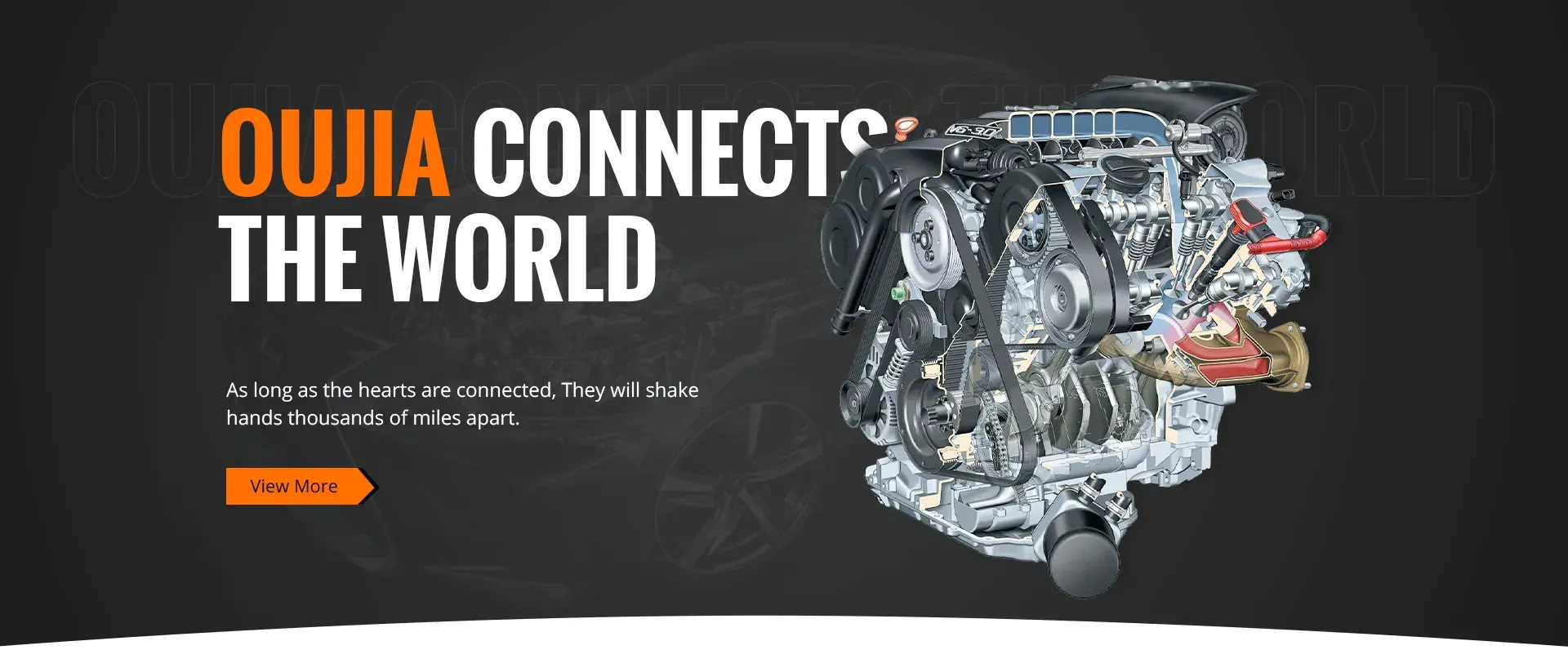
The engine is the heart of every traditional Audi vehicle, providing the power required for acceleration, cruising, towing, and everyday driving. Over decades of development, Audi has introduced a wide range of engine technologies, including naturally aspirated gasoline engines, TDI diesel engines, turbocharged TFSI gasoline engines, mild-hybrid powertrains, and high-performance engines for S and RS models. These power units combine advanced combustion technology, turbocharging, direct fuel injection, thermal management, lightweight construction, and sophisticated valve-control systems.
For automotive distributors, repair workshops, vehicle owners, and international buyers, sourcing an Audi Engine requires a clear understanding of the vehicle's application and engine configuration. Audi has used different engine families, displacements, cylinder arrangements, engine codes, and specifications across its models and production generations. Therefore, an engine that appears suitable based only on displacement or vehicle model may not necessarily be a direct replacement.
Audi describes TFSI as its gasoline engine technology combining turbocharging with fuel injection, designed to achieve precise fuel distribution, efficient combustion, and strong power delivery.
For customers looking for Audi engine assemblies and related automotive products, Hebei Oujia Import And Export Trade Co., Ltd. provides international sourcing support and helps customers evaluate engine requirements according to model, year, engine code, and application information.

Audi's engine technology covers a broad range of configurations. Depending on the model and generation, Audi vehicles have been equipped with four-cylinder, five-cylinder, six-cylinder, eight-cylinder, and other engine configurations. Each configuration has been developed for a different balance of performance, efficiency, packaging, and driving characteristics.
The 2.0 TFSI Engine is one of Audi's most widely recognized gasoline engine configurations. It combines a relatively compact displacement with turbocharging and direct injection to deliver strong torque and responsive acceleration. Audi's technical information for the TT, for example, lists 1,984 cc four-cylinder TFSI engines with different power outputs depending on the version. The engines also use sophisticated thermal management and variable valve-control technology.
Modern Audi engine development increasingly focuses on achieving the right balance between displacement, turbocharging, efficiency, and performance. Audi refers to this approach as "rightsizing." Technologies such as turbocharging, Audi valvelift system, integrated exhaust manifolds, and advanced combustion processes help optimize engine performance under different operating conditions.
Another important Audi power unit is the 2.5 TFSI five-cylinder engine, particularly associated with the RS 3. Audi explains that the modern 2.5 TFSI combines turbocharging, direct injection, dual injection, Audi valvelift technology, lightweight construction, and sophisticated thermal management. The current generation produces up to 400 PS and 500 Nm in the RS 3 specification described by Audi.
The five-cylinder configuration has also become an important part of Audi's engineering heritage. Audi introduced its first production five-cylinder engine in the Audi 100 in the 1970s, and the configuration later became strongly associated with Audi's motorsport and RS performance vehicles.
Audi has also developed powerful V6 and V8 engines for larger vehicles and performance applications. The 3.0 TFSI V6 and 2.9 TFSI V6 are examples of engines using advanced combustion strategies and Audi valvelift technology. Audi's technical documentation explains that the 3.0 TFSI uses a sophisticated combustion process designed to improve efficiency while maintaining strong power delivery.
At the higher end of the performance range, Audi has used V8 engines in models such as the RS Q8. Audi currently describes the RS Q8 performance as using a four-liter twin-turbo V8, demonstrating how the brand continues to combine high displacement, turbocharging, sophisticated engine management, and high-output performance.
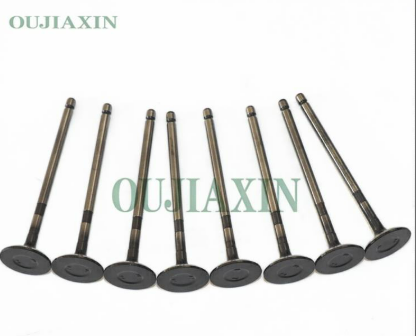
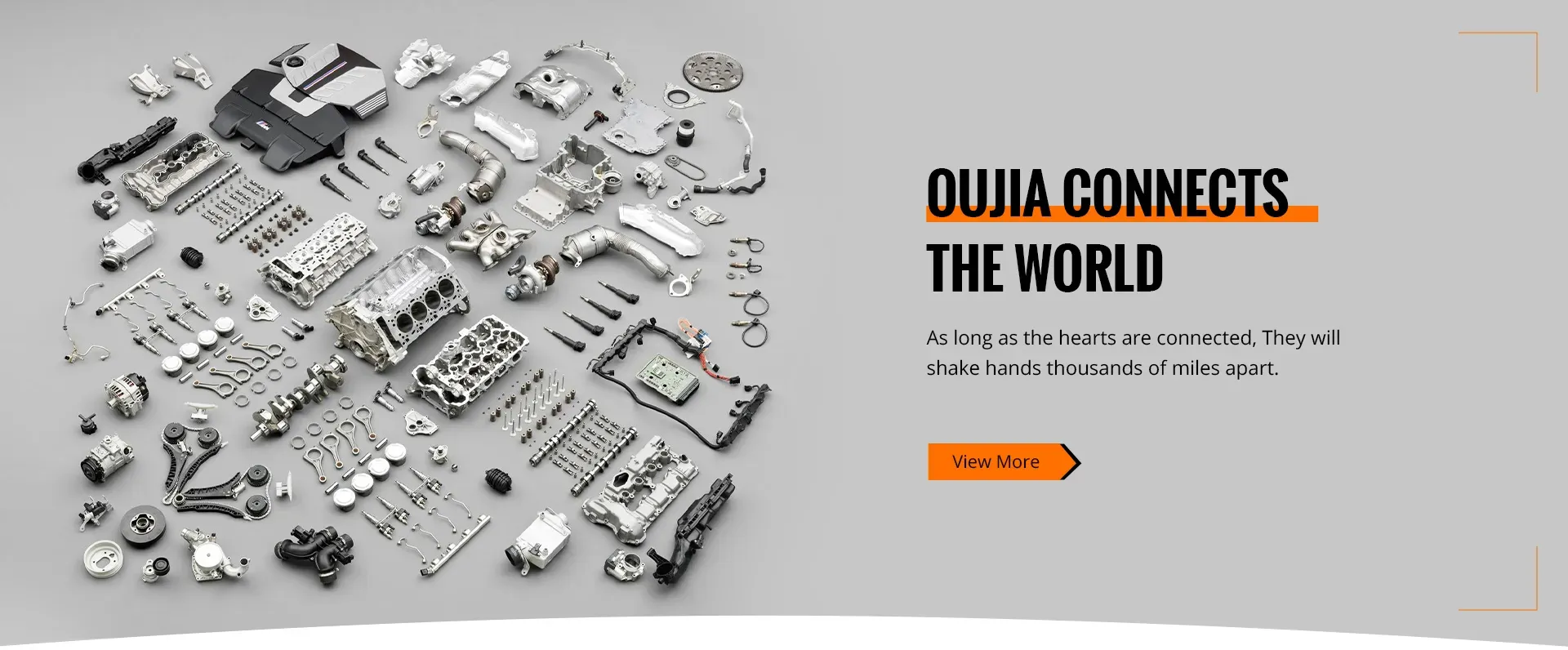
From a component perspective, a modern Audi Engine is made up of many precisely matched parts. The engine block provides the primary structure, while the crankshaft converts piston movement into rotational force. Connecting rods transfer combustion forces between pistons and crankshaft, while pistons move inside the cylinders. The cylinder head contains valves, camshafts, and other components controlling the intake and exhaust process.
Other important systems include fuel injection, turbocharging, lubrication, cooling, ignition, exhaust after-treatment, and electronic engine management. The interaction of these systems determines how effectively the engine produces power and manages fuel consumption.
Audi's 2.5 TFSI provides a useful example of this integrated engineering approach. Audi states that its engine uses lightweight materials, plasma-coated cylinder liners, specially designed piston cooling channels, a hollow-bored crankshaft, and demand-controlled oil and cooling systems.
When an Audi Engine needs replacement, the most important consideration is compatibility. An engine should not be selected solely according to the vehicle's brand, model, or displacement. The exact engine generation and application should be verified before purchasing.
For example, several Audi models can use 2.0-liter TFSI engines, but their engine codes, power outputs, mounting arrangements, emissions equipment, electronic systems, turbocharger configurations, and internal components may differ. Audi's own product documentation shows that even engines with the same 2.0 TFSI designation can be offered with different power outputs and technical specifications.
When sourcing an Audi Engine, buyers should ideally provide the following information:
Audi model and production year
Engine displacement
Engine code
VIN, when available
Original engine part number
Number of cylinders
Transmission type
Drive configuration
Vehicle market or region
Complete engine or long-block requirement
Condition and specification requirements
The engine code is particularly valuable because it can distinguish between different engine generations and configurations. Two engines may have the same displacement but use different pistons, cylinder heads, crankshafts, sensors, turbochargers, wiring systems, or engine-management components.
Buyers should also understand what type of replacement engine they actually require. A complete engine assembly may include substantially more components than a long block. A long block typically focuses on the major internal engine assembly, while external accessories and certain intake, exhaust, fuel, cooling, or electrical components may need to be transferred from the original engine.
Before purchasing, it is therefore important to confirm the exact product configuration. If a workshop needs a complete replacement Engine, purchasing only a long block may result in additional component sourcing and installation work. Conversely, if the original accessories and external systems remain serviceable, a long block may be a more practical repair solution.
Engine condition is another important consideration. Depending on the sourcing channel and application, buyers may encounter new engines, replacement engines, remanufactured engines, used engines, long blocks, or short blocks. These products are not interchangeable in terms of condition, included components, price, or expected installation requirements.
For engine replacement, professional inspection of the vehicle is also important. Before installing another Engine, technicians should investigate why the original engine failed. Problems involving lubrication, overheating, fuel delivery, cooling, turbocharging, or engine management may cause damage to a replacement engine if the underlying issue is not corrected.
Maintenance history can also influence engine condition. Regular oil changes, correct engine oil, proper cooling-system maintenance, and timely replacement of worn components can help support long-term engine performance. For turbocharged Audi engines, proper lubrication and cooling are especially important because turbochargers operate under high temperature and rotational speed.
Another consideration is the relationship between the engine and transmission. An engine replacement should be checked against the vehicle's transmission, drivetrain, electronic control systems, engine mounts, exhaust configuration, and other associated components. Audi vehicles equipped with quattro all-wheel drive may have additional drivetrain considerations compared with front-wheel-drive configurations.
For these reasons, professional application verification is an important part of Audi Engine sourcing. Providing detailed original engine information can help reduce the risk of selecting an incompatible replacement.
For international automotive parts buyers, finding an Audi Engine is not simply a matter of locating a product with the right brand name. Successful sourcing requires accurate application information, technical communication, product matching, and attention to the actual requirements of the vehicle.
Hebei Oujia Import And Export Trade Co., Ltd. focuses on international automotive parts sourcing and can communicate with customers regarding Audi engine requirements for replacement, repair, wholesale, distribution, and aftermarket applications.
For customers looking for an Audi Engine, Hebei Oujia recommends providing detailed information before confirming a purchase. Model, production year, engine code, displacement, original part number, VIN information, and photos of the existing engine can all help with product identification.
This approach is especially useful because Audi has produced many engine families over different generations. A 2.0 TFSI from one application may not be identical to another 2.0 TFSI, while V6 and V8 engines can also have different configurations depending on model, performance level, production year, and market.
Audi's current technical information demonstrates this diversity. The company's engine technology portfolio includes four-cylinder TFSI engines, five-cylinder performance engines, V6 TFSI engines, V8 power units, TDI technologies, mild-hybrid systems, and other powertrain solutions.
For buyers and distributors, accurate product identification can help improve purchasing efficiency. Instead of searching only for "Audi engine," customers can provide a complete application description, such as the Audi model, engine code, year, displacement, and required engine assembly type.
Hebei Oujia can then communicate according to the customer's specific requirements and assist with sourcing the appropriate engine-related solution. This application-based approach is particularly valuable for international buyers who may be purchasing engines for workshops, vehicle repair businesses, spare-parts distribution, or aftermarket sales.
Another important consideration is product configuration. Customers should confirm whether they need a complete Engine, long block, short block, or specific internal components. The required configuration can significantly affect installation procedures and the total cost of a replacement project.
For workshops, having accurate engine information before ordering can also help reduce downtime. A correctly identified engine is easier to evaluate for compatibility with the existing transmission, electrical system, cooling system, exhaust system, and other vehicle components.
For distributors, accurate engine identification can help create better product listings and reduce compatibility-related inquiries. Instead of using a generic description, a product page can include engine codes, compatible models, production years, displacement, configuration, and other relevant specifications.
Audi's engineering philosophy demonstrates why precision is important. Its TFSI technology combines turbocharging and direct injection, while modern engine designs use sophisticated valve control, thermal management, lightweight materials, and combustion strategies.
Therefore, selecting an Audi Engine should always be based on compatibility and technical specifications rather than appearance or displacement alone.
For international customers looking for Audi engines and related automotive components, Hebei Oujia Import And Export Trade Co., Ltd. aims to provide an efficient sourcing and communication channel. Whether the requirement is a complete replacement engine, long block, short block, or other engine assembly, customers can provide their detailed application information for evaluation.
With accurate engine identification and professional sourcing support, buyers can make more informed purchasing decisions and reduce the risks associated with incorrect engine selection. For Audi repair, replacement, wholesale, and aftermarket applications, choosing the right Engine is an important step toward restoring dependable vehicle performance and extending the service life of the vehicle.