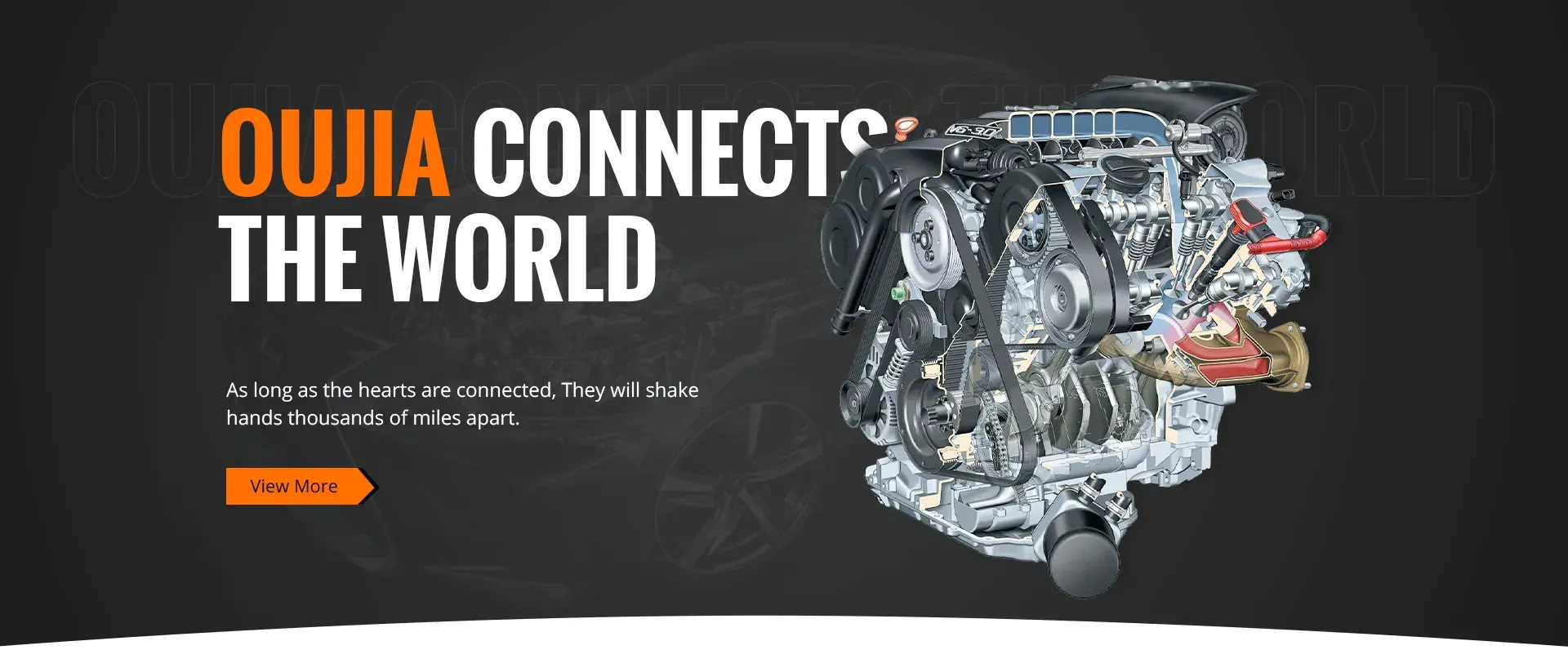
An engine is the heart of every internal combustion vehicle, converting fuel energy into mechanical power to deliver the performance drivers expect. For Audi vehicles, the engine must work in coordination with the transmission, cooling system, lubrication system, electronic controls, and exhaust system to provide reliable operation. When major internal components suffer severe damage, replacing the complete engine may be a practical alternative to repairing individual parts. This is where a suitable Engine Assembly becomes an important solution for automotive repair businesses and the international aftermarket.
Audi vehicles use a broad range of engines, including turbocharged gasoline engines, diesel engines, and different generations of powertrains designed for specific models and markets. Consequently, selecting an engine assembly requires more than matching the vehicle brand or displacement. Engine codes, production years, component configurations, emissions specifications, and electronic compatibility must all be considered.
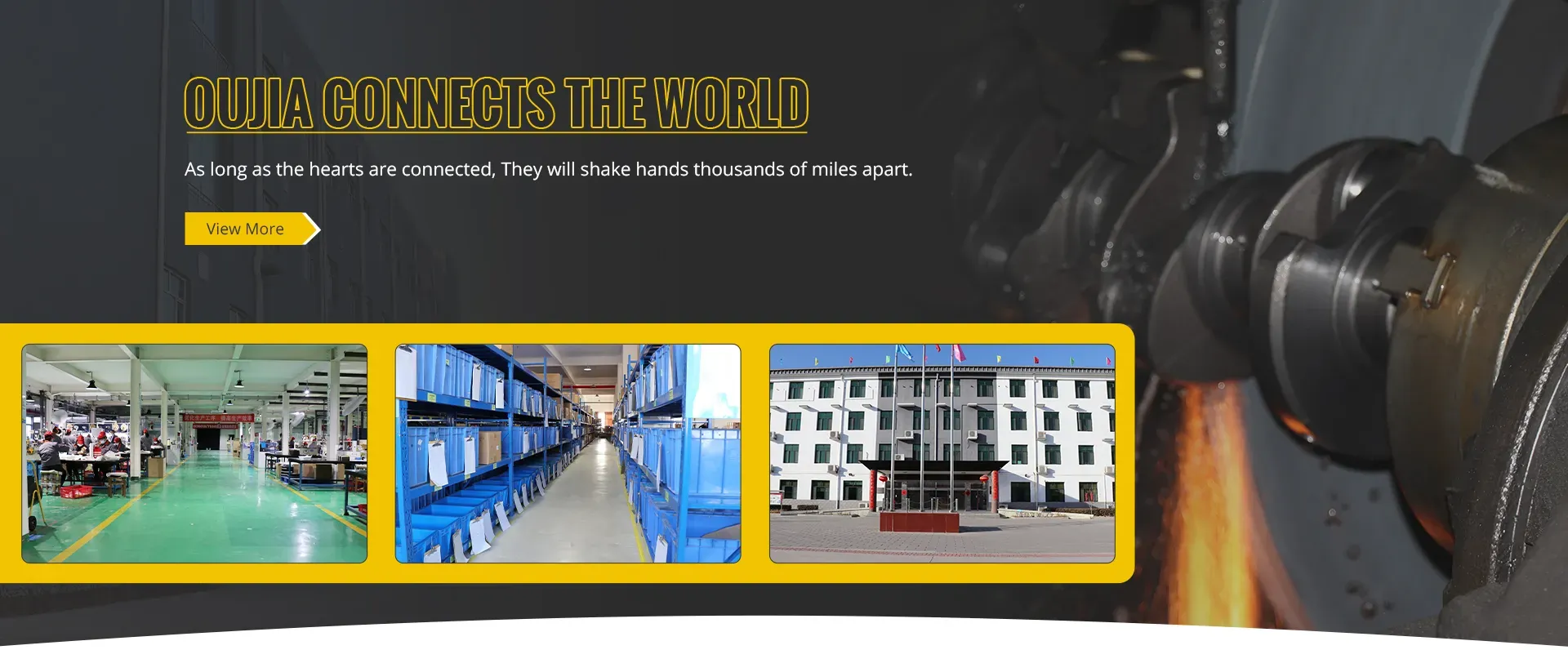
Hebei Oujia Import And Export Trade Co., Ltd. aims to connect with international automotive parts buyers and support engine component sourcing discussions. For importers, distributors, repair workshops, and vehicle rebuilders, understanding engine assembly configurations and purchasing requirements can help reduce compatibility risks and improve procurement efficiency.
This article introduces the structure and working principles of Audi engine assemblies, explains important quality and maintenance considerations, and provides a practical guide for sourcing suitable replacement engines for the automotive aftermarket.

An Engine Assembly is a complete or partially complete engine unit supplied as a coordinated group of components. Its exact configuration depends on the engine type, supplier, and product specification.
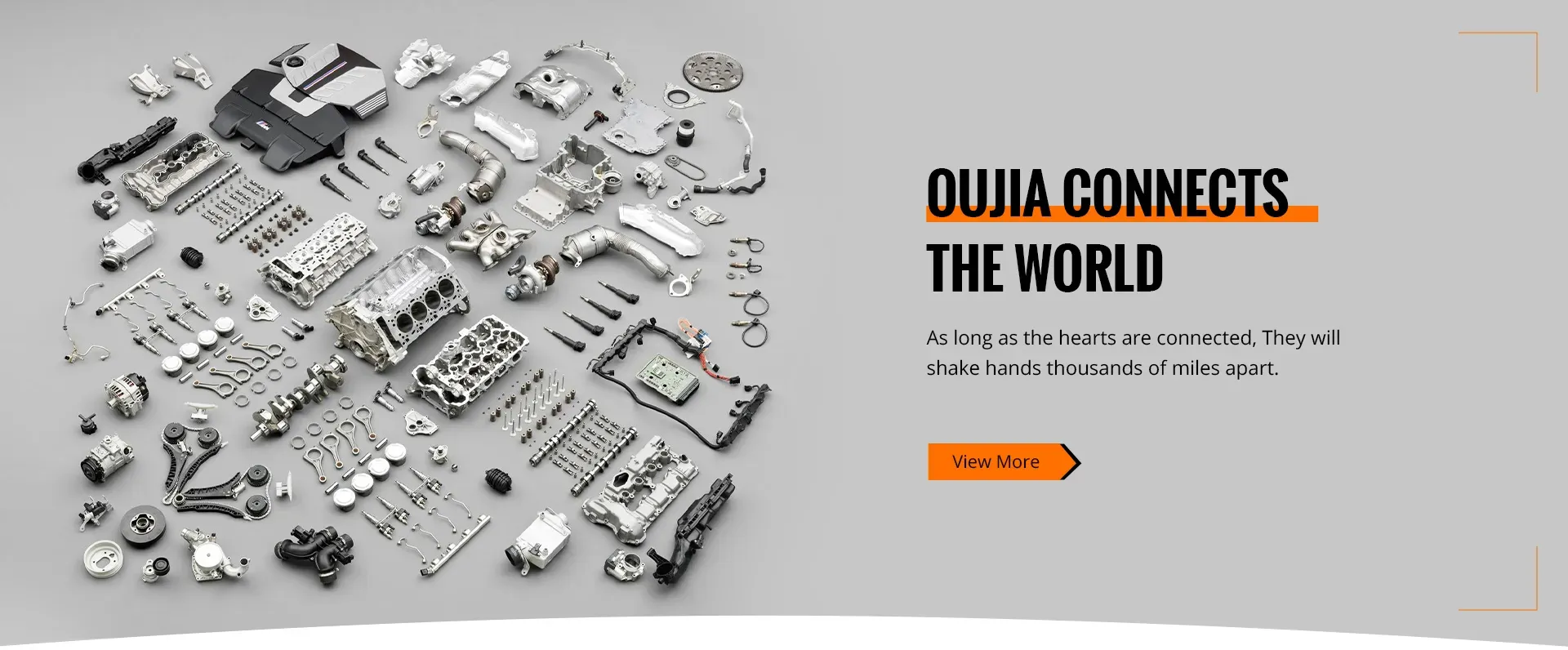
A long block commonly includes the engine block, cylinder head or heads, crankshaft, pistons, connecting rods, and relevant valve train components. A short block generally consists of the engine block and major internal rotating components, with the cylinder head and other parts supplied separately. A more complete engine assembly may also include selected accessories, sensors, fuel system components, intake components, or a turbocharger.
These terms are not always used consistently across suppliers. Buyers should therefore confirm the actual contents of the package instead of assuming that every product advertised as a complete engine includes all peripheral systems.
For Audi vehicles, the appropriate Engine Assembly depends on the original engine family and the vehicle's technical configuration. Two Audi vehicles with similar model names or engine displacement may use different engine versions, mounting arrangements, control systems, or emissions equipment.
An Audi engine assembly contains several interconnected components that work together to produce power and maintain reliable operation.
Engine block: The engine block forms the main structural foundation of the engine. It contains the cylinders or cylinder bores and supports the crankshaft and other major components. Its design must provide the necessary rigidity, dimensional accuracy, and interfaces for lubrication and cooling.
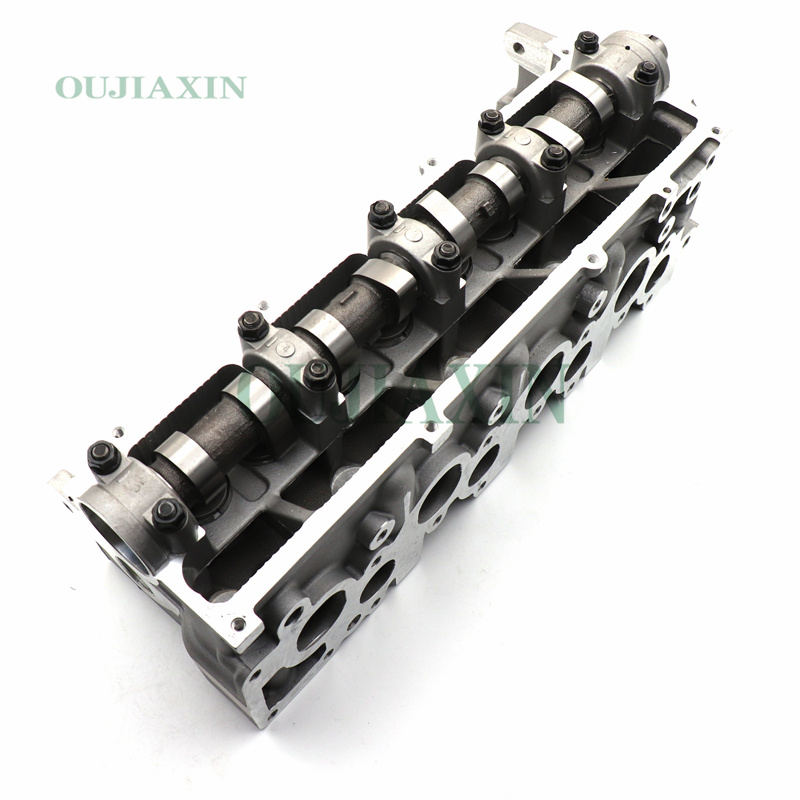
Cylinder head: The cylinder head is mounted above the engine block and forms the upper portion of the combustion chambers. It supports the intake and exhaust valve systems and contains relevant cooling and lubrication passages. Depending on the engine design, it may also accommodate camshafts and other valve train components.
Crankshaft: The crankshaft converts the pistons' reciprocating motion into rotational motion. It operates with the connecting rods and bearings, transferring combustion forces into usable mechanical output.
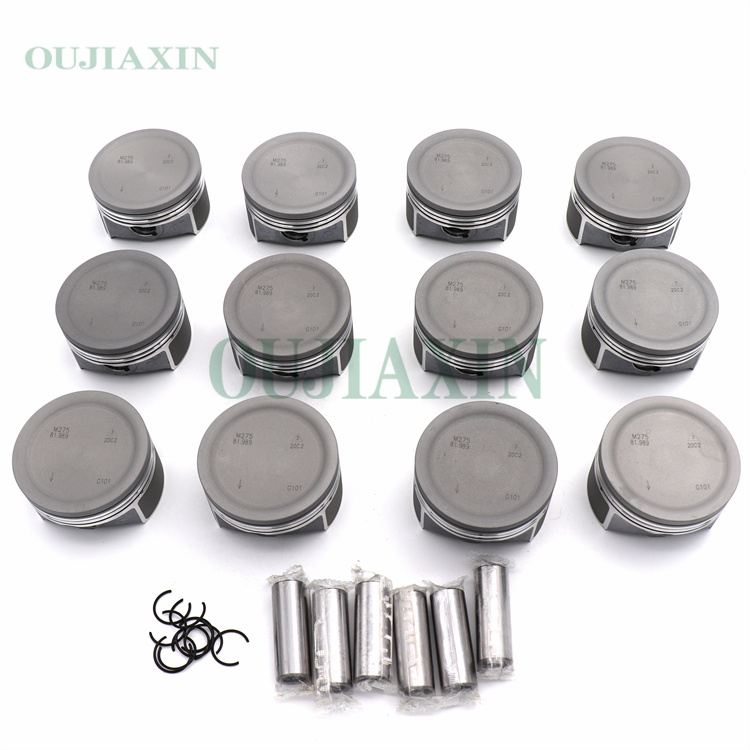
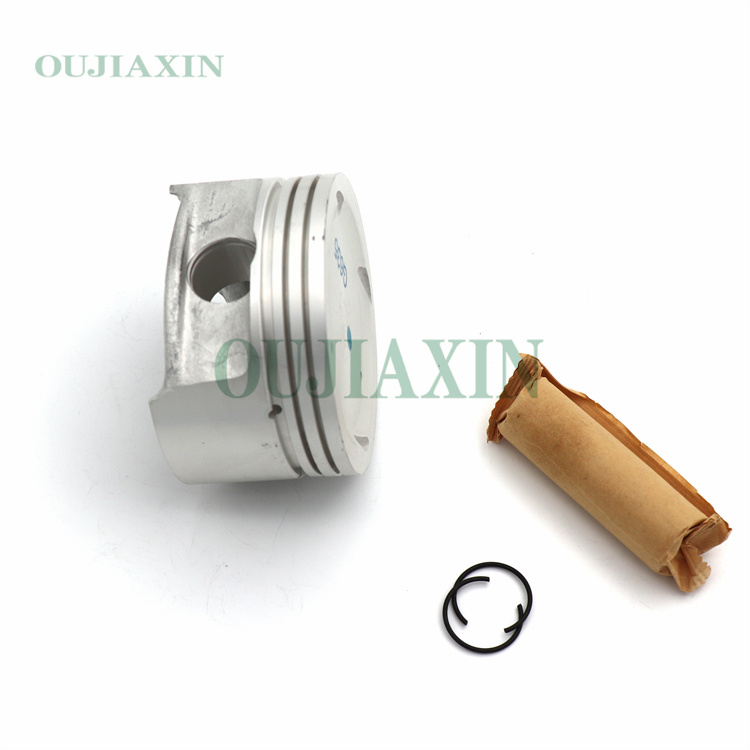
Pistons and connecting rods: Pistons move inside the cylinders as combustion pressure rises and falls. Connecting rods transmit the resulting forces to the crankshaft. These components must maintain appropriate clearances and withstand repeated mechanical and thermal loads.
Camshafts and valve train: Camshafts coordinate intake and exhaust valve movement. Depending on the engine architecture, the valve train may include followers, rocker arms, hydraulic elements, springs, and other components required for accurate valve operation.
Timing system: The timing belt or chain and associated components maintain the relationship between crankshaft and camshaft rotation. Correct timing is essential for proper combustion and, on interference engines, preventing piston-to-valve contact.
Lubrication system: The oil pump, oil passages, filters, and related components deliver engine oil to moving parts. Effective lubrication reduces friction, helps control wear, and supports heat removal from critical surfaces.
Cooling system interfaces: Coolant passages and related connections help regulate engine temperature. The cooling system must be compatible with the engine assembly and the vehicle's original configuration.
Intake, fuel, and exhaust-related components: Depending on the assembly configuration, these components may be included or supplied separately. Turbocharged Audi engines may also require specific turbocharger connections, sensors, and air-management components.
Electronic components: Modern engines rely on sensors and electronic controls to coordinate fuel delivery, ignition, boost pressure, and other operating functions. The compatibility of these components with the vehicle's control systems is an important consideration during replacement.
Understanding these components helps buyers distinguish between different assembly levels and determine which additional parts are required for installation.
Audi engines are engineered for different vehicle classes and operating requirements. Depending on the model, an engine may prioritize fuel economy, low-speed torque, high-speed performance, towing capability, or a combination of these characteristics.
Turbocharged gasoline engines use compressed intake air to support higher power output from a relatively compact engine package. Diesel engines use a different combustion process and often emphasize torque delivery and efficiency. Each configuration has specific requirements for internal components, lubrication, cooling, fuel delivery, and electronic management.
For example, the EA888 is a well-known Volkswagen Group gasoline engine family used in various applications, including certain Audi models. However, the family includes multiple generations and configurations. Buyers should not assume that all EA888 engines are interchangeable simply because they share a family name or nominal displacement.
A properly matched Engine Assembly supports the vehicle's intended mechanical performance and operating characteristics. An incompatible assembly, by contrast, may create installation difficulties, electronic faults, emissions compliance issues, or reduced reliability.
For this reason, engine replacement should begin with accurate identification and a clear understanding of the required engine configuration.
Engine assembly quality depends on the accuracy of individual components, the consistency of manufacturing processes, and the quality of final assembly. Critical dimensions must remain within the applicable engineering tolerances to ensure proper clearances, sealing, and component alignment.
Material quality: Engine blocks, cylinder heads, crankshafts, pistons, and connecting rods require materials suited to their specific mechanical and thermal loads. The appropriate material depends on the engine design and manufacturing specification.
Precision machining: Cylinder bores, bearing journals, gasket surfaces, and other critical areas must meet the required dimensions and surface finishes. Dimensional errors can affect oil pressure, compression, bearing clearances, and long-term durability.
Assembly cleanliness: Dirt, metal particles, or other contamination can damage bearings and other precision surfaces. Clean assembly conditions and appropriate component preparation are essential for reliable engine operation.
Torque and fastening procedures: Main bearing fasteners, cylinder head fasteners, connecting rod bolts, and other critical joints must be assembled according to the applicable service specifications. Incorrect tightening procedures can cause leaks, distortion, or mechanical failure.
Lubrication and cooling checks: Oil passages, coolant passages, seals, and related interfaces should be inspected as appropriate for the engine's condition and assembly level. The replacement process should also address any existing vehicle-system faults that could damage the new engine.
Functional verification: Depending on the product and supplier, inspection may include dimensional checks, pressure testing of relevant components, oil-system checks, or other verification procedures. Buyers should clarify which tests have actually been performed and request the corresponding documentation when available.
For a used or reconditioned engine, the inspection history and documented work performed are especially important. Buyers should ask about the engine's condition, replaced components, known defects, and any warranty terms offered.
An Audi engine may experience mechanical or operational problems over its service life. Whether a complete Engine Assembly replacement is necessary depends on the severity of the damage, repair costs, component availability, and the condition of the remaining vehicle systems.
Overheating: Cooling system failures, coolant loss, restricted passages, or other faults may cause excessive engine temperatures. Severe overheating can damage the cylinder head, head gasket, pistons, or engine block. The original cause must be corrected before installing a replacement engine.
Lubrication failure: Low oil pressure, oil starvation, contaminated oil, or lubrication system defects can cause bearing wear and damage to the crankshaft or other internal components. Severe damage may make a complete replacement more practical than rebuilding individual parts.
Internal mechanical wear: High mileage, poor maintenance, or abnormal operating conditions can contribute to cylinder wear, piston damage, bearing deterioration, and compression loss. The extent of the damage should be assessed before choosing between an overhaul and replacement.
Timing system failure: A damaged timing belt, chain, tensioner, or related component can disrupt valve timing. Depending on the engine design and failure circumstances, the result may include bent valves, damaged pistons, or other internal damage.
Turbocharger-related problems: On turbocharged engines, turbocharger failure or problems with oil supply and intake systems can affect engine operation. A turbocharger fault does not automatically mean the complete engine must be replaced, but related contamination or internal damage should be evaluated.
Coolant or oil contamination: Internal leaks may allow fluids to mix or enter areas where they should not be present. These symptoms can arise from several causes, so proper diagnosis is required before determining the extent of the repair.
Electronic control and sensor faults: Modern Audi engines depend on electronic controls. Warning lights, poor performance, or starting problems do not necessarily indicate mechanical engine failure. Diagnostic testing should distinguish electronic issues from internal mechanical damage.
Before ordering a replacement, repair professionals should review diagnostic codes, mechanical test results, maintenance records, and the estimated cost of repairing the existing engine. This helps determine whether a complete assembly is justified.
The right option depends on budget, availability, repair requirements, and the intended service life.
New engine assembly: A new unit may be suitable when buyers require a new replacement and the correct configuration is available. The buyer should verify the product source, part reference, included components, and warranty conditions.
Used engine assembly: A used engine may offer a more economical replacement option. However, its history, mileage information where available, storage condition, inspection results, and previous damage should be evaluated carefully. Mileage alone does not establish the actual condition of an engine.
Reconditioned or rebuilt engine assembly: These products may have undergone inspection, machining, and component replacement. The extent of the work varies, so buyers should request a clear description of which parts were inspected, reused, repaired, or replaced.
Long block and short block options: These configurations may be appropriate when the buyer intends to reuse serviceable external components from the original engine. The package contents must be confirmed to avoid unexpected additional costs.
There is no single best option for every Audi vehicle. Buyers should compare compatibility, documented condition, total installation costs, parts availability, and the applicable warranty before making a purchasing decision.
The most important step in sourcing an Audi Engine Assembly is confirming that the proposed engine matches the target vehicle.
Audi engines can differ according to model, production year, engine generation, market, power output, transmission pairing, emissions requirements, and electronic control configuration. Even engines with similar displacement figures may have significant technical differences.
Before requesting a quotation, buyers should prepare the following information:
Audi model and production year.
Original engine code.
Vehicle identification number (VIN), shared privately with the supplier or qualified parts specialist when needed.
Original engine or assembly part number, if available.
Fuel type and engine displacement.
Transmission type and drivetrain configuration.
Required assembly level, such as a long block, short block, or more complete engine.
Product condition preference: new, used, or reconditioned.
Destination country and expected order quantity.
The engine code is especially useful because it identifies a specific engine version more accurately than the vehicle model name alone. A VIN-based parts lookup can provide additional confirmation, but the final fitment should still be checked against reliable application data.
Buyers should also confirm compatibility with the engine control unit, wiring harness, sensors, intake and exhaust systems, turbocharger where applicable, mounting points, and emissions equipment. Depending on the replacement, additional parts or professional electronic adaptation may be necessary.
An engine should not be selected solely because it appears physically similar to the original. Incorrect fitment can create mechanical, electronic, and regulatory problems.
For automotive parts wholesalers, importers, repair workshops, and vehicle rebuilders, purchasing an engine assembly requires careful coordination of technical and commercial requirements.
Product documentation: Ask for the engine code, applicable part reference, assembly configuration, and available inspection information. For used or reconditioned units, request a description of the condition and work performed.
Included components: Confirm whether the package includes the turbocharger, fuel injectors, alternator, starter motor, intake manifold, sensors, wiring, or other accessories. Many assemblies do not include every component required for installation.
Quality and warranty terms: Clarify the inspection process, acceptance criteria, warranty coverage if offered, and any requirements that must be met during installation. Warranty terms should be agreed upon before shipment.
Packaging and transportation: Engine assemblies are heavy and sensitive to handling, moisture, and contamination. Appropriate protective packaging, secure mounting, and suitable freight arrangements are important for international transportation.
Customs and import requirements: Buyers should check destination-country rules, applicable import duties, environmental regulations, and documentation requirements, especially for used engines and components containing residual fluids.
Total purchasing cost: The quoted engine price is only one part of the total cost. Freight, customs charges, installation labor, replacement seals, fluids, peripheral components, and any required electronic adaptation should also be considered.
After-sales communication: A clear process for reporting shipping damage, product discrepancies, or technical concerns can help reduce disruption and support smoother transactions.
A structured purchasing process allows buyers to compare products more accurately and avoid costs caused by incorrect identification or incomplete assembly configurations.
For international buyers seeking Audi engine assemblies and related automotive components, clear technical communication is essential. An accurate inquiry helps establish the required product configuration and makes it easier to evaluate potential sourcing options.
Hebei Oujia Import And Export Trade Co., Ltd. welcomes inquiries from automotive parts distributors, importers, wholesalers, repair workshops, and other professional buyers interested in engine component sourcing.
Customers can provide the Audi model, engine code, production year, part number, required quantity, product condition, and destination market to begin a sourcing discussion. Photographs, identification labels, or technical documents may also help clarify the requested configuration.
Before an order is finalized, buyers should confirm product compatibility, package contents, available inspection documentation, delivery arrangements, and applicable commercial terms. Where special requirements exist for engine condition, accessories, or quality verification, these should be discussed in advance.
For businesses serving the automotive aftermarket, a consistent sourcing process can help improve inventory planning and reduce avoidable purchasing errors. Accurate engine identification is particularly valuable when serving multiple Audi models and engine generations.
Hebei Oujia Import And Export Trade Co., Ltd. aims to support international trade communication and automotive parts procurement discussions. Any specific claims regarding stock availability, engine testing facilities, certifications, warranty coverage, or brand authorization should be confirmed using the company's actual business information before publication.
An Audi Engine Assembly is a complex power unit comprising multiple precision-engineered components that must operate together under demanding mechanical and thermal conditions. Selecting a suitable replacement requires attention to engine codes, product configuration, mechanical condition, electronic compatibility, and installation requirements.
Whether the purchase involves a new, used, or reconditioned engine, buyers should verify the exact application and assess the complete cost of replacement. Proper diagnosis of the original failure and inspection of related vehicle systems are also essential to help protect the replacement engine.
Hebei Oujia Import And Export Trade Co., Ltd. welcomes inquiries from international automotive parts buyers seeking information about Audi engine assemblies and related components. Share your engine code, part reference, required configuration, and destination market to discuss sourcing options for your business.