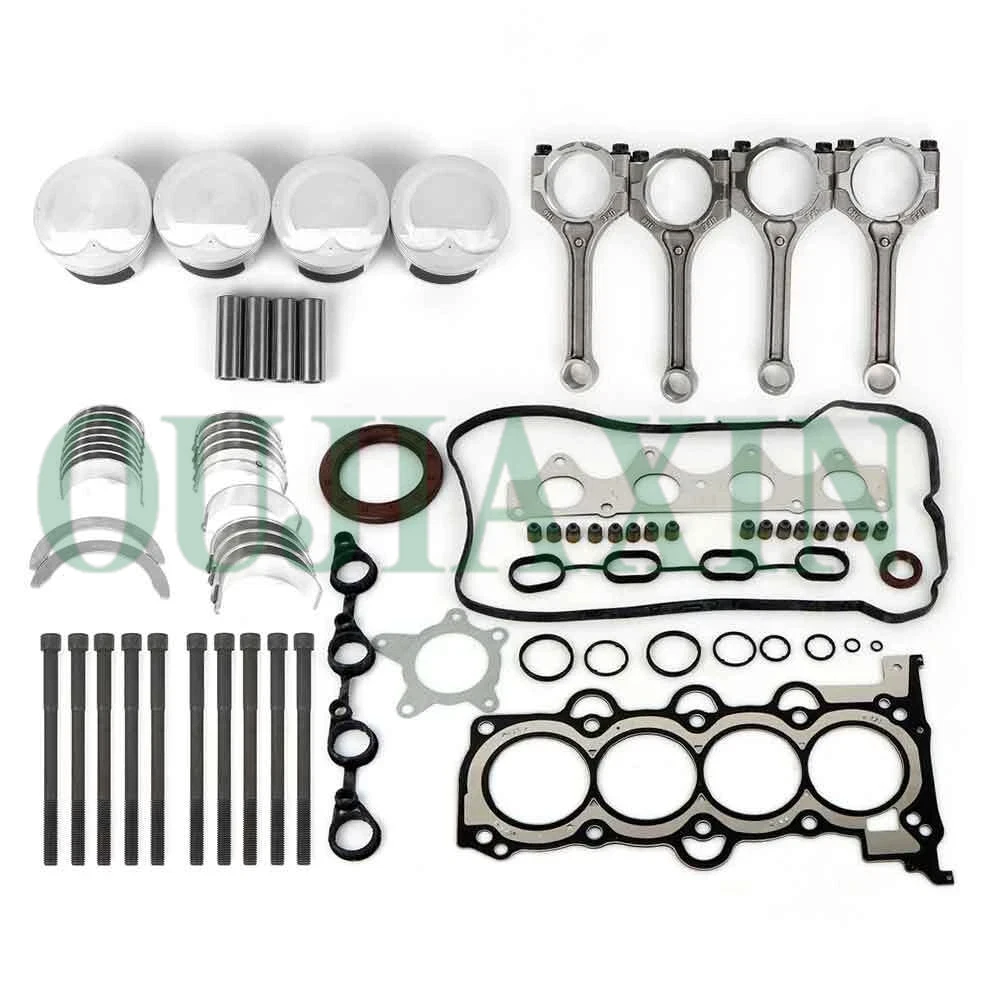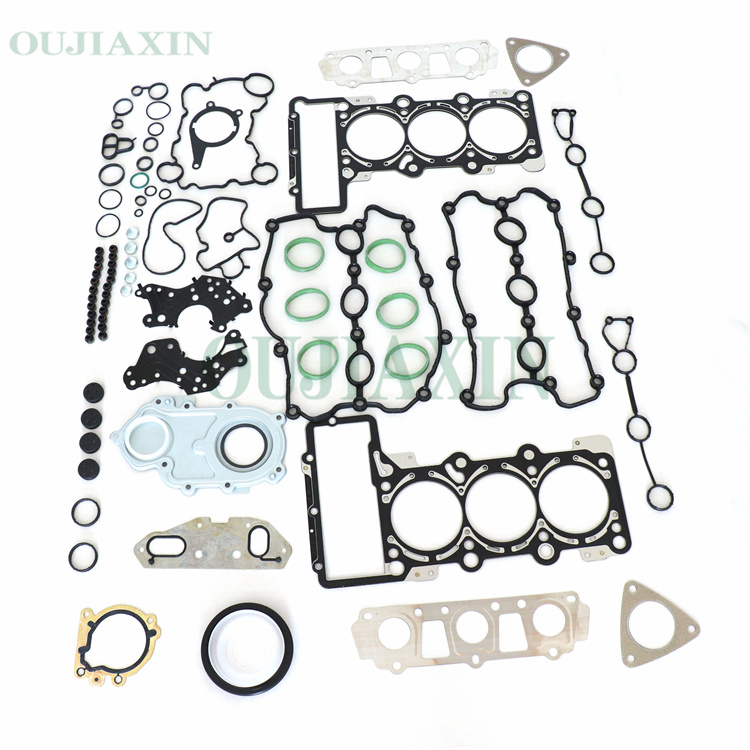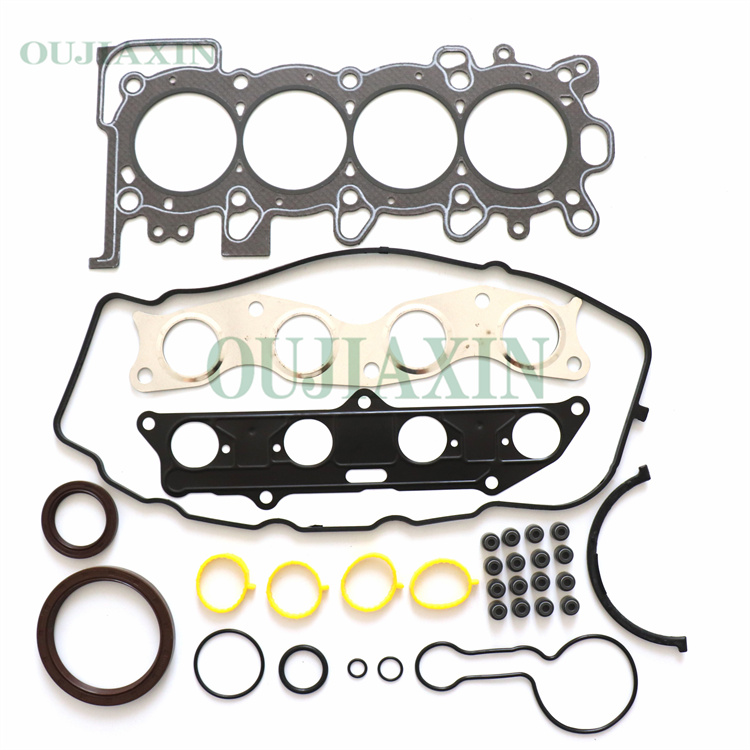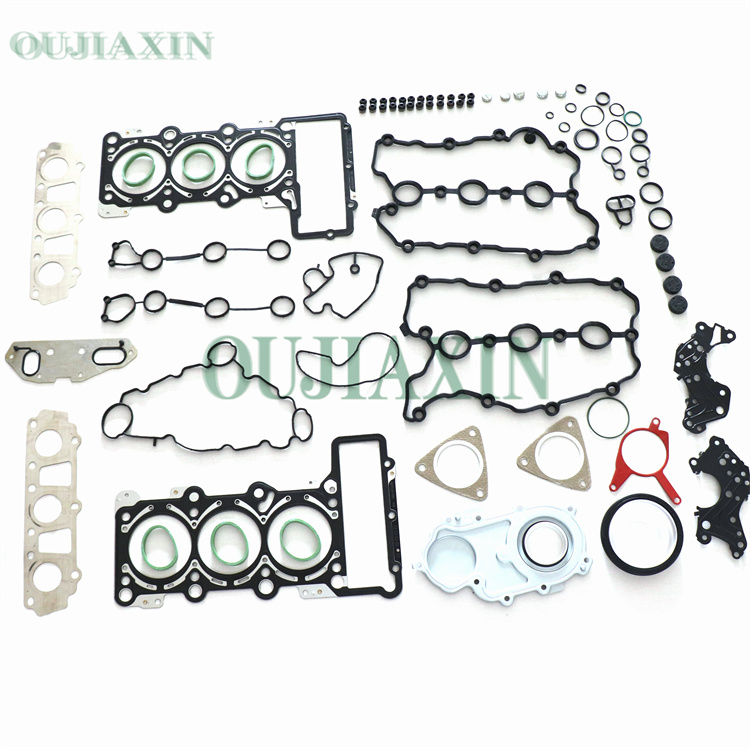
The connecting rod, commonly known as a Con Rod, is one of the most important internal components in a modern automotive engine. It plays a critical role in transferring combustion power from the piston to the crankshaft, allowing the reciprocating movement of the piston to be converted into rotational movement. For engines used in Hyundai and Kia vehicles, a properly manufactured connecting rod is essential for maintaining engine efficiency, mechanical stability, durability, and long-term performance.
As modern automotive engines continue to evolve toward higher efficiency, lower emissions, improved fuel economy, and greater power output, engine components are required to withstand increasingly demanding operating conditions. Connecting rods must handle high combustion pressure, rapid reciprocating movement, thermal fluctuations, vibration, and continuous mechanical stress. Therefore, material quality, dimensional accuracy, heat treatment, manufacturing technology, and quality control all have a direct impact on connecting rod performance.
For international buyers looking for replacement engine components, selecting a reliable supplier is equally important. Hebei Oujia Import And Export Trade Co., Ltd. focuses on the supply of automotive engine components and aftermarket parts, providing customers with practical solutions for engine repair, maintenance, and replacement requirements. For Hyundai and Kia applications, understanding the construction and function of the Con Rod can help distributors, repair shops, wholesalers, and automotive parts buyers make better purchasing decisions.

The fundamental purpose of a connecting rod is to connect the piston with the crankshaft. During engine operation, combustion inside the cylinder pushes the piston downward. The connecting rod transfers this force to the crankshaft, which converts the piston's linear movement into rotational movement. This rotational power is then transmitted through the engine's drivetrain to move the vehicle.
A typical automotive connecting rod consists of several important sections, including the small end, connecting rod body, and big end. Each section performs a specific mechanical function and must be manufactured with high dimensional accuracy.
The small end is connected to the piston through a piston pin, sometimes referred to as a wrist pin. This connection allows the piston and connecting rod to move together while accommodating the changing angle between the connecting rod and crankshaft during engine operation.
The connecting rod body forms the main structural section between the two ends. It must be strong enough to withstand repeated tensile and compressive forces. During every engine cycle, the Con Rod experiences significant changes in direction and loading. The component therefore needs an appropriate combination of strength, toughness, fatigue resistance, and dimensional stability.
The big end connects to the crankshaft. In many engine designs, the big end is divided into two sections so that it can be installed around the crankshaft journal. Connecting rod bearings are installed at this area to reduce friction between the connecting rod and crankshaft.
The geometry of a connecting rod is also extremely important. Its length, bore diameter, center-to-center distance, weight, and overall dimensions must correspond to the specific engine application. Even relatively small dimensional differences can affect engine assembly and performance.
For Hyundai and Kia engines, the correct replacement Con Rod should therefore be selected according to the specific vehicle, engine model, production version, and applicable part number. Hyundai and Kia vehicles are available with a wide range of gasoline and diesel engines, and connecting rod specifications can vary between applications.
A properly matched connecting rod contributes to stable engine operation by maintaining the correct relationship between the piston and crankshaft. This helps ensure that combustion forces are transferred efficiently and that the moving components operate within their intended mechanical tolerances.
Material selection is another key consideration. Automotive connecting rods are commonly produced from high-strength steel alloys or other engineering materials capable of handling repeated mechanical loading. Depending on the engine design and intended application, manufacturing processes may include forging, machining, heat treatment, surface finishing, and precision inspection.
Forged connecting rods are widely valued for their strength and fatigue resistance. During forging, the material is shaped under controlled pressure, creating a strong structural configuration suitable for demanding engine environments. Subsequent machining processes ensure that critical dimensions, bearing surfaces, bolt holes, and connecting rod bores meet the required specifications.
The connecting rod bolts are also important. Because the big end is exposed to substantial loads, the fastening system must maintain reliable clamping force during engine operation. A complete connecting rod solution should therefore consider not only the rod itself but also the associated components and installation requirements.
A high-quality Hyundai Kia connecting rod must perform reliably under continuous mechanical stress. Unlike many external automotive parts, a Con Rod operates inside the engine and is exposed to repeated loading thousands of times during normal driving. This makes material quality and manufacturing precision especially important.
One of the primary performance requirements is fatigue resistance. During engine operation, the connecting rod experiences alternating tensile and compressive forces. These repeated loads can eventually cause fatigue if the material, manufacturing process, or design is inadequate. A properly engineered connecting rod should therefore be capable of maintaining structural integrity throughout its expected service life.
Strength is another essential characteristic. Combustion pressure generates substantial force inside the cylinder, and the connecting rod must transfer this force to the crankshaft without permanent deformation. At the same time, the component needs sufficient toughness to withstand vibration and changing loads.
Weight is also an important consideration in modern engine design. Connecting rods are moving components, meaning their mass influences the dynamic behavior of the engine. Reducing unnecessary weight while maintaining sufficient strength can help manufacturers achieve a suitable balance between performance and durability.
For this reason, precision manufacturing is critical. The center-to-center distance between the small end and big end must remain within the required dimensional tolerance. The piston pin bore and crankshaft-end bore must also have accurate dimensions and alignment.
Proper alignment is particularly important because misalignment can create uneven loading and accelerated wear. During production, precision machining and inspection processes help ensure that the connecting rod maintains the required geometry.
Surface quality also matters. The bearing areas and other machined surfaces need to meet appropriate finishing requirements to support reliable assembly and operation. Poor surface quality can increase friction, contribute to abnormal wear, or interfere with correct bearing installation.
Heat treatment may be used to improve the mechanical characteristics of the connecting rod material. Depending on the manufacturing process and material specification, controlled heat treatment can improve hardness, strength, toughness, and resistance to fatigue.
Quality control should cover multiple stages of production. Raw materials should be properly selected and inspected, while forging or forming processes should be controlled to maintain consistent structure and dimensions. Machining processes should be monitored to ensure accuracy, and finished components should undergo appropriate dimensional and visual inspections.
For aftermarket automotive parts, consistency is particularly important because distributors and repair shops need components that can be reliably installed across repeated orders. A professional supplier should therefore place emphasis not only on product availability but also on stable quality and specification control.
Hebei Oujia Import And Export Trade Co., Ltd. understands the importance of dependable engine components for international automotive parts customers. By focusing on automotive engine parts supply, the company can support wholesalers, distributors, repair businesses, and other buyers looking for replacement components for different vehicle applications.
For Hyundai and Kia replacement parts, buyers should provide accurate vehicle and engine information whenever possible. Useful information can include the vehicle model, engine displacement, engine code, production year, and original or reference part number. These details help reduce the risk of selecting an incompatible component.
It is also important to distinguish between appearance and actual compatibility. Two connecting rods may look similar but have different dimensions, weight specifications, bearing sizes, or piston-pin requirements. Professional parts selection should therefore rely on verified application information rather than appearance alone.
For automotive distributors and aftermarket buyers, the value of a connecting rod supplier extends beyond the individual product. Reliable communication, accurate product information, stable supply, quality control, packaging, and international export experience can all influence the success of a long-term purchasing relationship.
Hyundai and Kia have a large global vehicle presence, creating continuing demand for replacement engine components. As vehicles accumulate mileage, engine components may eventually require inspection, repair, or replacement. A dependable supply of compatible Con Rod products can help repair shops and distributors respond to these aftermarket requirements.
When purchasing Hyundai Kia connecting rods, buyers should first identify the exact application. A vehicle model alone may not always be sufficient because the same vehicle can be equipped with different engines depending on the market, production year, or configuration. Providing the engine code or original part number is therefore recommended when requesting a quotation.
Product quality should be another major purchasing consideration. A connecting rod is a critical engine component, so buyers should pay attention to material specifications, manufacturing processes, dimensional accuracy, inspection procedures, and packaging. Components should be adequately protected during transportation to prevent damage, corrosion, or deformation.
For international buyers, packaging is particularly important because automotive parts may travel long distances through multiple transportation stages. Suitable packaging can help protect machined surfaces and maintain product condition until the components reach the customer.
Hebei Oujia Import And Export Trade Co., Ltd. can serve as a practical sourcing partner for customers seeking automotive engine components for international aftermarket applications. By combining product supply capabilities with export-oriented service, the company aims to support customers with efficient communication and suitable automotive parts solutions.
Another advantage of working with an experienced supplier is the ability to handle different purchasing requirements. Wholesale distributors may require larger quantities, while repair businesses may need specific engine components for individual projects. Different customers can therefore have different requirements regarding product specifications, packaging, quantities, and delivery arrangements.
A professional supplier should be able to communicate clearly about these requirements and help customers identify the appropriate product before an order is finalized.
For buyers searching for Hyundai Kia Con Rod products, several factors should be evaluated together:
Application compatibility: Confirm the vehicle and engine information before purchasing.
Dimensions: Check connecting rod length, bore dimensions, and other critical measurements.
Material: Ensure the material is suitable for the intended engine application.
Manufacturing quality: Consider forging, machining, heat treatment, and inspection processes.
Surface finish: Check critical machined areas for appropriate quality and accuracy.
Packaging: Ensure products are properly protected during international transportation.
Supplier capability: Evaluate communication, export experience, product consistency, and after-sales support.
The connecting rod may be a relatively small component compared with the complete engine, but its role is fundamental. It directly transfers combustion energy from the piston to the crankshaft and operates under continuous mechanical stress. For this reason, choosing an appropriate and reliable Con Rod is an important part of maintaining engine performance and durability.
For Hyundai and Kia vehicle applications, the right connecting rod can support stable engine operation, reliable power transmission, and effective repair solutions. Whether the requirement comes from an automotive parts distributor, wholesale importer, engine repair workshop, or aftermarket retailer, accurate product matching and dependable quality should remain the primary priorities.
With growing demand for replacement automotive components in international markets, Hebei Oujia Import And Export Trade Co., Ltd. is positioned to provide customers with professional sourcing support for engine parts and related automotive products. By focusing on product suitability, quality consistency, communication, and export service, the company can help customers find practical solutions for Hyundai and Kia engine component requirements.
When selecting a Hyundai Kia Con Rod, buyers should never focus only on price. A connecting rod is a critical internal engine component, and the cost of poor compatibility or inconsistent quality can be much higher than the initial purchase price. Careful product selection, accurate application matching, reliable manufacturing, and professional supplier support are the foundations of a successful aftermarket engine parts purchase.
For businesses seeking dependable Hyundai and Kia engine components, a quality Con Rod can provide the foundation for reliable engine repair and maintenance. With the right supplier and correct application information, customers can improve purchasing efficiency while supporting the long-term performance and reliability of the engines they service.