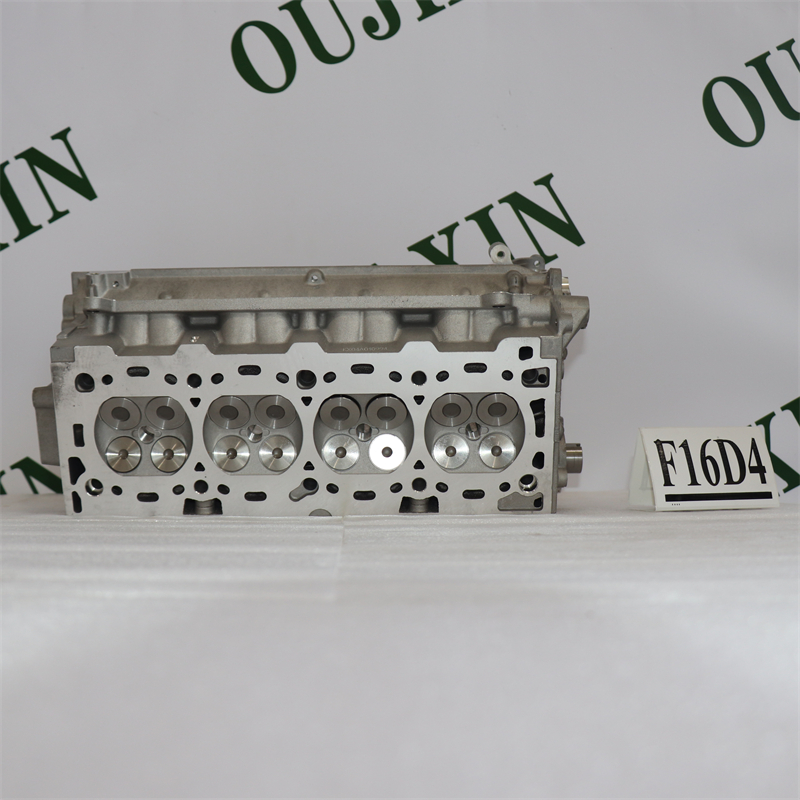



The engine is the heart of every vehicle, and the cylinder head is one of its most important components. In Ford and Lincoln vehicles, a properly designed and well-maintained Cylinder Head plays a critical role in combustion efficiency, airflow management, engine cooling, and overall power delivery. As a major structural component installed on top of the engine block, it contains or supports important engine components such as intake and exhaust ports, valves, valve springs, camshaft components, spark plugs, fuel injectors, and cooling passages, depending on the specific engine design.
Modern Ford and Lincoln vehicles use a wide variety of gasoline and other powertrain configurations, which means that cylinder head specifications can differ significantly between engine families, displacement levels, model years, and markets. Selecting the correct replacement component therefore requires more than simply identifying the vehicle brand. Engine code, model year, displacement, casting information, and original part numbers can all be important when determining compatibility.
For automotive parts distributors, repair workshops, wholesalers, and international buyers, understanding the function and construction of a Ford Lincoln Cylinder Head can make the sourcing process more efficient. Hebei Oujia Import And Export Trade Co., Ltd. provides automotive engine components for international aftermarket applications and can support customers looking for suitable engine parts according to specific vehicle and engine requirements.

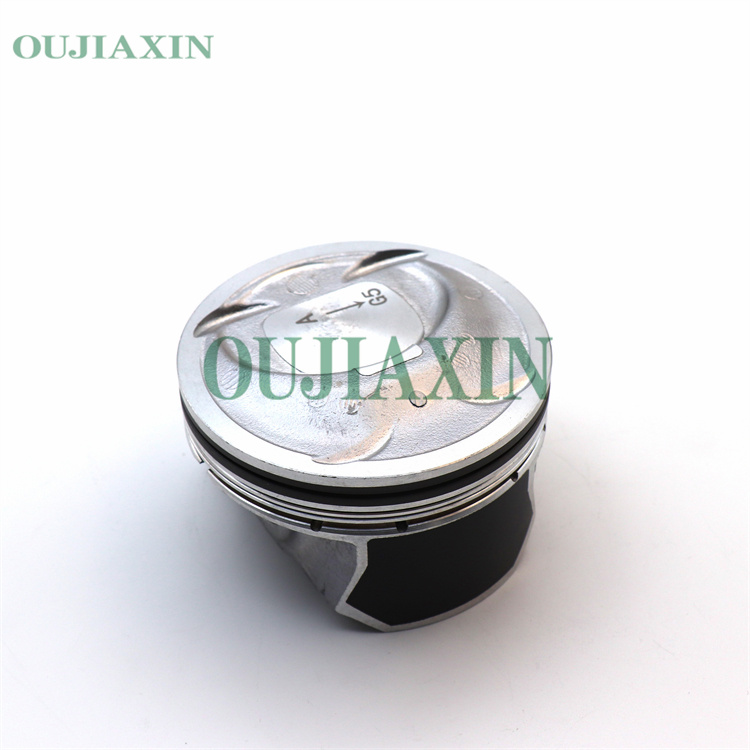
The primary function of a Cylinder Head is to form the upper section of the combustion chamber while providing a mounting structure for numerous engine components. It is installed above the cylinder block and sealed against the engine block with a head gasket. Together, the cylinder head, cylinder block, piston, and head gasket create the combustion chambers required for engine operation.
Inside the cylinder head are passages that control the movement of air, fuel, and exhaust gases. Intake ports allow the air-fuel mixture or intake air to enter the combustion chamber, depending on the engine configuration. Exhaust ports provide a controlled pathway for combustion gases to leave the cylinder after the combustion cycle.
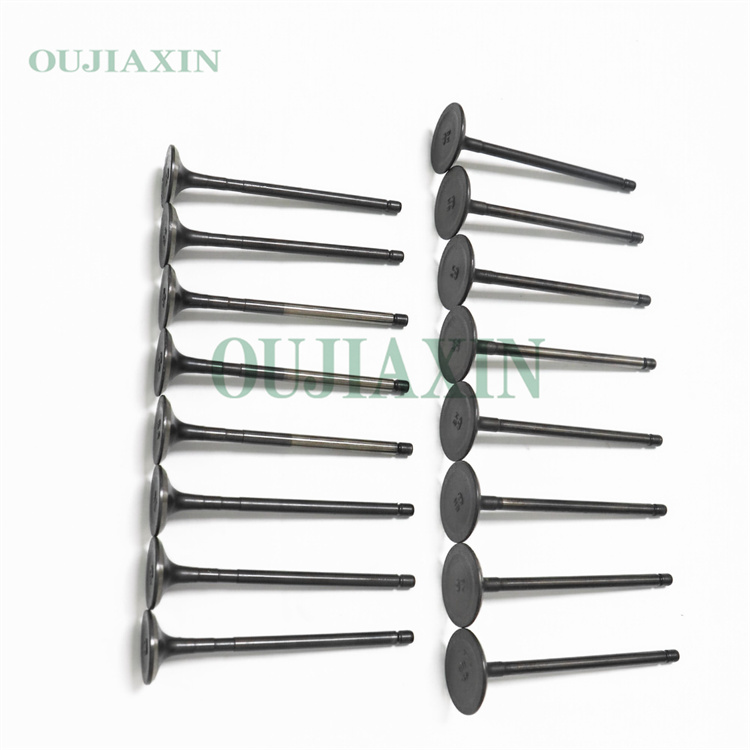
The cylinder head also contains valve-related components. Intake and exhaust valves open and close at precisely controlled times to manage gas flow through the combustion chamber. Valve seats provide the sealing surfaces for the valves, while valve guides help maintain accurate valve movement.
Depending on the Ford or Lincoln engine design, the cylinder head may also accommodate camshaft components. In overhead camshaft engine configurations, the camshaft operates the valves through a carefully synchronized mechanism. The relationship between the camshaft and crankshaft must remain accurately controlled to ensure proper valve timing.
Spark plug or fuel injector locations can also be integrated into the cylinder head depending on the engine type. In gasoline engines, spark plugs are positioned to provide ignition at the appropriate location within the combustion chamber. Fuel injectors may also be installed in or around the cylinder head area depending on the fuel injection system.
Cooling is another critical function. A modern Cylinder Head contains internal coolant passages that allow engine coolant to circulate around areas exposed to high combustion temperatures. Efficient cooling helps control operating temperatures and reduces the risk of thermal damage.
Lubrication passages are also important. Engine oil needs to reach various moving components within the cylinder head. Proper oil circulation helps reduce friction and wear while supporting the operation of camshafts, valve train components, and other moving parts.
Because the cylinder head performs so many functions simultaneously, it must maintain structural strength and dimensional stability under demanding conditions. During engine operation, it experiences combustion pressure, high temperatures, repeated thermal expansion and contraction, vibration, and mechanical loads.
Ford and Lincoln engines have evolved considerably over the years, and different engine families may use different cylinder head designs. For this reason, replacement parts must be selected according to the exact application.
A visually similar cylinder head is not necessarily interchangeable with another version. Differences may exist in valve arrangement, combustion chamber shape, port dimensions, camshaft configuration, mounting points, cooling passages, oil passages, and sensor locations. These details make accurate application matching essential when sourcing a Ford Lincoln Cylinder Head.
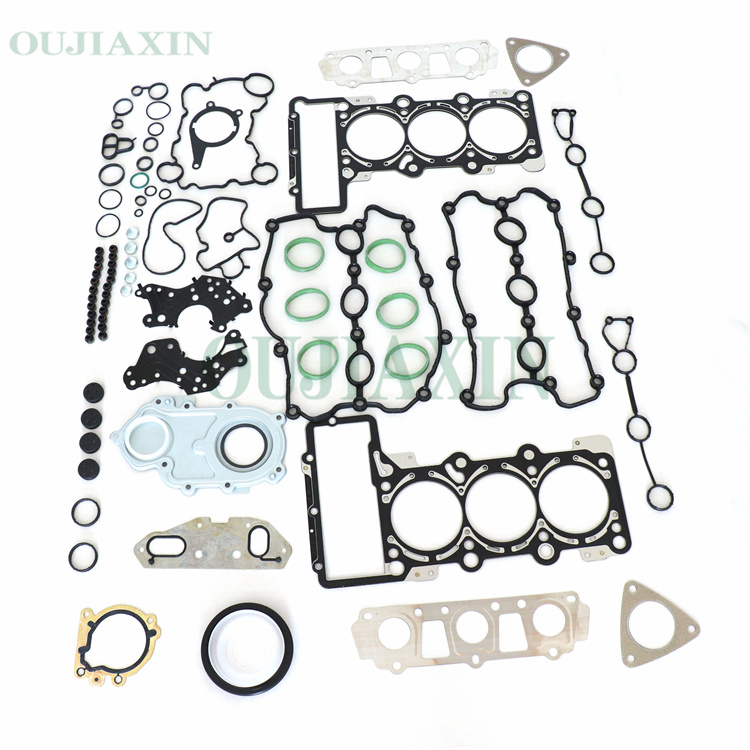
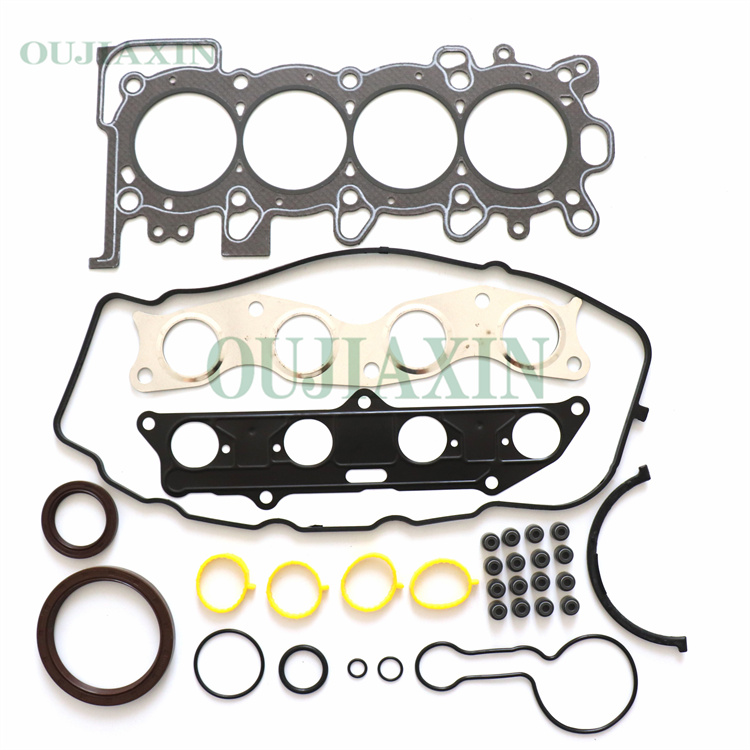
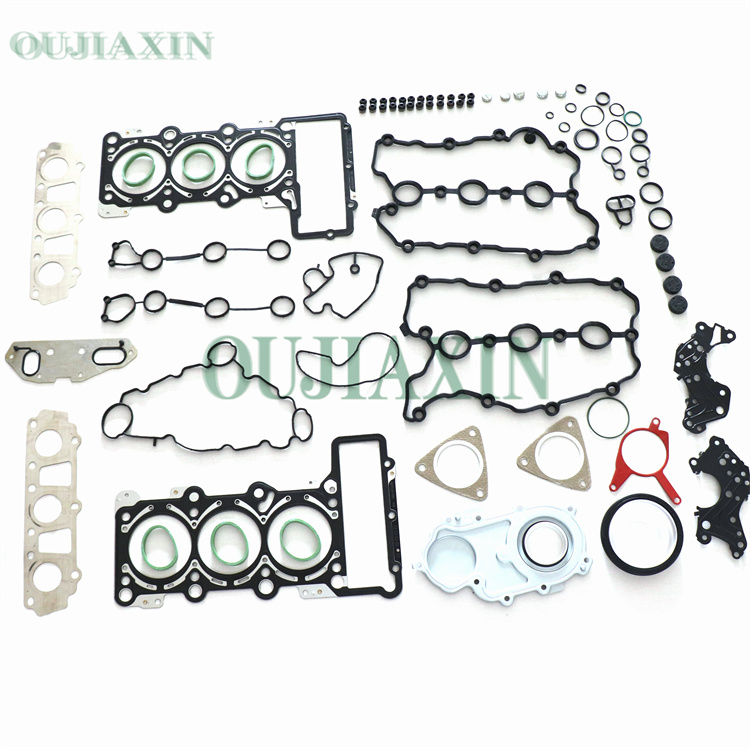
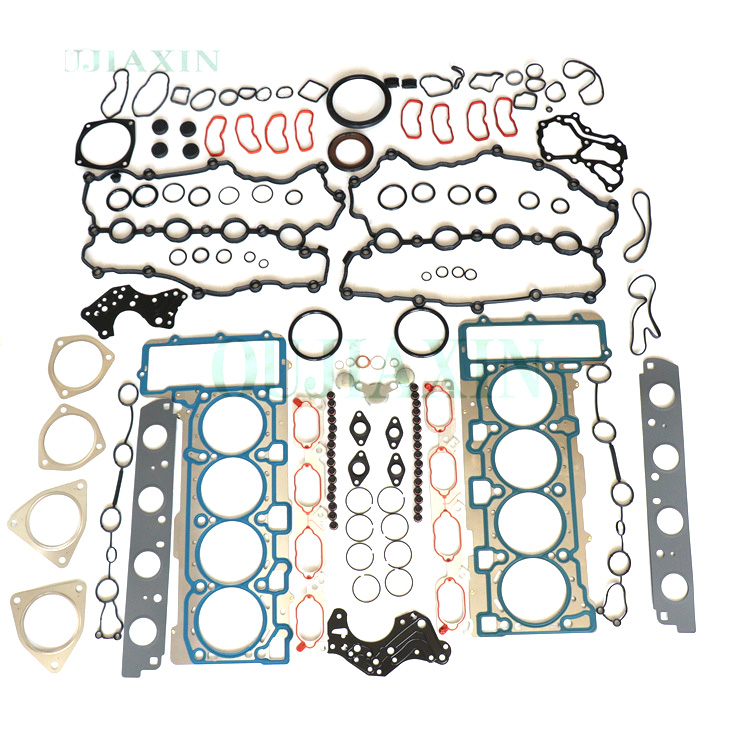
The head gasket is another important part of the cylinder head assembly. It provides a seal between the cylinder head and engine block and helps prevent combustion gases, engine oil, and coolant from mixing. A damaged or incorrectly installed gasket can lead to serious engine problems even when the cylinder head itself is in good condition.
Therefore, during engine repair, technicians generally need to inspect the cylinder head and related sealing surfaces carefully. Flatness, surface condition, cracks, corrosion, and other potential issues should be evaluated before installation.
The material of a Cylinder Head directly influences its strength, thermal performance, weight, and durability. Automotive cylinder heads are commonly manufactured from aluminum alloys or cast iron, depending on the engine design and application.
Aluminum alloy cylinder heads are widely used in modern engines because of their relatively low weight and good thermal conductivity. The ability to transfer heat efficiently can help manage combustion temperatures. Reducing engine weight can also contribute to overall vehicle efficiency.
Cast iron cylinder heads offer high strength and durability and have historically been used in many engine applications. Their mechanical properties can make them suitable for engines exposed to demanding operating conditions.
Regardless of material, manufacturing accuracy is essential. A cylinder head contains numerous precision-machined surfaces and passages. Valve seats, valve guides, mounting surfaces, combustion chambers, and other areas must meet appropriate dimensional requirements.
Casting quality is also important. During the manufacturing process, the cylinder head must be formed with accurate internal passages and structural features. Poor casting quality can potentially lead to defects that affect durability or performance.
After casting or forging, depending on the manufacturing process, machining operations are performed on critical surfaces. These may include the cylinder head gasket surface, valve seats, guide bores, mounting holes, and other precision areas.
Heat treatment may also be used depending on the material and manufacturing process. Properly controlled manufacturing processes help establish the required mechanical and thermal characteristics of the finished component.
A major concern with cylinder heads is overheating. Excessive engine temperature can cause thermal deformation or, in severe cases, cracking. Because the cylinder head operates in a high-temperature environment, the cooling system must function properly.
A damaged cooling system, low coolant level, blocked passages, defective thermostat, or other cooling-related problem can contribute to overheating. If overheating occurs repeatedly, the cylinder head and head gasket should be inspected.
Warping is another potential problem. The sealing surface between the cylinder head and engine block needs to remain sufficiently flat to maintain proper gasket sealing. Significant deformation can cause combustion pressure, coolant, or oil to leak.
Cracks are another serious issue. Cracks may develop around combustion chambers, valve seats, coolant passages, or other highly stressed areas. The symptoms can vary depending on the location and severity of the damage.
A damaged cylinder head may be associated with symptoms such as coolant loss, engine overheating, reduced engine performance, abnormal exhaust smoke, loss of compression, or contamination between engine oil and coolant. However, these symptoms can also result from other engine problems, so proper diagnostic procedures are required before replacing components.
For Ford and Lincoln vehicles, the exact diagnosis should take the specific engine design into consideration. Different engine families have different technical characteristics and potential failure points.
When a replacement Cylinder Head is required, buyers should verify all available identification information. The vehicle model, production year, engine displacement, engine code, casting number, and original part number can help determine the correct component.
Hebei Oujia Import And Export Trade Co., Ltd. understands that accurate product matching is essential in the automotive aftermarket. For international customers, providing detailed application information before purchasing can help reduce compatibility problems and improve sourcing efficiency.
Quality inspection is equally important. A professional supplier should pay attention to casting quality, machined surfaces, dimensional accuracy, sealing surfaces, and overall product condition. Proper packaging is also necessary to protect precision components during transportation.
Selecting the correct Ford Lincoln Cylinder Head requires careful consideration of compatibility, quality, application, and supplier capability. Because cylinder heads are precision engine components, purchasing decisions should not be based solely on appearance or price.
The first step is to identify the exact engine application. Ford and Lincoln vehicles can have different engine configurations depending on the model, production year, market, and trim level. Even engines with similar displacement may use different cylinder head designs.
Engine codes are therefore extremely useful. If available, buyers should provide the engine code along with the vehicle model and year. The original cylinder head part number or casting number can provide additional confirmation.
The second consideration is product quality. The cylinder head must have suitable dimensions and properly machined surfaces to ensure correct installation. The gasket surface is especially important because it must provide an effective sealing interface with the engine block and head gasket.
Valve seats and guides should also meet the required specifications. These components are directly involved in valve operation and combustion chamber sealing. Poor dimensional accuracy can affect engine performance and durability.
Cooling and lubrication passages should be correctly formed and free from manufacturing contamination. These passages are essential for temperature control and lubrication, and their proper function is necessary for reliable engine operation.
Packaging is another important factor for international buyers. A cylinder head is a precision component with machined surfaces that can be damaged by impact, moisture, or improper handling. Appropriate protective packaging helps maintain product condition during storage and transportation.
For distributors and wholesalers, stable supply is also important. Customers often need replacement engine components repeatedly, so working with a supplier capable of maintaining consistent product specifications can help support long-term aftermarket business.
Hebei Oujia Import And Export Trade Co., Ltd. is committed to supporting international automotive parts customers with engine component sourcing and export services. For buyers searching for Ford and Lincoln cylinder head solutions, the company can communicate according to specific application requirements and product information.
Different customers may have different purchasing needs. Automotive repair shops may require individual replacement components, while wholesalers and distributors may purchase larger quantities for inventory. Clear communication regarding quantity, specifications, packaging, and delivery requirements helps ensure a smoother purchasing process.
For international sourcing, buyers should also consider the supplier's ability to provide accurate product information. Technical details such as application range, dimensions, material, casting information, and reference numbers can be valuable when evaluating a replacement Cylinder Head.
A reliable cylinder head can contribute to stable combustion, efficient airflow, effective cooling, and long-term engine performance. Conversely, an incorrect or poorly manufactured component may lead to installation difficulties, sealing problems, abnormal engine operation, or premature failure.
For this reason, selecting a suitable supplier is an important part of automotive engine maintenance and aftermarket distribution. Professional product matching and quality control can reduce purchasing risks and help repair businesses complete engine projects more efficiently.
The Ford and Lincoln brands cover a wide range of passenger vehicles, SUVs, and other applications, creating continuing demand for replacement engine components. As vehicles remain in service for many years, the aftermarket provides ongoing opportunities for distributors and parts suppliers.
A Cylinder Head is not simply a metal component installed on top of the engine block. It is a highly engineered part responsible for managing combustion, airflow, valve operation, cooling, and lubrication. Its structural integrity and dimensional accuracy have a direct influence on engine reliability.
For this reason, buyers should evaluate the complete product and supplier solution rather than focusing only on purchase price. Correct application identification, reliable manufacturing, precise machining, suitable materials, effective quality inspection, and secure packaging all contribute to a successful purchasing decision.
For businesses sourcing Ford and Lincoln engine components, Hebei Oujia Import And Export Trade Co., Ltd. can provide a professional channel for aftermarket automotive parts procurement. By communicating specific engine information and replacement requirements, customers can improve product matching and find suitable solutions for different repair and distribution applications.
Whether the requirement is for a replacement cylinder head for an engine repair project or a larger supply program for an automotive parts distribution business, choosing the correct Cylinder Head is essential. With accurate application information and a reliable supply partner, automotive businesses can better manage replacement needs while supporting the performance, durability, and service life of Ford and Lincoln engines.