
The internal combustion engine is made up of numerous precision components that must work together continuously to produce reliable power. Among these components, the Crankshaft plays a particularly important role because it transforms the reciprocating movement of the pistons into rotational motion that can be transferred through the drivetrain. For Hyundai vehicles, the correct Crankshaft is essential for maintaining engine balance, power delivery, durability, and smooth operation.
When an engine experiences serious internal wear or damage, replacing the crankshaft may become an important part of an engine rebuilding or repair project. However, selecting the right component is not simply a matter of choosing a crankshaft designed for Hyundai. Different Hyundai engines use different crankshaft dimensions, journal specifications, stroke lengths, cylinder configurations, and application requirements. Therefore, engine code, displacement, vehicle application, OEM reference number, and technical specifications should be carefully checked before purchasing.
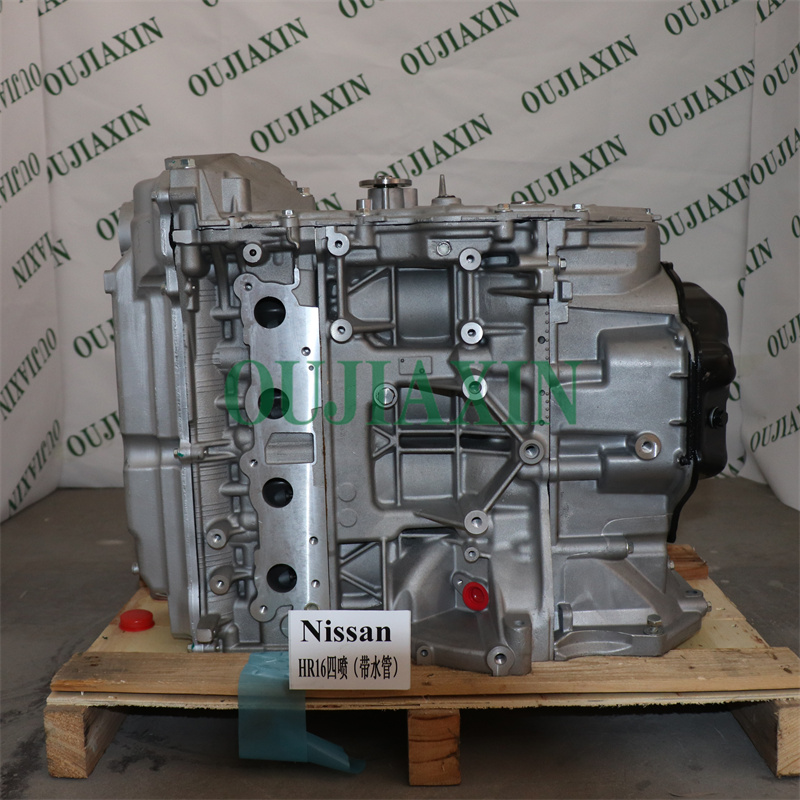
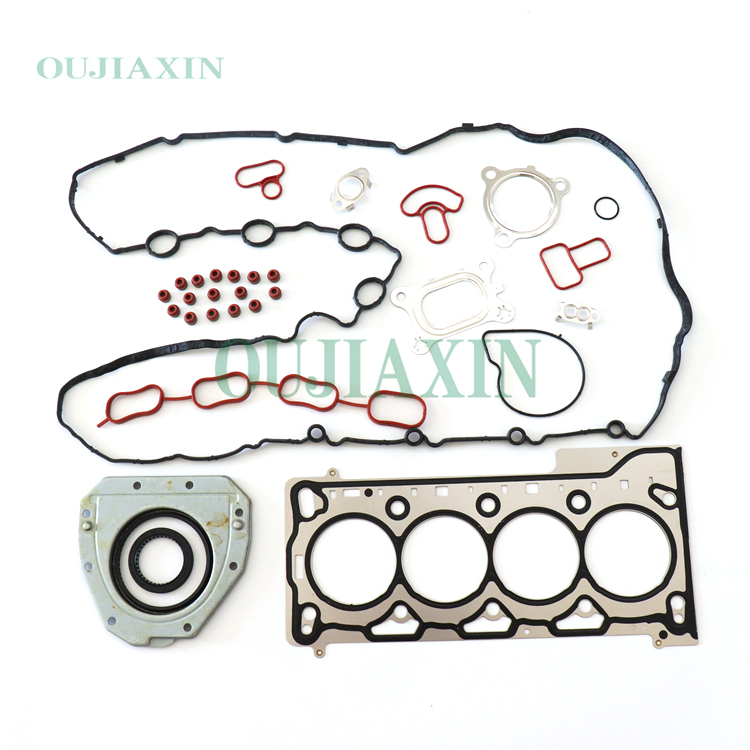
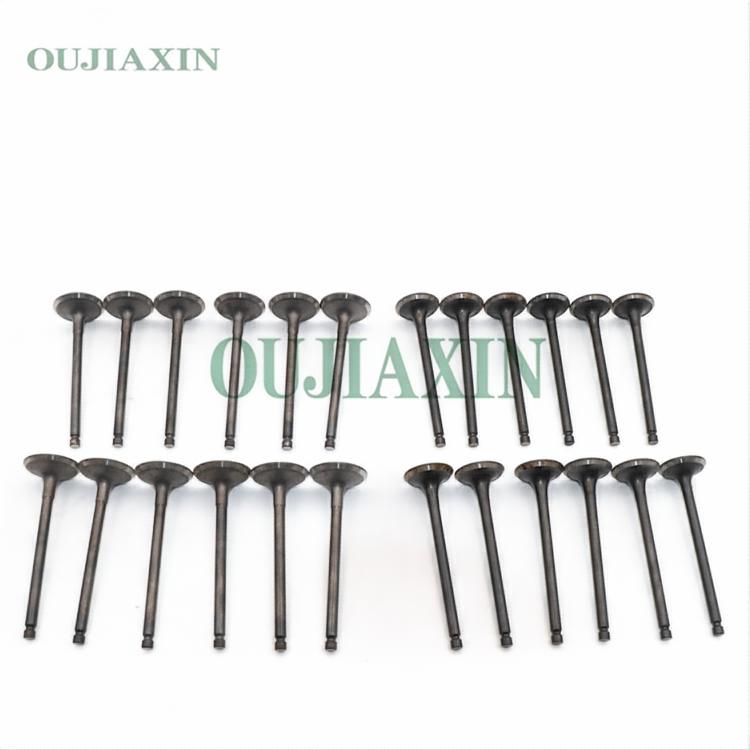
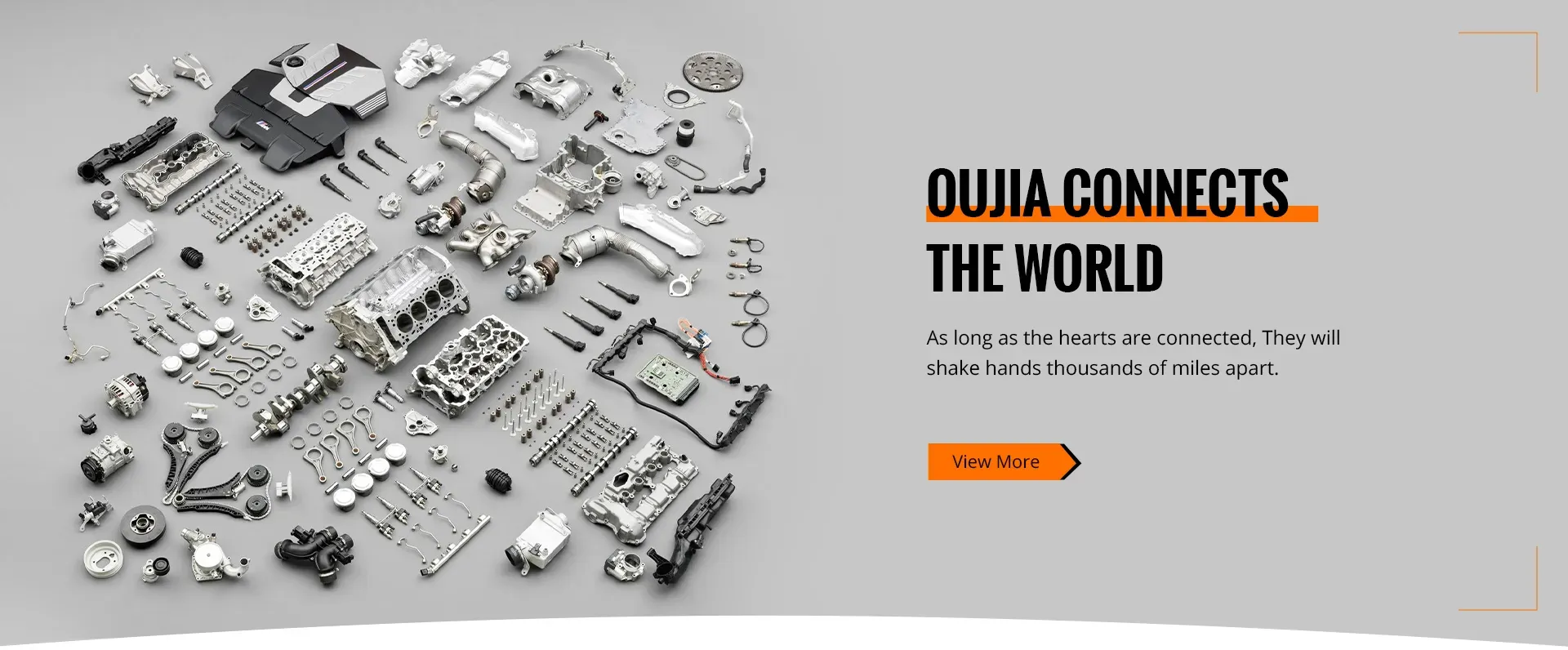
For international automotive parts distributors, engine rebuilders, repair workshops, and wholesalers, having access to application-specific Hyundai engine components can make sourcing and maintenance more efficient. Hebei Oujia Import And Export Trade Co., Ltd. specializes in engine parts and supplies products including engines, cylinder heads, cylinder blocks, Crankshaft, pistons, piston rings, valves, timing kits, gasket sets, connecting rods, bearings, and camshafts. Its product range includes engine components for Hyundai and Kia applications, supporting customers in different aftermarket markets.

A Crankshaft is a rotating mechanical component located inside the lower section of an engine. Its primary function is to convert the linear, reciprocating movement of the pistons into rotational movement. This conversion is fundamental to the operation of an internal combustion engine because the rotational movement generated by the crankshaft is ultimately used to deliver power through the flywheel, transmission, and drivetrain.
During the combustion process, expanding gases push the piston downward. The connecting rod transfers this force to the crankshaft. Because the crankshaft contains offset crankpins, the downward and upward movement of the pistons is converted into rotational motion.
A typical Hyundai Crankshaft includes several major structural sections.
Main Journals:
The main journals are supported by main bearings installed in the engine block. These journals provide the central support points around which the crankshaft rotates.
Crankpins:
Crankpins, also known as connecting rod journals, connect the crankshaft to the connecting rods. Their position and spacing are determined by the engine's cylinder arrangement and design.
Crank Webs:
The crank webs connect the main journals and crankpins. They provide structural strength and contribute to the overall balance of the rotating assembly.
Counterweights:
Counterweights are used to balance rotating and reciprocating masses. Proper crankshaft balance can help reduce vibration and unnecessary mechanical stress during engine operation.
Oil Passages:
Many crankshafts contain internal oil passages that help deliver lubrication to the crankshaft journals and connecting rod bearings. Adequate lubrication is essential because the crankshaft operates under continuous mechanical load.
Because the crankshaft is exposed to substantial forces during engine operation, its dimensions and surface condition are extremely important. Even small dimensional differences can affect bearing clearance, oil pressure, engine balance, and overall engine performance.
Hyundai has produced a broad range of gasoline and diesel engines over different generations. Engine families and configurations can vary considerably. For example, Oujia's current product information references Hyundai/Kia applications such as the G4LA 1.2L, G4LC 1.4L, G4FC 1.6L, and other engine-related components. This demonstrates why a replacement Crankshaft should be matched according to the exact engine application rather than selected only according to the vehicle brand.
The relationship between the crankshaft and other engine components is equally important. A crankshaft works together with connecting rods, pistons, piston rings, main bearings, connecting rod bearings, oil seals, flywheel or flexplate, and timing components. If one component is incorrectly selected or installed, the entire rotating assembly may be affected.
For example, incorrect bearing clearance can cause insufficient lubrication or excessive movement between the crankshaft journals and bearings. Incorrect piston or connecting rod specifications can also affect the geometry and balance of the engine. For this reason, professional engine rebuilding requires accurate measurements and careful component matching.
Although a Crankshaft is designed to operate for a long period, it can suffer from wear or damage when an engine experiences poor lubrication, overheating, contamination, excessive loads, incorrect assembly, or other mechanical problems.
One of the most common causes of crankshaft damage is inadequate lubrication. The main and connecting rod bearings rely on a stable oil film to separate the moving metal surfaces. If engine oil is insufficient, contaminated, degraded, or unable to circulate properly, direct contact can occur between the bearing surfaces and crankshaft journals.
This can lead to increased friction, heat generation, surface scoring, and accelerated wear.
Several symptoms may indicate a potential crankshaft or lower-engine problem.
Unusual Engine Knocking:
Deep knocking noises from the lower part of an engine can sometimes be associated with excessive clearance between bearings and crankshaft journals. Professional diagnosis is necessary because similar symptoms can originate from other engine components.
Low Oil Pressure:
Excessive wear in the crankshaft and bearing system may contribute to abnormal oil pressure. However, oil pressure problems can have multiple causes and should be diagnosed systematically.
Excessive Engine Vibration:
A damaged, distorted, or improperly balanced crankshaft can affect the smooth rotation of the engine and may result in increased vibration.
Metal Particles in Engine Oil:
Metallic particles found during an oil inspection can indicate internal engine wear. The crankshaft, bearings, connecting rods, and other components should be inspected to determine the source.
Visible Journal Damage:
During engine disassembly, technicians may discover scoring, scratches, discoloration, corrosion, or abnormal wear on the crankshaft journals.
Not every damaged crankshaft automatically requires replacement. Depending on the degree of wear and the manufacturer's specifications, some crankshafts may be professionally measured and machined. However, severe cracks, excessive deformation, major journal damage, or dimensional conditions beyond acceptable limits can make replacement necessary.
When inspecting a Hyundai Crankshaft, professional technicians should pay attention to journal diameter, taper, out-of-round conditions, runout, surface condition, oil passages, and crankshaft balance. These measurements should be compared with the specifications applicable to the exact engine.
The condition of related components should also be considered. If the original crankshaft has experienced severe bearing failure, simply replacing the crankshaft without investigating the underlying cause may not solve the problem. Oil pumps, bearings, connecting rods, lubrication passages, and other related components may also need inspection.
This is especially important for engine rebuilders and professional repair workshops. A replacement crankshaft should be considered as part of the complete engine repair system rather than as an isolated component.
For international B2B buyers, the same principle applies during sourcing. Providing the supplier with the engine code, displacement, vehicle model, production year, OEM number, and other available specifications can significantly reduce the risk of receiving an incorrectly matched component.
Hebei Oujia Import And Export Trade Co., Ltd. provides a range of Hyundai and Kia engine parts, including crankshafts and other internal engine components. Its product range is designed to support customers who need individual components for engine repair and rebuilding projects.
Choosing a suitable Hyundai Crankshaft requires careful attention to application and technical information. For wholesalers and distributors, product compatibility is particularly important because an incorrect component can result in additional logistics costs, installation problems, customer complaints, and project delays.
The first step is to identify the exact engine.
Confirm the Engine Code
Hyundai engines may have similar displacements but different internal specifications. Engine codes such as G4FC, G4LC, G4LA, G4FG, G4GC, and others refer to different engine applications. A crankshaft designed for one engine should not automatically be assumed to fit another engine simply because the displacement is similar.
Oujia's current Hyundai engine product information, for example, includes a G4FC 1.6L engine long block and a G4GC 2.0L engine long block, demonstrating the importance of engine-code-based identification when sourcing Hyundai engine components.
Check the OEM Reference Number
An OEM reference number can provide an additional method of confirming compatibility. Buyers should provide the available original part number whenever possible. The supplier can then check the corresponding application and specifications.
Confirm Journal and Dimensional Specifications
Important crankshaft specifications can include main journal diameter, connecting rod journal diameter, crankshaft length, stroke, number of cylinders, bearing specifications, keyway or mounting details, and other dimensions.
For engine rebuilding projects, these specifications are especially important because bearing clearance must remain within the applicable technical requirements.
Consider Material and Manufacturing Quality
The crankshaft must withstand repeated combustion loads, torsional forces, friction, and high-speed rotation. Therefore, material selection, heat treatment, machining accuracy, surface hardness, and balancing can all affect the service performance of the component.
Buyers should work with suppliers capable of providing appropriate product specifications and inspection information rather than selecting components based only on appearance or price.
Check Related Engine Components
A new Crankshaft may need to be installed together with new or inspected main bearings, connecting rod bearings, oil seals, connecting rods, pistons, and other related components.
Oujia's product portfolio includes many of these supporting engine components, including connecting rods, crankshaft bearings, connecting rod bearings, pistons, piston rings, cylinder heads, and complete engine products. This broader product range can help international buyers source multiple components for an engine rebuilding project from the same supplier.
Pay Attention to Inspection and Packaging
A precision engine component needs appropriate inspection before shipment. Inspection may include specifications and dimensions, surface appearance, material verification, and functional checks. Proper packaging is also important because crankshafts are heavy precision-machined components that need protection against impact, contamination, and corrosion during international transportation.
Hebei Oujia Import And Export Trade Co., Ltd. has been providing professional engine parts for 17 years and focuses on gasoline and diesel engine components for passenger cars. The company also provides self-brand creation and OEM services for overseas customers, giving wholesalers and distributors additional flexibility when developing their own aftermarket product lines.
For B2B customers, the value of a professional supplier extends beyond supplying one Crankshaft. Long-term cooperation requires consistent product sourcing, application matching, communication, packaging, logistics coordination, and after-sales support.
A Hyundai Crankshaft is one of the most important components in the engine's rotating assembly. It converts piston movement into rotational power and works together with connecting rods, bearings, pistons, lubrication systems, and other components to maintain stable engine operation.
When a crankshaft is damaged, selecting the correct replacement requires more than simply identifying Hyundai as the vehicle brand. The exact engine code, displacement, OEM reference, dimensions, journal specifications, and application should all be confirmed before purchasing.
For engine rebuilders, repair workshops, wholesalers, and international automotive parts distributors, Hebei Oujia Import And Export Trade Co., Ltd. provides a range of Hyundai and Kia engine components, including Crankshaft, pistons, connecting rods, bearings, cylinder heads, gasket sets, and other engine parts.
By combining accurate application matching with professional engine-parts sourcing, buyers can reduce compatibility risks and improve the efficiency of engine repair and rebuilding projects. Whether the requirement is for a single replacement component or a larger B2B order, choosing the right Crankshaft supplier is an important part of maintaining reliable engine repair solutions for the global Hyundai aftermarket.