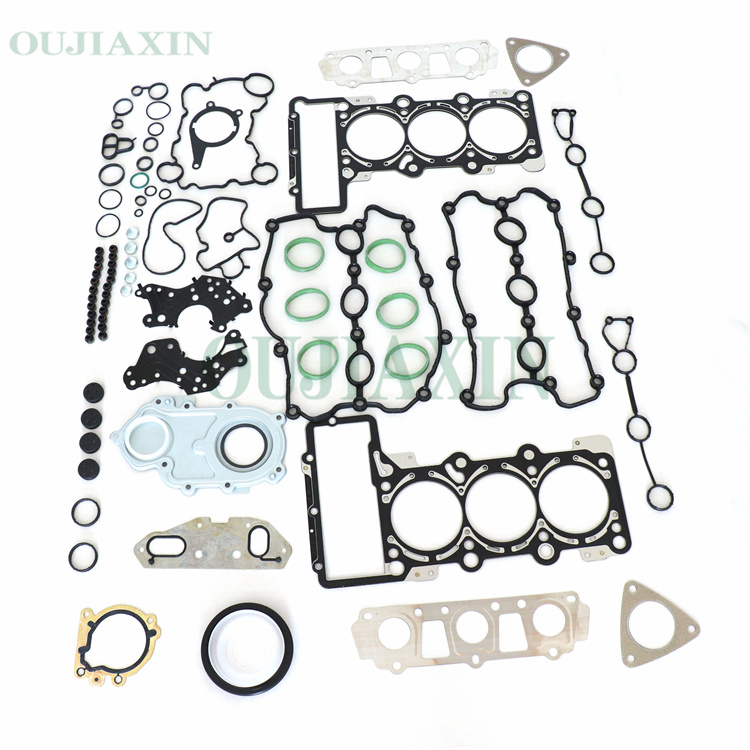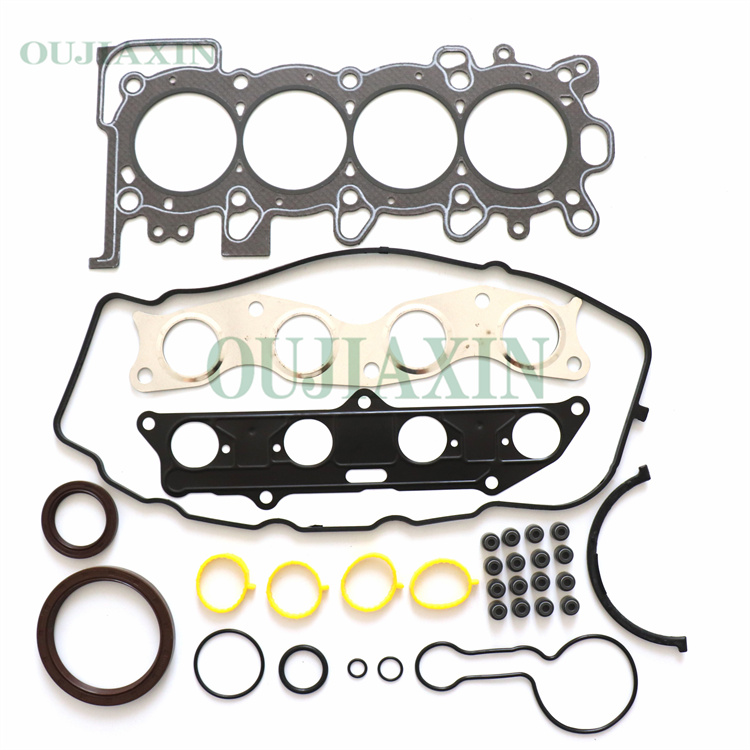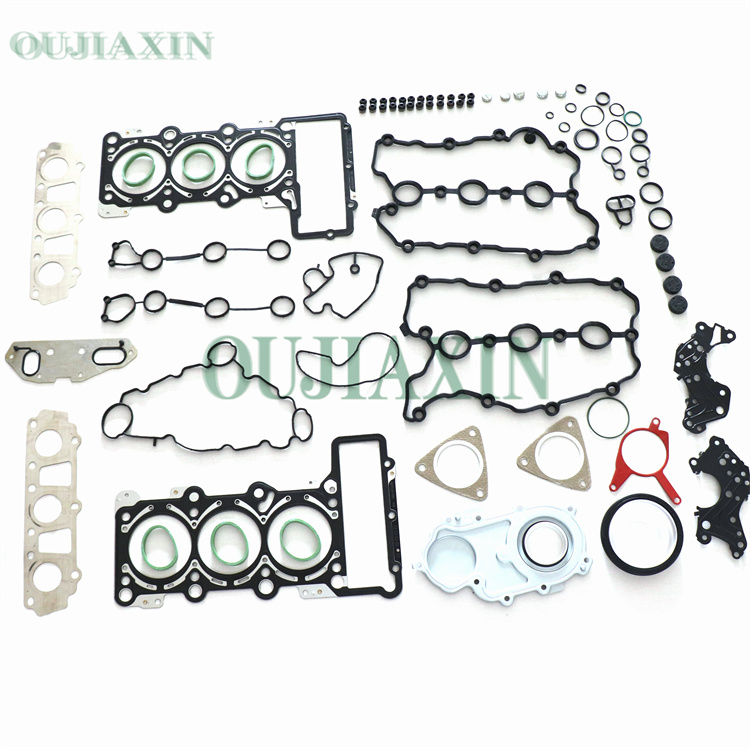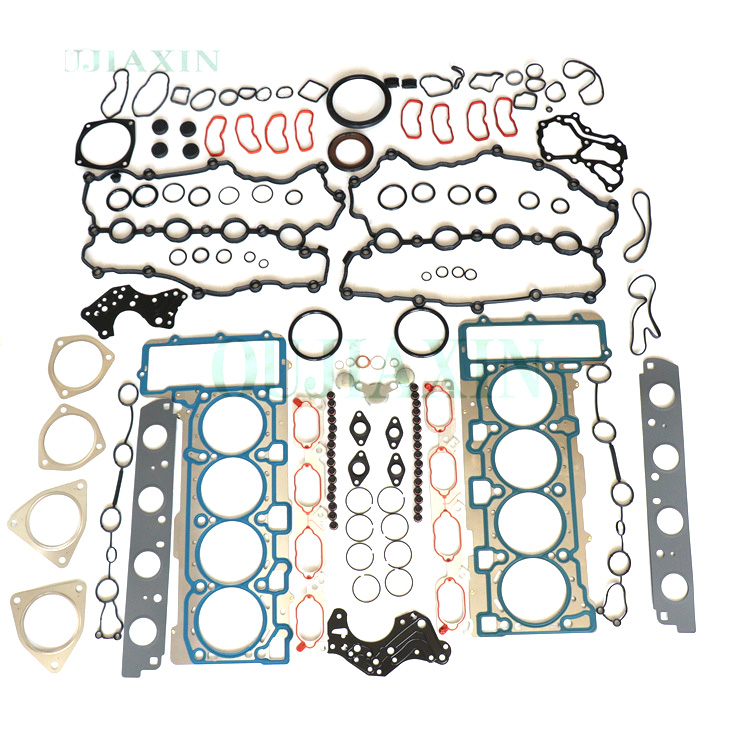


The engine is the core power source of every Lincoln vehicle, and the Cylinder Head is one of the most important structural and functional components within the engine. Positioned above the cylinder block, the cylinder head helps form the combustion chamber while managing intake air, exhaust gases, valve operation, cooling, and other critical engine functions. Because it operates under high temperatures, pressure, and continuous mechanical stress, its condition can directly affect engine performance and reliability.
For Lincoln vehicles, choosing the correct Cylinder Head requires careful attention to the specific engine application. Different engine families can use different cylinder head designs, casting structures, valve arrangements, combustion chamber configurations, and dimensions. Therefore, vehicle model alone is generally not enough to determine compatibility. Engine code, displacement, production year, casting number, OEM reference number, and other technical information should be checked before purchasing.
For automotive repair shops, engine rebuilders, wholesalers, distributors, and international aftermarket buyers, a reliable source of Lincoln engine components can make replacement projects more efficient. Hebei Oujia Import And Export Trade Co., Ltd. specializes in professional engine parts and provides products including engine assemblies, cylinder heads, cylinder blocks, crankshafts, pistons, piston rings, valves, timing kits, gasket sets, connecting rods, bearings, camshafts, water pumps, and oil pumps. Oujia focuses on gasoline and diesel engine parts for passenger vehicles and supports international aftermarket customers.

A Cylinder Head is mounted on top of the engine block and sealed with a head gasket. Together, the cylinder head, gasket, cylinder block, and pistons form the sealed combustion environment required for the engine to generate power.
One of the primary functions of the cylinder head is to control the movement of gases into and out of the combustion chamber. Intake ports allow fresh air or an air-fuel mixture to enter the cylinders, while exhaust ports provide a pathway for combustion gases to leave the engine. The design of these ports can have an important influence on airflow and combustion efficiency.
The cylinder head also houses or supports a number of precision engine components. Depending on the specific Lincoln engine design, these can include intake and exhaust valves, valve guides, valve seats, valve springs, camshaft components, spark plugs, fuel injectors, and other related components.
The major functions of a Lincoln Cylinder Head can be summarized as follows:
The cylinder head forms the upper portion of the combustion chamber. When the piston moves upward during the compression stroke, the cylinder head helps create the enclosed space where the air-fuel mixture can be compressed and ignited.
Intake and exhaust ports are integrated into the cylinder head. Their design determines how efficiently air enters the engine and combustion gases are discharged.
The intake and exhaust valves must open and close at precisely controlled intervals. Depending on the engine design, the cylinder head provides the mounting structure and passages necessary for the valve train.
Modern engines generate substantial heat during combustion. Cooling passages inside the cylinder head allow engine coolant to circulate around high-temperature areas and transfer heat away from the combustion chamber.
Oil passages within or around the cylinder head allow engine oil to reach components requiring lubrication. Proper lubrication is particularly important for camshaft and valve-train components.
The mating surface between the cylinder head and engine block must remain sufficiently flat and stable. Together with the head gasket and appropriate fastening, this helps contain combustion pressure and separate oil and coolant passages.
Lincoln vehicles can use different engine configurations and specifications across generations and markets. As a result, cylinder head design can vary considerably. Oujia's current engine-parts information specifically references Ford and Lincoln applications, including cylinder head bolts for a 2.0T application, while its wider catalog contains cylinder head assemblies for numerous engine families.
This variation makes accurate application identification essential. A Cylinder Head designed for one 2.0L engine, for example, should not automatically be considered interchangeable with another 2.0L engine simply because the displacement is the same.
The cylinder head also works closely with the crankshaft, connecting rods, pistons, camshaft, valves, timing system, head gasket, and cooling system. A problem with one of these components can influence the operation of the complete engine.
For professional engine rebuilding, the cylinder head therefore needs to be considered as part of an integrated engine system rather than as an isolated metal casting.
Because the Cylinder Head operates under repeated thermal cycles and combustion pressure, it can experience different types of wear or damage over the service life of an engine.
One common cause of cylinder head problems is overheating. When engine temperatures become excessively high, the cylinder head may experience thermal distortion. If the sealing surface becomes deformed, the head gasket may no longer maintain the required seal between the cylinder head and engine block.
Repeated overheating can therefore lead to coolant leakage, compression problems, oil contamination, or other engine symptoms. Oujia's Ford Lincoln cylinder-head information also identifies overheating and cylinder head warping as important issues to investigate when diagnosing related engine problems.
Cylinder Head Warping
A warped cylinder head may prevent the head gasket from sealing correctly. Depending on the severity, combustion gases may escape while coolant or engine oil may move into areas where they should not be.
When a cylinder head is removed during an engine repair, professional technicians should check the flatness of the mating surface according to the specifications for the particular engine.
Cracks and Structural Damage
Cracks can occur around combustion chambers, valve seats, coolant passages, or other high-stress areas. A crack may result in coolant loss, compression loss, abnormal combustion, or contamination between engine fluids.
The exact symptoms depend on the location and severity of the damage. Therefore, a professional inspection should be completed before deciding whether the existing cylinder head can be repaired or needs replacement.
Valve and Valve Seat Wear
The cylinder head contains important valve-related components. Continuous operation can result in wear to valve seats, valve guides, valves, and related components.
Poor valve sealing can reduce compression and affect combustion efficiency. In an engine rebuilding project, these components may need to be inspected, replaced, or machined according to the condition of the original head.
Carbon Deposits and Combustion-Related Problems
Depending on the engine and operating conditions, carbon deposits can accumulate around combustion and airflow areas. Excessive deposits may influence airflow and combustion characteristics.
Although carbon buildup does not necessarily mean the entire Cylinder Head must be replaced, it can be one of the conditions that prompts a more comprehensive cylinder-head inspection.
Head Gasket Failure
The cylinder head itself is only one part of the sealing system. The head gasket is positioned between the cylinder head and engine block and must maintain separation between combustion gases, engine oil, and coolant.
If the head gasket fails, technicians may need to remove and inspect the cylinder head. In cases where overheating has caused deformation or structural damage, replacing the head may become part of the repair solution.
For B2B buyers, these issues highlight the importance of selecting a suitable replacement component rather than focusing only on price. Before purchasing a Lincoln Cylinder Head, buyers should provide as much technical information as possible.
Important identification information may include:
Lincoln vehicle model
Production year
Engine displacement
Engine code
VIN when required
Original OEM number
Cylinder head casting number
Number of cylinders
Fuel type
Turbocharged or naturally aspirated configuration
Required cylinder head assembly configuration
The distinction between a bare cylinder head and a complete cylinder head assembly is also important. A bare head may require the buyer or machine shop to install valves, springs, camshafts, guides, seats, and other components. A complete assembly may be supplied with some or all of these components already installed, depending on the product specification.
For an international distributor, confirming exactly what is included in the quotation can help avoid misunderstandings and ensure the replacement part matches the intended repair process.
Selecting a suitable Cylinder Head for Lincoln vehicles requires a combination of technical matching, quality evaluation, and supplier communication. For international wholesalers and automotive parts distributors, these factors become even more important because incorrect applications can lead to additional shipping costs, installation delays, returns, and customer complaints.
The first consideration is application accuracy.
A supplier should be able to identify the product based on the specific engine rather than simply the vehicle brand. Lincoln vehicles may use different engine families across different models, model years, and markets. The same vehicle name may also have multiple engine configurations.
The second consideration is casting and machining quality.
The cylinder head is a precision component. Important areas include the sealing surface, combustion chamber, valve-seat area, valve-guide locations, camshaft bearing surfaces where applicable, threaded mounting points, coolant passages, and oil passages.
Poor machining accuracy can affect sealing, valve operation, lubrication, and overall engine performance. Therefore, quality inspection should cover dimensional accuracy, surface condition, casting quality, and other application-specific requirements.
The third consideration is material and thermal performance.
Cylinder heads must withstand repeated temperature changes and combustion pressure. Depending on the engine design, aluminum alloys or other suitable materials may be used. The selected material and manufacturing process should be appropriate for the intended engine application.
The fourth consideration is component configuration.
Before purchasing, buyers should determine whether they need:
A bare cylinder head
A cylinder head casting
A partially assembled cylinder head
A complete cylinder head assembly
A cylinder head together with related valves and components
This distinction is particularly important for repair shops and engine rebuilders because their installation procedures may differ.
The fifth consideration is related components.
A cylinder head replacement often involves other engine components. Depending on the repair, buyers may also need a head gasket, cylinder head bolts, intake valves, exhaust valves, valve springs, camshafts, timing components, or other engine parts.
Oujia's product portfolio covers a wide range of engine components, including cylinder heads, cylinder blocks, crankshafts, pistons, piston rings, valves, timing kits, gasket sets, connecting rods, bearings, camshafts, water pumps, and oil pumps. This broad range can help B2B customers source multiple components for an engine repair or rebuilding project.
Cylinder head bolts are another important consideration. Oujia lists AG9E-6065-A cylinder head bolts for Ford Lincoln 2.0T applications, illustrating how related fastening components can be matched to a specific engine application. Cylinder head bolts play an important role in maintaining the clamping force required between the cylinder head, gasket, and engine block.
For international customers, Hebei Oujia Import And Export Trade Co., Ltd. provides professional engine-parts sourcing and export services. Oujia states that it has been supplying professional engine parts for 17 years and focuses on gasoline and diesel engine components for passenger cars. Its product range includes complete engines and major internal engine components, while the company also provides OEM and self-brand services for overseas customers.
Oujia's products are exported to markets including Germany, Russia, Brazil, Japan, the United States, and the Middle East. The company works with factories in China and focuses on supplying engine components for the international aftermarket.
For wholesalers and distributors, this type of supply capability can be valuable when developing a product range for Lincoln and other passenger-car engine applications. Instead of sourcing only one individual component, customers can discuss broader engine-parts requirements according to their market and inventory needs.
Packaging is another important consideration. A Cylinder Head is a relatively large and precision-machined component, so appropriate protective packaging is necessary during domestic handling and international transportation. Buyers should confirm packaging requirements, labeling, quantity, and shipping arrangements before finalizing an order.
Ultimately, the right Lincoln Cylinder Head should be selected according to the exact engine application rather than simply the vehicle brand. Engine code, displacement, model year, casting information, OEM reference, component configuration, and technical specifications should all be considered.
The Cylinder Head plays a central role in combustion, airflow, cooling, lubrication, and valve operation. When it becomes warped, cracked, excessively worn, or otherwise damaged, the resulting problems can affect engine performance and reliability. A correct replacement can therefore be an important part of an engine repair or rebuilding project.
For automotive workshops, engine rebuilders, wholesalers, distributors, and international aftermarket buyers, Hebei Oujia Import And Export Trade Co., Ltd. provides a broad range of engine components and supports customers with application-specific sourcing. Its product portfolio includes cylinder heads and related engine components, while its international supply experience supports customers in different aftermarket markets.
When purchasing a Lincoln Cylinder Head, buyers should provide detailed engine information, confirm the exact product configuration, evaluate manufacturing and inspection requirements, and consider related components such as head gaskets and cylinder head bolts.
By combining accurate application matching with professional engine-parts sourcing, businesses can reduce compatibility risks and improve the efficiency of repair and rebuilding projects. For B2B customers looking for Lincoln engine components, a carefully matched Cylinder Head can provide an important foundation for restoring proper engine operation and supporting long-term aftermarket service.