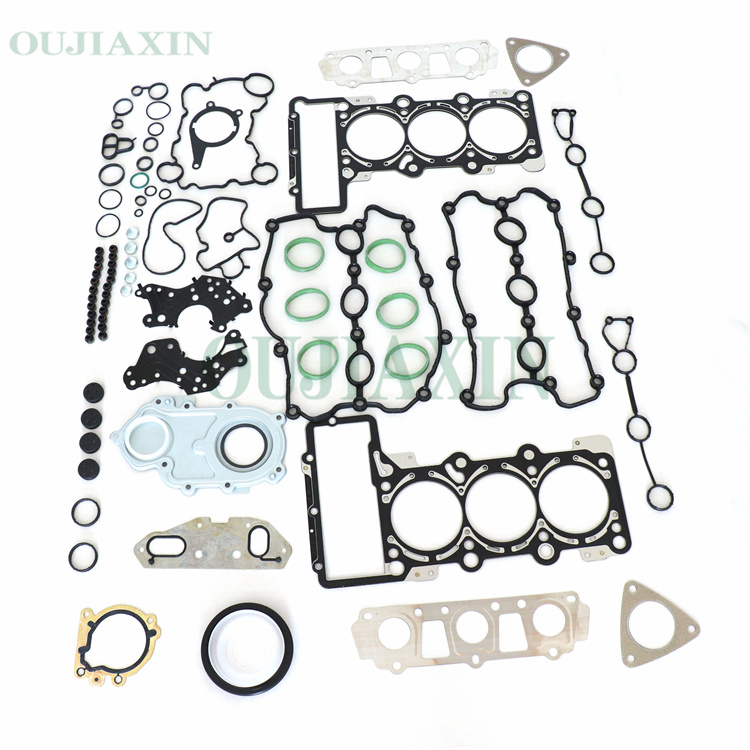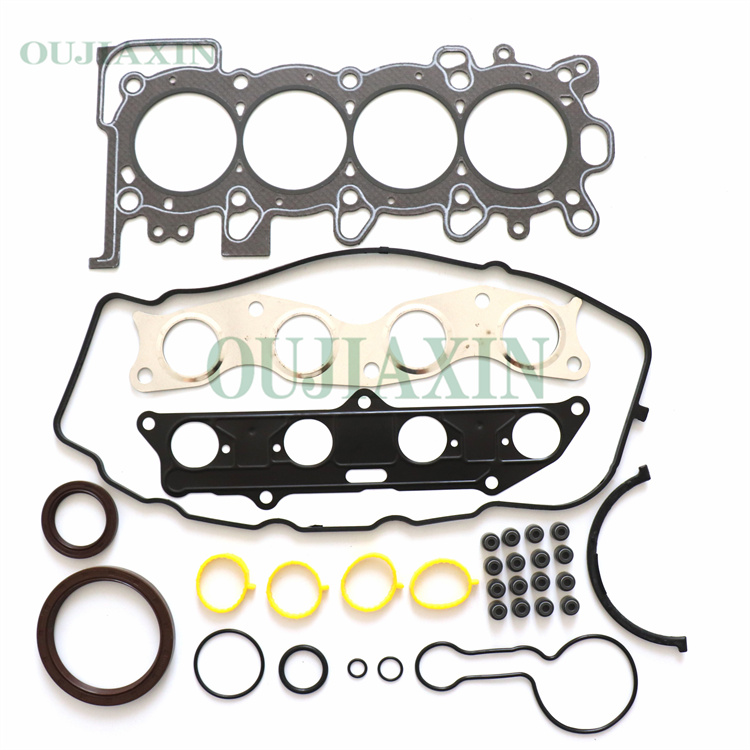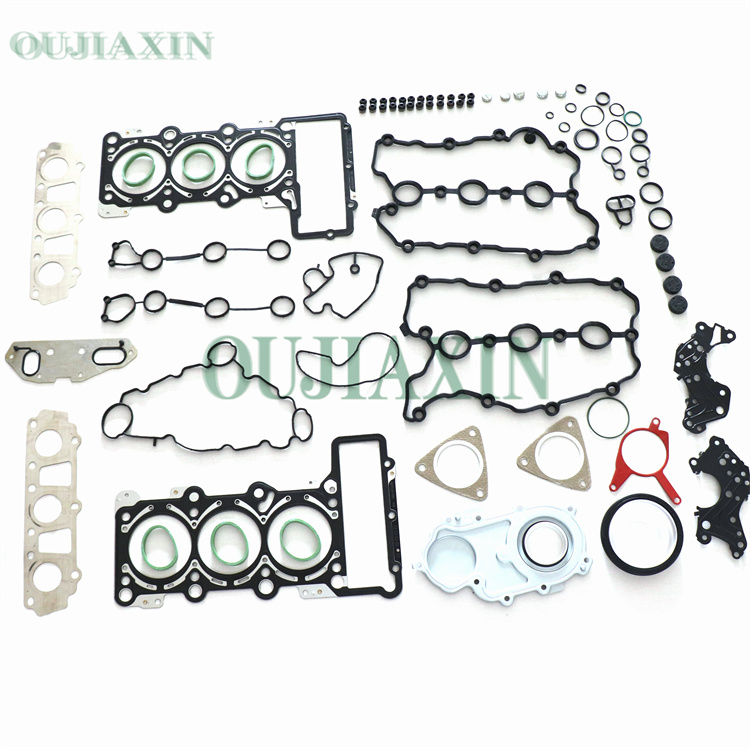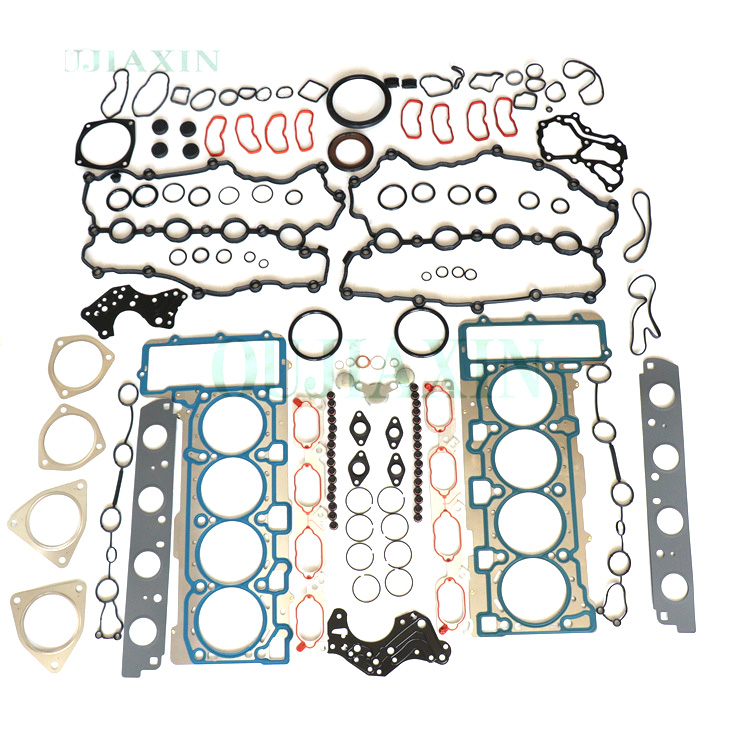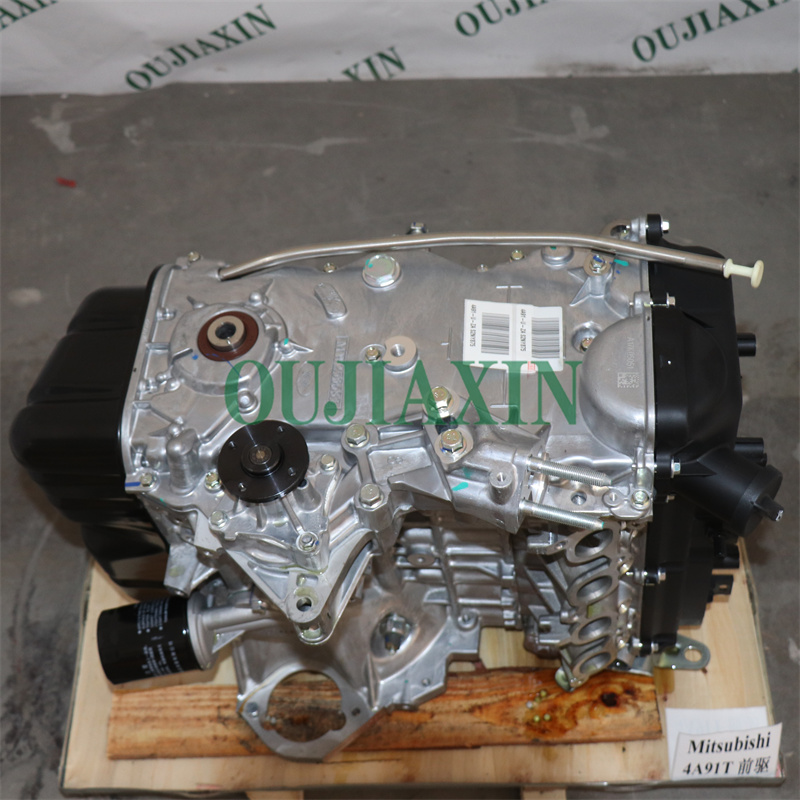
The engine is one of the most important systems in an automobile, providing the power required for acceleration, transportation, and everyday driving. For Audi vehicles, advanced engine technology combines precise engineering, efficient combustion, and sophisticated control systems to deliver a balance of performance, comfort, and fuel efficiency. When an engine suffers from serious internal damage or reaches the end of its service life, replacing individual components may not always be the most practical solution. In such situations, an Engine Assembly can provide an efficient option for restoring vehicle performance.
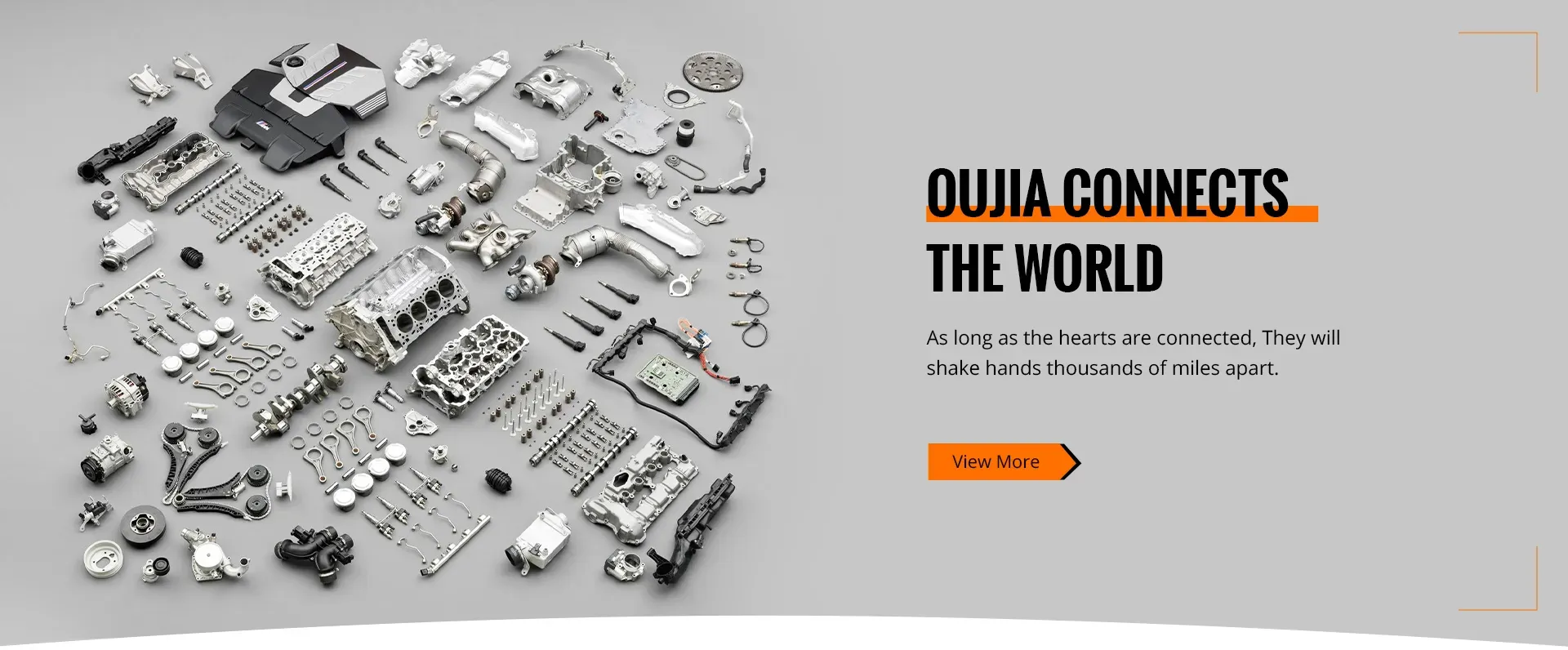
An Engine Assembly generally refers to a complete or semi-complete engine unit that contains the major components required to produce mechanical power. Depending on the specific product configuration, an engine assembly may include the engine block, cylinder head, crankshaft, pistons, connecting rods, camshafts, valves, timing components, oil system components, and other internal or external parts. The exact configuration varies according to the engine model and supplier specification.
For automotive repair companies, engine rebuilders, distributors, and vehicle owners, choosing the correct Audi Engine Assembly requires more than simply matching the vehicle brand. Engine code, displacement, production year, drivetrain configuration, original part number, and technical specifications should all be considered.
Hebei Oujia Import And Export Trade Co., Ltd. provides automotive engine-related products for international aftermarket customers. By focusing on application requirements and product compatibility, the company can support customers looking for suitable engine components and complete engine solutions for different vehicle applications.

An Audi Engine Assembly is made up of multiple precision-engineered components that work together as one power-generating system. Each component has a specific function, but the overall performance of the engine depends on how accurately these components interact.
The engine block forms the primary structural foundation of the engine. It contains the cylinders where pistons move up and down during the combustion cycle. The block also contains passages for engine oil and coolant, which are essential for lubrication and temperature management. The rigidity and dimensional accuracy of the block are important because the crankshaft and other rotating components must remain correctly positioned during operation.
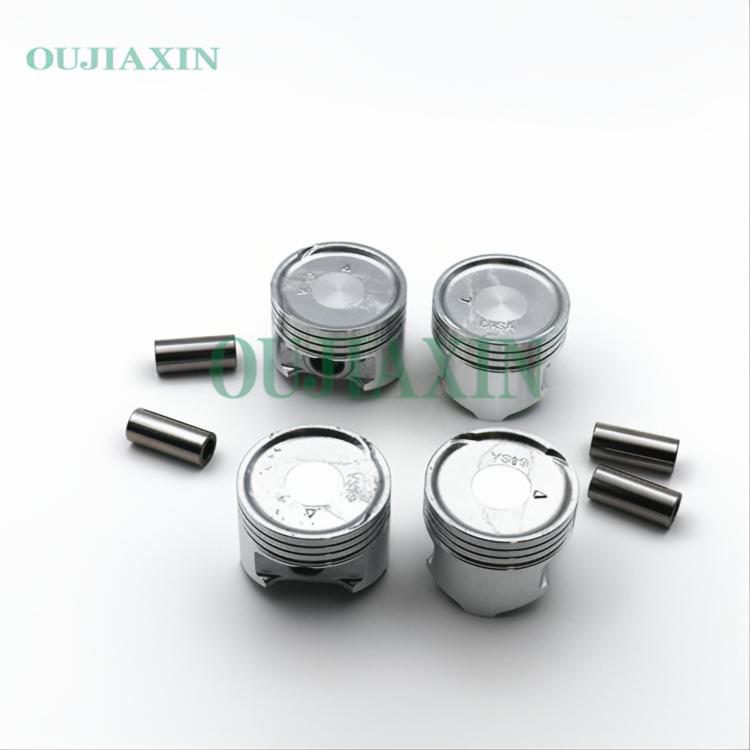
Inside the engine block, the crankshaft converts the pistons' reciprocating movement into rotational movement. Connecting rods link the pistons to the crankshaft and transfer combustion force from the pistons to the rotating assembly. Because these components operate under significant mechanical loads, their dimensions, material properties, and surface condition are important considerations when evaluating an Engine Assembly.
The cylinder head is mounted above the engine block and contains important components such as intake and exhaust valves, valve springs, camshafts, and other valve-train components, depending on the specific engine design. The cylinder head controls the flow of air and exhaust gases while helping create the combustion chamber.
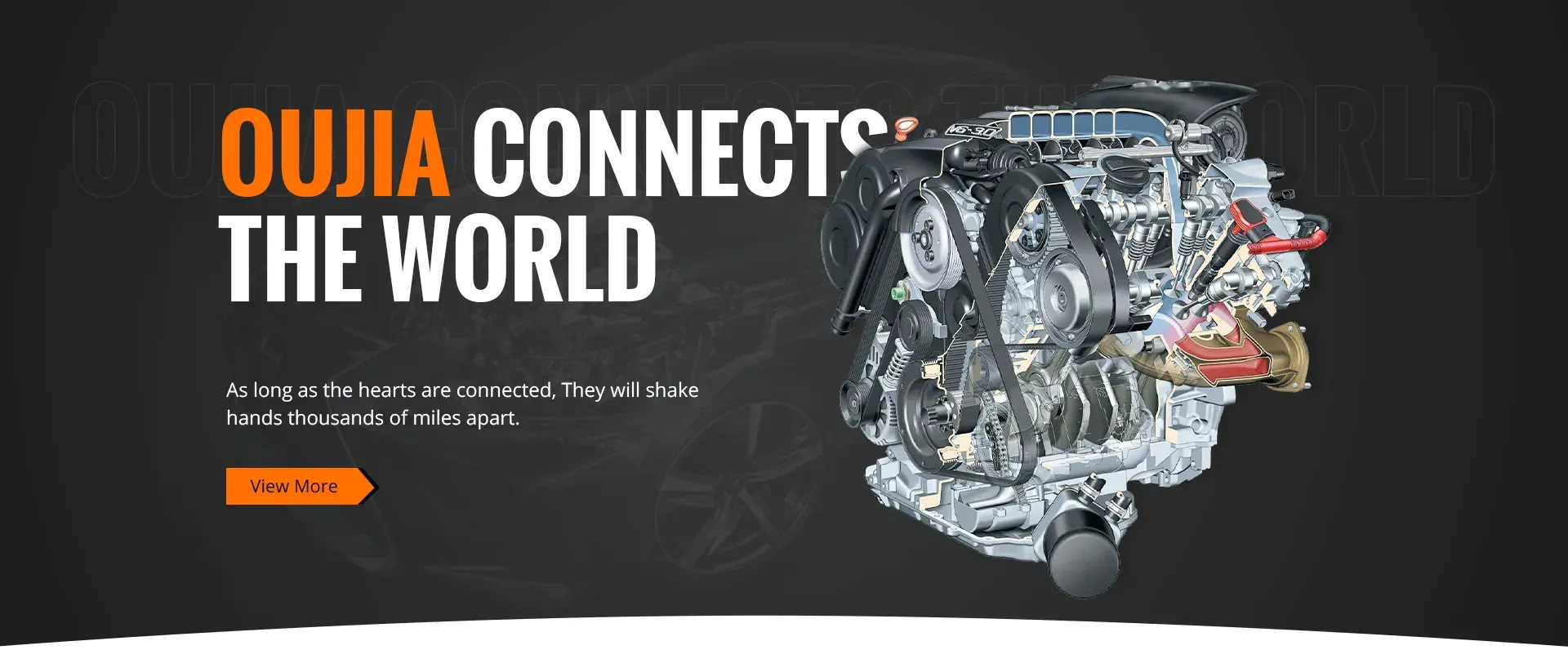
Modern Audi engines may use turbocharging or other advanced technologies to improve power output and efficiency. In turbocharged applications, the engine's operating environment can involve increased cylinder pressures and temperatures. This places additional demands on components such as pistons, connecting rods, bearings, cooling systems, and lubrication systems.
The timing system is another important part of an Engine Assembly. It ensures that the crankshaft and camshafts operate in the correct relationship. Depending on the specific Audi engine, timing systems may use chains or belts along with associated tensioners, guides, gears, or other components. Correct timing is essential because valve and piston movement must occur at precisely controlled intervals.
The lubrication system is responsible for delivering engine oil to critical moving parts. Bearings, crankshaft journals, camshaft surfaces, and other components depend on adequate lubrication to minimize friction and wear. The cooling system performs a complementary function by controlling engine temperature and preventing excessive heat buildup.
An Engine Assembly therefore represents much more than the engine block itself. It is a coordinated system containing many components that must operate together under demanding conditions. For this reason, when purchasing an engine assembly for an Audi vehicle, customers should confirm exactly which components are included in the supplied unit.
Even a well-maintained engine can eventually experience wear. The severity of the problem depends on mileage, operating conditions, maintenance history, lubrication quality, driving habits, and the specific engine design.
One common source of engine problems is insufficient lubrication. Engine oil creates a protective film between moving metal surfaces. If oil levels are too low, the oil becomes contaminated, or the lubrication system does not operate correctly, friction and heat can increase. Over time, this may cause damage to bearings, crankshaft journals, camshafts, and other internal components.
Cooling problems can also have serious consequences. An engine that repeatedly operates at excessive temperatures may experience accelerated wear or damage to gaskets, cylinder heads, pistons, and other components. Severe overheating can potentially cause deformation or other internal problems that make a simple component replacement impractical.
Piston and cylinder wear is another consideration. As an engine accumulates mileage, piston rings, cylinder walls, bearings, and other components may gradually wear. Symptoms may include increased oil consumption, reduced performance, abnormal engine noise, or changes in exhaust emissions.
Timing system problems can also affect engine operation. Incorrect timing may result in poor combustion, reduced performance, abnormal noises, or, depending on engine design, serious internal contact between valves and pistons. Proper diagnosis is therefore important before deciding whether individual components or the entire Engine Assembly should be replaced.
Turbocharged engines may also experience additional stress because of higher operating temperatures and pressures. Proper oil quality and regular maintenance are especially important for engines equipped with turbocharging systems.
When an engine experiences extensive internal damage, rebuilding it component by component can require significant labor and diagnostic time. The engine must be removed, disassembled, inspected, measured, machined where necessary, and reassembled. Every major component must then be checked for compatibility and condition.
Replacing the damaged unit with an appropriate Engine Assembly can sometimes simplify the repair process. Instead of rebuilding every internal component separately, a replacement assembly provides a larger group of engine components as a coordinated unit. This can potentially reduce assembly complexity and help workshops complete certain repair projects more efficiently.
However, buyers should understand that the term Engine Assembly does not always mean a completely dressed engine ready to install. Some products may be supplied as long blocks, while others may include additional components such as intake systems, exhaust components, fuel system parts, sensors, accessories, or turbochargers. The included components depend on the specific supplier and engine configuration.
For this reason, customers should always request a detailed product specification before purchasing.
Hebei Oujia Import And Export Trade Co., Ltd. can assist international automotive parts customers in evaluating engine-related products according to their application requirements. When discussing an Audi Engine Assembly, providing the vehicle model, engine code, displacement, production year, original engine information, and part number can make product matching more accurate.
For distributors, workshops, and aftermarket suppliers, this approach is particularly important. A visually similar engine does not necessarily guarantee compatibility. Differences in mounting points, electronic systems, cylinder head configuration, sensors, transmission interfaces, emissions equipment, and control systems can affect installation.
Selecting the correct Engine Assembly is a technical purchasing decision. Audi has produced many engine families and configurations over different generations, and engines with similar displacement may still have significant differences.
The first step is identifying the exact vehicle and engine application. Buyers should collect information such as the Audi model, model year, engine displacement, fuel type, engine code, transmission type, and drivetrain configuration. The engine code is particularly useful because it can help distinguish between different engine versions.
The original engine part number or manufacturer reference number can provide another valuable reference point. If the original engine is still installed in the vehicle, technicians may be able to obtain identification information from the engine or vehicle documentation.
Compatibility should also be evaluated from a physical and electronic perspective. An engine may have the correct displacement but still require different sensors, wiring, mounting components, intake or exhaust systems, or electronic control modules. Before ordering an Engine Assembly, customers should confirm which accessories and components will be transferred from the original engine.
The configuration of the supplied assembly should be clearly defined. Buyers should ask whether the product is supplied as a long block, complete engine, or another configuration. They should also confirm whether components such as the intake manifold, exhaust manifold, fuel system, turbocharger, alternator, starter, water pump, oil pump, sensors, and other accessories are included.
Product quality is equally important. A reliable Engine Assembly should be manufactured and assembled according to appropriate technical requirements, with attention to machining accuracy, component compatibility, sealing surfaces, lubrication passages, and overall assembly quality.
For international aftermarket customers, supplier communication is an important part of the purchasing process. Hebei Oujia Import And Export Trade Co., Ltd. works with automotive parts customers who require engine-related products for different applications. By communicating detailed vehicle and engine information before an order, customers can improve the likelihood of receiving a suitable product.
Installation should also be performed by qualified technicians. Before fitting a replacement Engine Assembly, the workshop should inspect related systems and determine why the original engine failed. Simply replacing the engine without identifying the original cause may lead to repeated problems.
For example, if the original engine failed because of inadequate lubrication, the oil system should be inspected before the replacement engine is started. If overheating caused the original failure, the cooling system should be checked carefully. If a turbocharger problem contributed to engine damage, the turbocharger and related oil supply system should also be evaluated.
After installation, technicians should verify fluid levels, electrical connections, cooling system operation, lubrication pressure, timing-related components, and other relevant systems. Initial startup and post-installation inspections should follow the applicable engine service procedures.
For automotive distributors and repair businesses, a properly matched Engine Assembly can provide an efficient solution for vehicles requiring major engine replacement. It can help reduce the amount of individual internal component sourcing and may simplify certain rebuilding projects.
At the same time, successful engine replacement depends on accurate product identification and professional installation. The best purchasing decision is not necessarily the cheapest engine available, but the engine that provides an appropriate combination of compatibility, quality, configuration, supplier support, and long-term value.
With the continued development of the automotive aftermarket, demand for reliable replacement engines and engine components remains strong. Audi vehicles equipped with modern engine technologies require precise and carefully matched replacement solutions. By understanding the structure of an Engine Assembly, evaluating the causes of engine failure, and confirming detailed compatibility information, buyers can make more informed purchasing decisions.
Hebei Oujia Import And Export Trade Co., Ltd. can be a practical sourcing partner for international customers looking for Audi engine-related products. Whether the requirement involves a replacement Engine Assembly, engine components, or other automotive parts, providing detailed application information allows the product selection process to be more accurate and efficient.
Ultimately, an Engine Assembly is the foundation of a vehicle's power system. Its quality and compatibility directly influence engine performance, reliability, and service life. For Audi aftermarket applications, careful specification matching, professional installation, and appropriate maintenance are essential for achieving dependable engine performance over the long term.